

zipper pouch specifications turn a design idea into an article that buyer and supplier can discuss consistently. A sample can show shape, colour and a convenient opening, yet still leave unanswered questions about finished dimensions, internal space, zipper components, lining, seams and packing. The purpose of a wholesale specification is to capture the decisions that matter to the intended use, so that the approved sample can support a clear production order rather than remain an attractive but ambiguous reference.
This guide focuses on sewn carrying, stationery, cosmetic and accessory pouches. It does not apply a food-packaging specification to these articles, and it does not assign a material composition or performance rating from appearance alone. Use the actual proposed components and agreed sample checks to confirm suitability. Product photographs illustrate visible construction choices; they are not substitutes for the written details needed for a particular purchase.
List representative contents and explain how they will be inserted and removed. A pouch for pens, a set of cosmetic containers and a small accessory kit can need different openings even when their outer dimensions look similar. Provide the dimensions or samples of important contents where available. If items have corners, projecting parts or surfaces that need protection, include that information in the brief.
Explain whether the pouch will normally be used independently or placed inside another bag or package. This affects practical design questions such as carrying features, external fittings and the available space. Avoid translating the intended use into an unsupported strength, protection or service-life claim. If a characteristic is important, define the relevant evaluation question and ask the supplier what evidence can be provided for the proposed article.
Show finished width, height and depth on a labelled drawing. Identify the opening, base, panels, seams and any gussets. State how the article is positioned when each dimension is measured. A flat measurement and the available internal space of a shaped pouch are not interchangeable, so make clear which dimension the buyer is asking the supplier to control.
Check the drawing against the intended contents during sampling. Seams, lining, zipper placement and the shape of the opening can affect access even when the nominal outer measurements appear suitable. If several sizes form a set, identify each separately rather than describing them only as small, medium and large. The final order should link every variant to its own dimensions and component requirements.
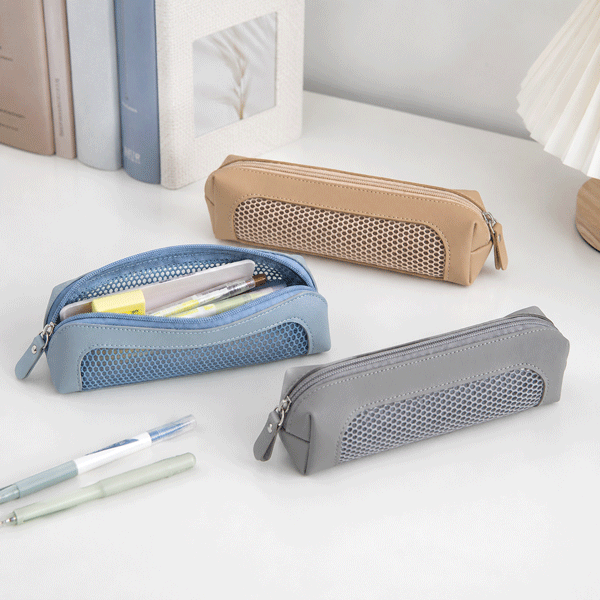
Specify the opening that the user needs to work with, not only the overall pouch width. A zipper may not extend across the full dimension, and end treatments or a curved design can affect access. Ask for the proposed zipper placement on the drawing and review it with a representative sample. This makes an important usability decision visible before the design is approved.
During review, insert and remove the intended contents in the normal orientation. Check whether the opening is convenient without forcing the article or distorting the sample. Record observations against the agreed design rather than assuming that a longer-looking zipper automatically solves every access question. Changes to the opening can also affect panel construction, appearance and other components, so review the revised article as a whole.
Request the proposed shell material reference and its relevant specification. Textile, coated, synthetic and transparent materials should not be grouped into one vague description. If composition, thickness, weight or finish matters to the order, identify the attribute and how it will be confirmed. A photograph showing a textured surface or a clear panel does not establish its exact material composition.
Where material selection remains open, ask for labelled swatches and representative finished samples. Compare them against the intended article and print requirements rather than choosing only from a screen image. If an alternative is offered, record what changes and which previous approvals remain applicable. A similar appearance does not automatically mean that the material handles, folds or presents printed artwork in the same way.
A transparent panel and a mesh panel offer different visual arrangements, and their role should be described in the brief. State which parts of the contents should remain visible and which surfaces are intended for artwork or labels. Show panel position and dimensions on the drawing so that the supplier is not expected to infer the design from a front-facing photograph.
Avoid assigning protection or material claims solely because a panel looks clear or has a mesh pattern. If the buyer has requirements concerning abrasion, cleaning or another characteristic, define them separately and obtain the relevant technical review. The sample should be assessed as a finished article, including the way the panel is joined to the rest of the pouch. That junction can be important to appearance and usability as well as to construction.
If the pouch needs a lining, identify its material, colour, arrangement and attachment. An internal photograph can help explain the design, but it should not replace the component description. Ask whether pockets, dividers or seam finishing are part of the lining arrangement or separate elements. This prevents an apparently minor internal feature from being omitted from the quotation or sample.
Review internal space with the actual proposed lining in place. A sample made without the final lining may help discuss the outer shape, but it does not necessarily answer every fit question for the production article. Mark such differences in the sample record. Approval should refer to the complete construction that will be supplied, with any remaining exceptions clearly identified rather than left as an informal understanding.
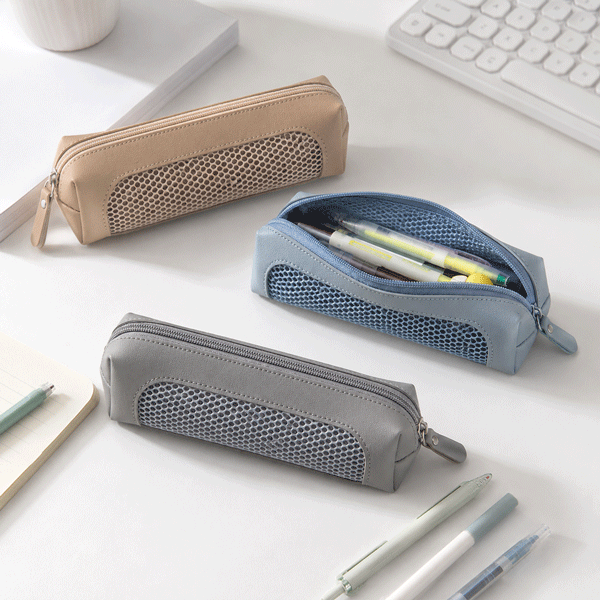
Discuss the zipper chain, tape, slider, puller and end arrangement as related but separate components. Use the supplier's references where available and show the position in the drawing. A general instruction to use a good zipper does not identify the selected component or define an acceptance requirement. Ask the supplier to explain the proposed assembly for the intended pouch and its use.
Confirm what a zipper length refers to in the discussion. Different reference points can cause confusion between a component dimension and the usable opening of the finished article. If a component is changed after approval, review the effect on the whole pouch. The selected assembly should be identifiable in the order record, so that a later production or reorder discussion does not depend on matching a photograph by appearance alone.
Show the desired puller shape and any decoration or branding. Explain whether there are practical requirements associated with access, gripping or the intended user. A decorative puller should not be treated as interchangeable with another design without review. The supplier should identify the proposed part and any choices that remain open before a representative sample is approved.
Also inspect how the zipper ends are finished and how they relate to the adjacent seams. Record visible construction details that matter to the buyer, using photographs and the physical sample together. This is a sample-review activity, not an instruction to alter a sewing or assembly process without the relevant production expertise. Ask the supplier to propose a suitable construction and review the result against the agreed brief.
Open and close the sample in the way the article is intended to be used. Include representative contents where they affect the shape or access. Observe whether lining, loose material or another feature interferes with the opening. Record what happens and under what conditions, rather than immediately assigning a cause or assuming that one observation predicts every production unit.
If the order needs a formal endurance, strength or other performance requirement, agree the method and acceptance criteria with appropriate technical input. This guide does not provide an invented cycle count or a universal zipper rating. A brief manual demonstration can answer a practical design question, while a defined test answers a different question. Keep those evidence types separate when approving the article and writing its product description.
Identify which seams and visible edges matter to the appearance and function of the pouch. A drawing or reference sample can help communicate the expected arrangement. Ask the supplier to describe the construction being proposed, especially where panels, lining and zipper components meet. Avoid assuming that a single outer photograph reveals all the internal finishing included in the article.
When reviewing a sample, describe observations in specific terms. Note location and consistency rather than using only broad labels such as poor workmanship. If a change is requested, explain the desired result and let the supplier review the appropriate production approach. The approved record should show the construction that was accepted, without turning a general purchasing checklist into unsupported instructions for machinery or assembly settings.
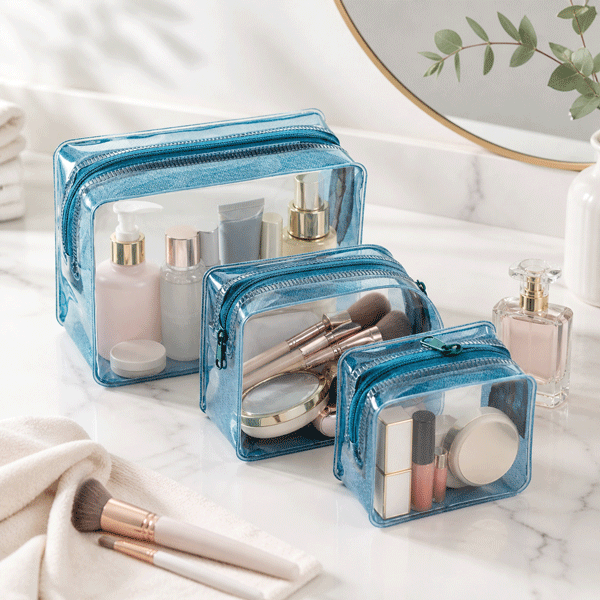
A soft, foldable pouch and a shaped organizer can serve different purposes. Explain the desired form when empty and when filled. Identify any padding, reinforcement or other structural component in the proposal, and ask how it affects the internal space and packing arrangement. These decisions should appear in the component list rather than being inferred from the way a photograph has been styled.
Review a representative finished sample for the intended use. Display props can help illustrate contents, but they do not demonstrate a verified protective function. If protection is important, define the requirement and obtain suitable evidence for the final construction. Keep any claim proportionate to what has actually been checked, and avoid carrying a performance statement from a different pouch into the description of the proposed article.
Show each internal feature on the drawing with its position, opening and finished dimensions. State what the feature must hold and check access with the intended contents. A divider can change how the main compartment is used, so it should be reviewed as part of the entire article rather than approved separately from fit and opening requirements.
If the buyer is still choosing an internal arrangement, distinguish the options clearly in the quotation and sample plan. Record which version is selected and which are no longer part of the order. This avoids a discussion of several alternatives being interpreted as approval to combine them. The final specification should be a coherent description of one article or a clearly identified set of variants.
Agree what controls shell, lining, zipper tape, puller and label colour. A digital image is useful for discussion, but the buyer and supplier should identify the final reference used for approval. Components made from different materials may need to be reviewed together because their visual relationship is part of the finished design. Keep their references in the same approval package.
Discuss how acceptable variation will be assessed before the production order is released. Do not promise an exact result from a screen photograph alone. If the product is part of a coordinated set, review the variants together under the agreed conditions. Record the decision against the selected components and sample so that a later change does not unintentionally inherit an approval that concerned a different combination.
Supply the approved artwork and show dimensions, orientation and placement on the pouch drawing. Mark the front, back and other printed areas clearly. A logo file by itself does not explain where it should sit relative to seams, the zipper or a transparent window. These relationships can matter to the finished appearance, particularly on a compact article with limited printable space.
Ask the supplier to review the proposed decoration method against the selected material and artwork. Where a printed sample is part of approval, inspect it on the intended component rather than assuming that a proof on another surface is equivalent. The buyer should check spelling and brand permissions. A design shown in a catalogue or showroom does not establish permission for another buyer to reproduce that brand or artwork.

Create a list covering shell, lining, panels, zipper assembly, puller, labels, pockets, dividers and other included parts. Link each item to its selected reference where possible. The sample communicates the finished design, while the list identifies the components intended to produce it. These documents complement each other and reduce dependence on visual interpretation alone.
Identify unresolved items explicitly. If the supplier is awaiting a fabric choice or artwork revision, mark that point as pending rather than assuming a default. Ask for alternatives to be identified as alternatives. This makes it easier to compare quotations and prevents a commercial decision from being based on different assumptions about the article. Once choices are settled, issue an updated consolidated list before the order moves forward.
Agree what a sample is intended to confirm. An early sewn sample may help review dimensions and construction while using substitute components. A later sample may include the selected material, zipper and artwork. The names used for sample stages can vary, so state the actual contents and approval purpose of each stage instead of relying on terminology alone.
List every difference between a reviewed sample and the proposed production article. Decide how those differences will be closed, whether by another sample, a component reference or another agreed form of evidence. A sample that is useful for discussing shape should not silently become final approval of a print or material that it does not contain. Clear stage definitions help the buyer understand what remains to be decided.
Collect comments from the people responsible for use, artwork, quality and purchasing. Give each observation a reference and describe the required result. If a comment changes the design, identify which drawing, component or artwork reference must change. This creates a useful record for the supplier without expecting production staff to reconcile separate messages from several reviewers.
Ask the supplier to respond against the same comment list, then issue one consolidated revision. Check that a proposed correction does not create another problem with fit, opening or appearance. When approval is given, identify the final sample and its exceptions, if any. A general message of satisfaction is less useful than a clear statement of which version has been accepted and which conditions still need to be met.
Identify the characteristics that will be checked during production and before shipment. These may include dimensions, component identity, opening operation, artwork, appearance, variant quantities and packing. Agree who performs the review and what evidence will be recorded. If formal sampling or testing is required, choose a suitable method for the order rather than assuming that a general quality-check statement defines coverage.
Make the approved references available to the inspection team. A measurement sheet alone may not communicate colour or surface appearance, while a sample alone may not identify every component. The team may need both, together with artwork and packing instructions. Agree how discrepancies will be communicated and resolved so that a concern can be reviewed against the actual specification instead of an incomplete image or recollection.

Explain how the pouches will be received, stored and distributed after delivery. A set of sizes, several colours or different artwork versions needs clear identification. Specify the proposed grouping, labels and carton marks, and ask the supplier to confirm how these relate to the order's variant list. This reduces avoidable sorting work when the shipment reaches the buyer.
Review folding and packing with the intended material and decoration. The buyer and supplier should decide what arrangement suits the article rather than using a generic instruction that leaves important presentation details open. Any destination-specific or customer-specific requirement needs its own review for the actual order. A standard packing description should not be treated as proof that every market or retailer requirement has been satisfied.
Send each supplier the same drawing revision, component list, artwork, quantities and packing requirements. Ask for exclusions and proposed alternatives to be stated clearly. A quote for an unlined pouch with a different zipper assembly is not directly equivalent to one that includes the approved lining, pockets and decoration, even when both use the same general product name.
Separate sample arrangements from production supply and identify which decisions control the proposed schedule. Prices, minimum quantities and timing must be confirmed in the actual proposal. This guide does not assign a standard figure to a Hansun pouch. The purchasing team can compare proposals more effectively when it understands the product assumptions behind each offer and which unresolved choice might change the cost or schedule.
Keep the final drawing, component references, artwork, sample approval, inspection criteria and packing instructions together. A repeat order should identify the approved article rather than request only the same pouch as before. If a selected part is no longer available, ask for the proposed substitute to be identified and reviewed before it is treated as equivalent.
Consider whether a substitution affects fit, opening operation, appearance or another important requirement. The buyer and supplier should agree what evidence is needed to approve the change. Maintaining a clear version history helps preserve continuity when contacts or departments change. It also makes the approved sample more useful because its relationship to the current production specification remains visible rather than depending on informal memory.
A pouch collection may share colours, artwork or a zipper style without sharing every component dimension. Build a variant table that identifies which details remain common and which change for each article. Check the proposed set physically when items are intended to nest, travel or display together. Approval of the largest pouch should not automatically stand in for reviewing access and proportions on the smallest version.
If the buyer chooses to approve a representative variant for some characteristics, record that decision and its scope. State which sizes still need separate fit, print-placement or packing checks. This makes a practical sampling approach explicit without implying that unreviewed differences have disappeared. The supplier can then prepare the correct references for production, and the buyer can interpret later inspection records against the actual variant requirements.
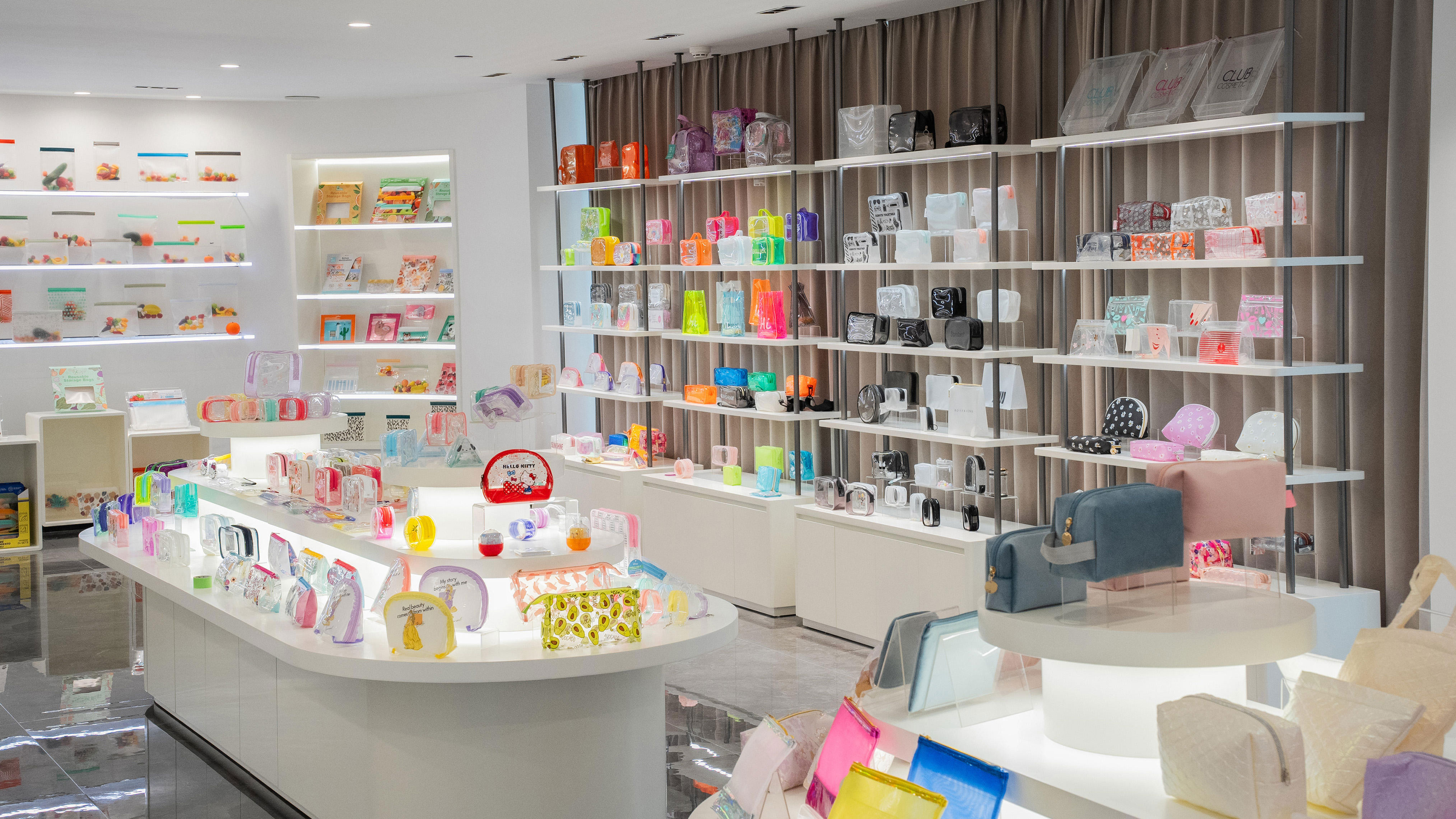
A front photograph can start the discussion, but it usually leaves internal construction, exact dimensions, materials and component references unresolved. Convert the visible design into a drawing and component list, then review a representative sample. Identify any feature that cannot be confirmed from the image instead of allowing it to become an assumed part of the order.
The component dimension and the usable opening need clear reference points in the project documents. Ask the supplier to identify the proposed zipper assembly and show its placement on the drawing. Review access with representative contents in a finished sample. This is more reliable than assuming that a catalogue zipper description alone defines how the user will insert and remove items.
No. Appearance does not establish material composition or a protective rating. Specify any important protection, cleaning or other performance requirement separately and agree how it will be supported for the actual article. Product images can explain the visible design, but a claim should remain limited to the evidence available for the selected materials and construction.
Provide the intended contents, a dimensioned drawing, material choices or questions, zipper and internal-feature requirements, artwork, quantities and packing needs. Add the sample and inspection decisions that remain open. Hansun can then review a concrete article and identify the proposed options. The final order should be based on the approved specification and sample, with commercial commitments confirmed separately in writing.
This website uses cookies to ensure you get the best experience on our website.

 Español
 Português
 日本語
 العربية



 Phone
Comment
(0)