

A zipper pouch can look suitable in a product photograph and still leave a buyer uncertain about its intended contents. Outside dimensions, the opening arrangement and the position of any internal features answer different questions. A compact shape does not prove that a particular set of items will fit or remain easy to access. Before requesting a custom sample, a buyer can describe the actual contents and the way the pouch will be used. That information gives the supplier a clearer starting point than a request for a similar pouch with a different logo and an assumed universal capacity.
This guide concerns the product brief and sample review, rather than a sewing tutorial or a promise about a manufacturer's capabilities. The supplier must confirm which construction, materials and layout can be offered for the particular enquiry. Any load, durability, protection or other performance requirement needs its own appropriate evidence. Photographs of zipper pouches can illustrate visible design features, but they do not establish every internal dimension or result. A useful purchasing process connects the buyer's contents list with an identified proposed layout, then records what an actual representative sample does and does not demonstrate.
List the items that the intended pouch should hold, using clear references instead of a broad category alone. A stationery set may contain items with different lengths and shapes, while a travel accessory set may contain several separate components. Describe the actual set being considered without assuming that every item in a category shares the same dimensions. If the contents are still being selected, identify them as provisional. The supplier can then explain what information is needed before proposing a sample. The first objective is to make the intended use understandable, not to force an incomplete list into a fixed outside measurement.
Record which items are essential and which are optional. A pouch designed around a core set can become difficult to define when every suggested addition is treated as mandatory. Ask the buyer's product team to decide which combination the sample should represent. If several combinations are genuinely required, give them separate scenario references. That allows the supplier and reviewers to discuss them consistently. Do not describe the largest imagined combination as a verified capacity merely because its items can be arranged in a photograph. The arrangement still needs to be reviewed in the actual proposed pouch and within the agreed scope.
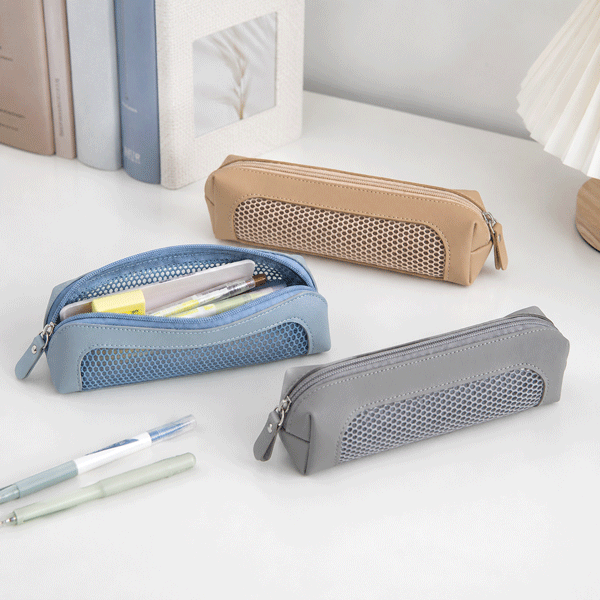
Identify the form in which the items will be packed. An item in its retail box may present a different fit question from the same item without that box. The brief should state which condition is intended. If a demonstration uses substitutes, document their relevant dimensions and limitations rather than presenting them as the final contents. Where the intended items are valuable, sensitive or otherwise unsuitable for a basic mock-up, the buyer can ask the responsible team to define an appropriate representative alternative. This keeps the fit discussion practical without treating an improvised substitute as proof of protection or performance.
Ask the supplier to define how the proposed pouch dimensions are measured. A dimension taken across a flat sample is not necessarily the same description as the space available around a packed set. Agree the reference points used in the enquiry and sample record. If a drawing is provided, mark those points clearly. Do not guess an internal measurement by subtracting an invented allowance from the outside size. The construction needs to be considered by the supplier for the actual design. A clear measurement convention is more useful than an apparently precise figure whose meaning differs between the buyer and the manufacturer.
Describe the shape of the contents as well as their overall dimensions. Several slim items arranged beside one another pose a different layout question from one bulky item, even if a simplified bounding rectangle appears similar. The buyer can provide a labelled arrangement photograph or diagram to explain the intended set. Keep it identified as a proposed arrangement until a representative sample has been reviewed. The supplier may suggest a different layout or construction, and that proposal needs its own confirmation. The image helps communicate the problem; it does not establish a guaranteed packing method or a finished product capacity on its own.
Avoid using volume as the only purchasing description when access and organization matter. A single volume figure may not explain whether a long item can enter through the opening or whether a smaller item is accessible without unpacking the whole set. If the buyer uses a volume requirement, preserve its definition and measurement basis, then add the relevant contents and access questions. Do not invent a volume from a product photograph. The appropriate supplier conversation is about the actual proposed shape and construction, with the buyer explaining which practical decisions the sample must help resolve before the order is finalized.
Describe where the opening is intended to be and how the user is expected to approach it. A top opening, an opening that continues around a corner and a broader opening arrangement can present different review questions. The supplier should confirm the available construction for the actual product. Avoid choosing a technical arrangement solely because it looks convenient in another brand's product image. Ask for an identified proposal and explain the intended use. The brief should make the access requirement clear while leaving unconfirmed manufacturing details as questions rather than presenting them as capabilities already agreed by the supplier.
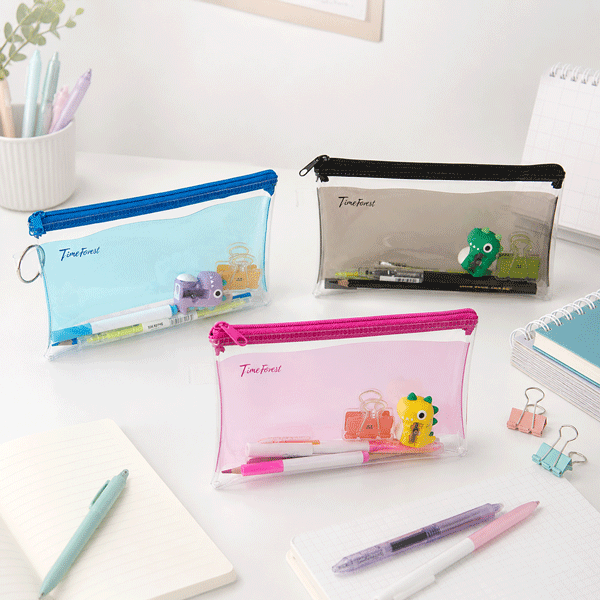
Measure and describe the opening through the agreed reference method. The zipper length, the visible opening and the usable access around the intended contents should not be treated as identical terms without explanation. Ask the supplier which dimensions its proposal specifies and what should be checked on the sample. The buyer can then review the actual items or representative mock-ups through that opening. Do not infer an access dimension from the overall pouch width alone. An identified sample provides a more direct basis for discussing how the proposed opening relates to the actual contents and the buyer's expectations.
The opening direction may matter when the pouch will be used in a defined setting. For example, the buyer might want a user to see or reach particular items when the pouch is placed on a desk. Describe that setting as a use scenario and ask reviewers to assess the relevant sample accordingly. Keep a subjective preference for convenience separate from any measured or formally evaluated requirement. A short observation explaining which item was difficult to locate is more useful than a general comment that the opening feels wrong. It gives the supplier a defined design question to consider for a revised proposal.
If internal pockets, divisions or retaining features are required, describe their purpose before specifying their final arrangement. A buyer may want to keep two categories of items separate, make a small component easier to locate or reserve an area for a named item. Those purposes help the supplier discuss a feasible layout. They do not establish that every requested feature can be supplied. Ask the supplier to confirm the proposed construction and any effect on the overall design. An external product photograph should not be used to claim that an unseen internal feature exists in the proposed pouch.
Give internal features distinct references on a proposed drawing where that helps communication. A note referring to the left pocket can become ambiguous when different reviewers hold or view the pouch in different orientations. Define a named face or view and carry that convention through the sample record. If a proposed feature is changed or removed, revise the drawing accordingly rather than leaving a superseded annotation in circulation. The aim is a shared description of the design under review. It is not necessary to create a complex engineering document for a simple product, but the references should remain understandable to both parties.
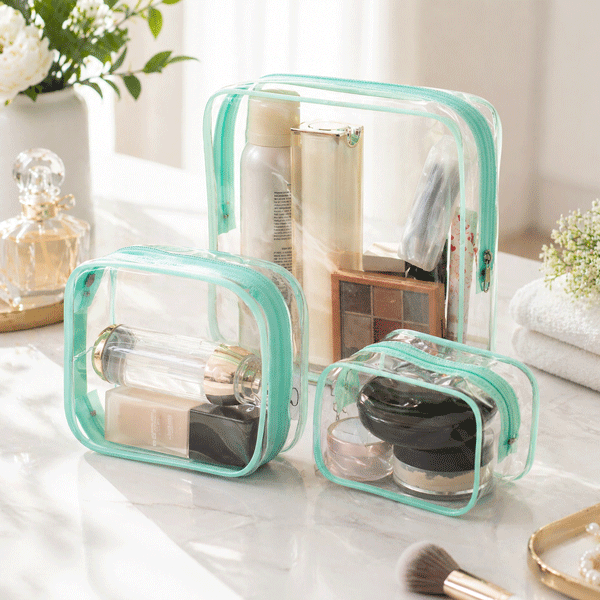
Consider how the organization relates to the complete contents set. A feature that appears useful with one item may need a different review when the full intended set is present. Ask reviewers to record which scenario they used and what they observed. Do not conclude that a pocket or retaining arrangement protects an item merely because the item fits inside it. If protection is a requirement, define the relevant evidence separately with the responsible parties. This distinction prevents a straightforward layout discussion from quietly becoming an unsupported claim about a product's resistance to impact, leakage, moisture or another condition not actually evaluated.
Transparent panels can make visible contents easier to discuss in a sample meeting, but their presence does not by itself settle the product brief. The buyer should still identify the proposed material and the requirements relevant to the actual use. Do not infer composition, thickness, chemical properties or environmental characteristics from clarity in a photograph. Ask the supplier for the relevant confirmed specification and supporting information where required. A visible product feature can be described accurately while the material question remains open. That is more useful than completing a specification with an attractive but unverified description borrowed from a different product listing.
Fabric or mesh details should also be described through what is known. A photograph may show a mesh-looking panel or a textured surface, while the actual composition and construction need confirmation. If the buyer wants to compare visibility, appearance or organization through a panel, identify that as the review question. Avoid claiming ventilation, protection or durability simply from the panel's look. The sample brief can request the relevant information without making an unsupported assertion. This helps the supplier understand the buyer's interest and allows the final product description to reflect the material and features that are actually confirmed for the order.
Review lining and internal surfaces where they affect the intended contents or presentation. State the buyer's requirement and ask which proposed material or construction addresses it. A lining visible in a demonstration sample should be tied to that sample's specification rather than assumed to be included in every version. If the buyer changes the outer material or layout, ask whether the internal proposal also changes. Keep the decision record current. The purchasing task is to understand the combination being ordered, not to assume that features from several attractive catalogue pictures can automatically be combined into one confirmed product.
Prepare a representative contents set with stable item references. Record what is genuine, what is substituted and which limitations apply. The supplier and buyer can then refer to the same scenario when discussing the sample. If the contents themselves change during the project, give the new set a revised reference. Do not change the items and then compare the result with an earlier sample as though only the pouch had changed. A controlled mock-up does not need to imitate a formal laboratory test. It needs to preserve enough context for reviewers to understand what was placed in the sample and what question was being considered.

Review the sequence of placing and retrieving items if that sequence matters to the intended product. A pouch that will be packed once and distributed as a kit presents a different conversation from one that a user will open repeatedly to find individual components. Describe the relevant scenario and ask for factual observations. If a reviewer rearranges the contents to achieve a preferred result, record the revised arrangement instead of presenting it as the original plan. This makes the feedback useful to the supplier and helps the buyer distinguish a design change from a change in the way the contents were organized during the review.
Record closure observations without overstating what they prove. Note which contents set and arrangement were used, whether the sample could be closed in the agreed review and any visible concern that needs discussion. Do not turn a single closure demonstration into a durability guarantee or assume a universal acceptable level of force. The responsible product and technical teams should define any performance evaluation required for the actual order. The layout review can still provide valuable information by identifying an unclear opening, a misplaced internal feature or an intended contents combination that the proposed sample has not yet demonstrated.
The position of a printed panel, label or decorative feature may need to be considered alongside the opening and internal layout. Ask the design team which face the user should see when using the pouch in the intended orientation. The supplier can then clarify the proposed construction and artwork requirements. Do not approve a visual concept while assuming that every layout detail in the rendering has already been confirmed. A rendering can show design intent, but the order needs identifiable product and artwork references that correspond to the actual sample and the agreed scope of the manufacturer's proposal.
If the pouch will be displayed or packed with other items, describe that context separately from the usable contents set. A retail presentation arrangement may place items differently from everyday use. Reviewers should know which question a photograph or mock-up is intended to answer. This avoids rejecting a useful internal layout because it does not resemble a promotional photograph, or approving a presentation sample as proof of everyday accessibility. The buyer can decide which scenarios matter and ask the supplier to confirm the relevant proposal. Each scenario then receives an appropriate review rather than being merged into one vague expectation of convenience.

Colour choices can help distinguish product versions, but they should remain connected to the approved design references. A blue pouch shown in one sample set is not automatically equivalent to a differently coloured pouch with an unconfirmed material or construction. If colour is the only intended change, state that intention and ask the supplier to confirm the proposal. Keep the approved contents and opening scenario available for any review affected by the change. This prevents a simple visual variation from concealing an unintended product difference, while avoiding a claim that all colours or materials perform identically without appropriate evidence.
A useful review record identifies the sample, the contents scenario, the observed feature and the requested action. For example, a note can say that the proposed opening made one named item difficult to retrieve under the reviewed arrangement. That is more actionable than a general rejection for poor usability. Preserve the observation without assigning a cause that has not been investigated. The supplier can then explain the design proposal, suggest a revision or ask for more information. A factual record helps both parties understand the difference between an unmet requirement, an optional preference and a question that still lacks enough evidence.
When requesting a revision, state which approved details should remain unchanged. A larger opening proposal should not silently authorize a different material, altered outside dimensions or a new internal layout unless those changes are also being reviewed. Ask the supplier to identify the effects of its proposed revision. The buyer can then decide which checks need to be repeated on the revised sample. This keeps the project moving without allowing a chain of informal changes to obscure the final specification. It also gives the quotation and production confirmation a clearer reference than a collection of partly superseded sample photographs.
Keep a record of rejected proposals where they explain an important decision. The purpose is not to retain every informal comment indefinitely, but to prevent a previously resolved design question from being reopened without context. A short note explaining why an opening or pocket arrangement was not chosen can help a new reviewer understand the current layout. Do not treat a rejected prototype as evidence that the manufacturer cannot make other suitable products. Its relevance is limited to the proposal and scenario reviewed. Clear records support the actual purchasing decision without extending one sample observation into a claim about the supplier's entire capability.
Consider an illustrative enquiry for a pouch intended to organize a named stationery set. The buyer lists the intended items and identifies the arrangement that the sample should represent. It asks the supplier to propose outside dimensions, an opening arrangement and any internal features within a clearly stated scope. None of those details is called approved merely because a catalogue image looks similar. The sample review then records whether the intended items can be placed and retrieved under the agreed scenario. This example shows how to communicate the question without inventing a measured capacity or promising a result before the sample exists.
Now suppose the buyer adds another item after the first layout review. Give the revised contents set a new reference and ask whether the existing pouch proposal still addresses it. If the supplier proposes a change, identify which design details need review again. Preserve the original sample record rather than rewriting it to imply that the additional item was always included. This makes the project history easier to follow. It also helps purchasing distinguish a changed requirement from a supplier error and supports a more informed discussion of any revised sample, commercial scope or timing that the new request may involve.
Can outside dimensions establish whether a particular kit will fit? They are part of the brief, but the measurement convention and proposed construction need to be clear. Identify the actual contents, their packing condition and the relevant access scenario. Ask the supplier which dimensions its proposal defines and what the sample should demonstrate. Do not infer a guaranteed internal space or capacity from a photograph or a simplified volume alone. A representative review connects the dimensions to the intended use and preserves the limitations of the evidence, giving the buyer a stronger basis for deciding whether the proposal meets the actual requirement.
Should every pouch have internal pockets? That depends on the intended contents and the buyer's confirmed design goals. A simple open interior may suit one scenario, while another may benefit from a proposed organization feature that needs review. Describe the purpose and ask the supplier what can be offered for the actual product. Do not request features solely because another brand's design includes them. The sample should help the buyer assess the relevant arrangement against a defined contents set. Any protection or performance requirement remains a separate question requiring appropriate confirmation rather than an assumption based on the existence of a pocket.
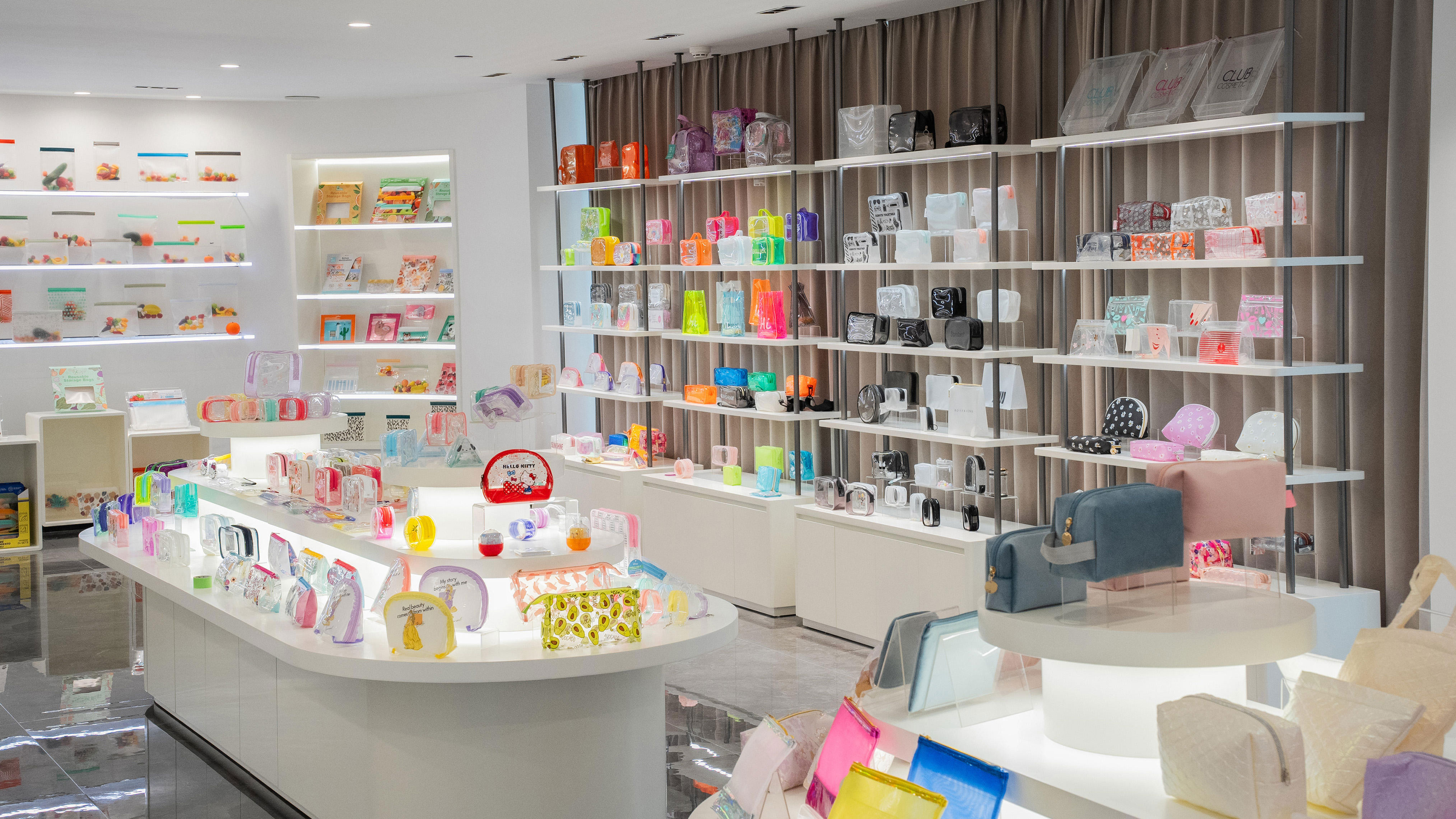
What should a buyer send Hansun for a zipper pouch enquiry? Send the intended contents list, measurement references, preferred access scenario, known material requirements and any controlled artwork or layout proposal. Identify provisional details and the questions that the first sample should answer. Ask which construction and evidence the supplier proposes for the specific enquiry. The product, workshop and showroom images shown here illustrate visible designs and business settings only. They do not establish universal capacity, protection, certification or an unconfirmed customization commitment. A clear contents and opening brief lets the buyer and supplier move toward an identified sample with a practical review purpose.
This website uses cookies to ensure you get the best experience on our website.

 Español
 Português
 日本語
 العربية



 Phone
Comment
(0)