

A transparent bag is often selected because the contents should remain visible, yet clear appearance is a surprisingly incomplete instruction for a supplier. Buyers may be concerned about the view through a panel, reflected light, folds, seams, coloured trim or how a label looks behind the material. Those are different questions and may need different sample views. This guide explains how to turn them into a practical appearance brief for PVC bag sourcing. It does not assign a universal clarity grade, identify a material from a photograph or promise that every transparent construction will look identical under every lighting condition and with every possible set of contents.
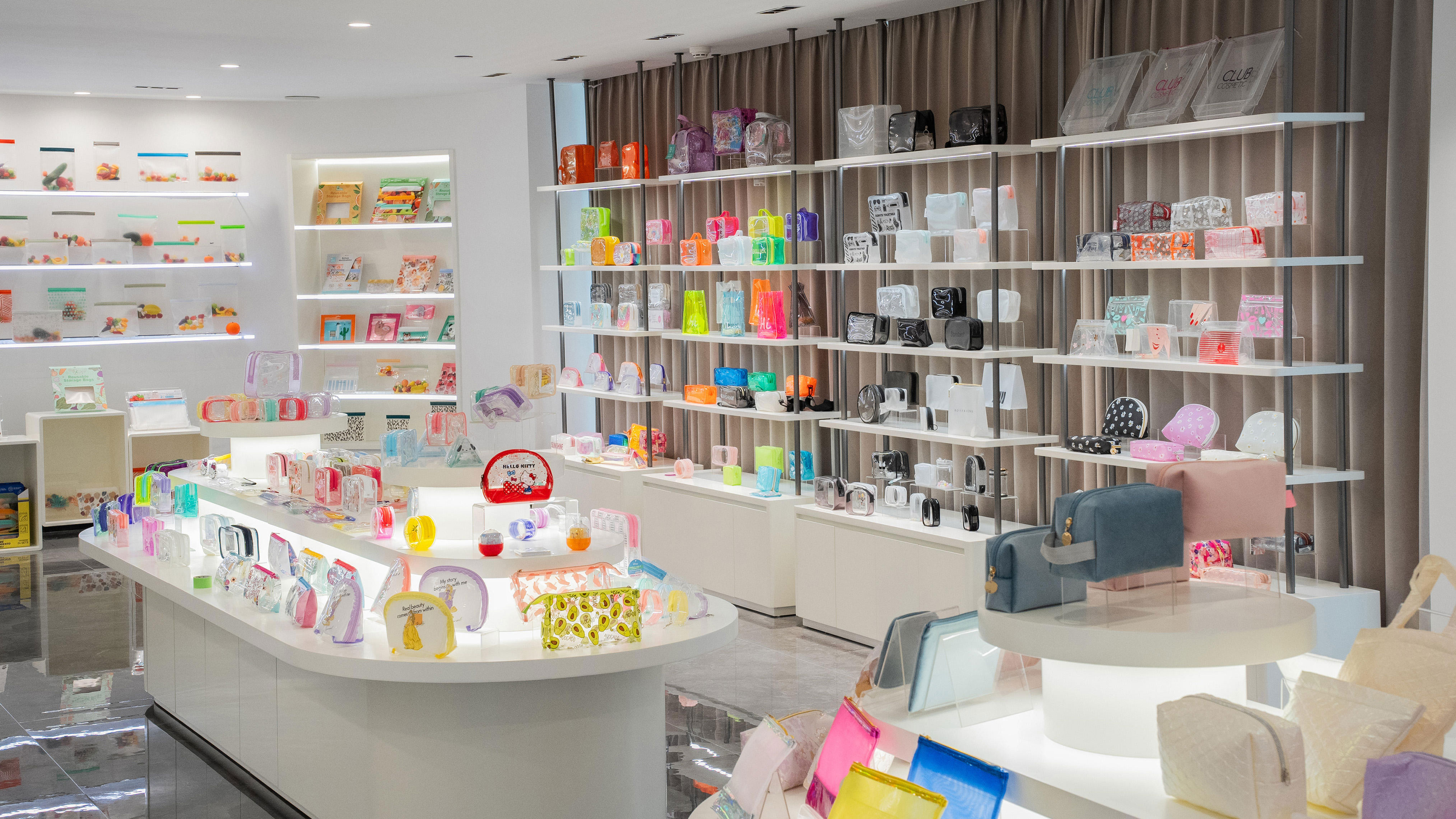
Hansun's product images show transparent totes, zipper pouches and cases with different trim and closure arrangements. They provide useful visible examples for discussing design, while the material identity and specification of an exact proposal still need confirmation from the supplier. A bag that looks clear in a catalogue photograph should not automatically be described as PVC, waterproof, food-safe or suitable for a regulated application. Keep those product-specific requirements separate from the appearance review and obtain appropriate supporting information where needed. The goal here is an identifiable finished sample and an agreed way to compare it, so purchasing and design can make a decision on the same evidence.
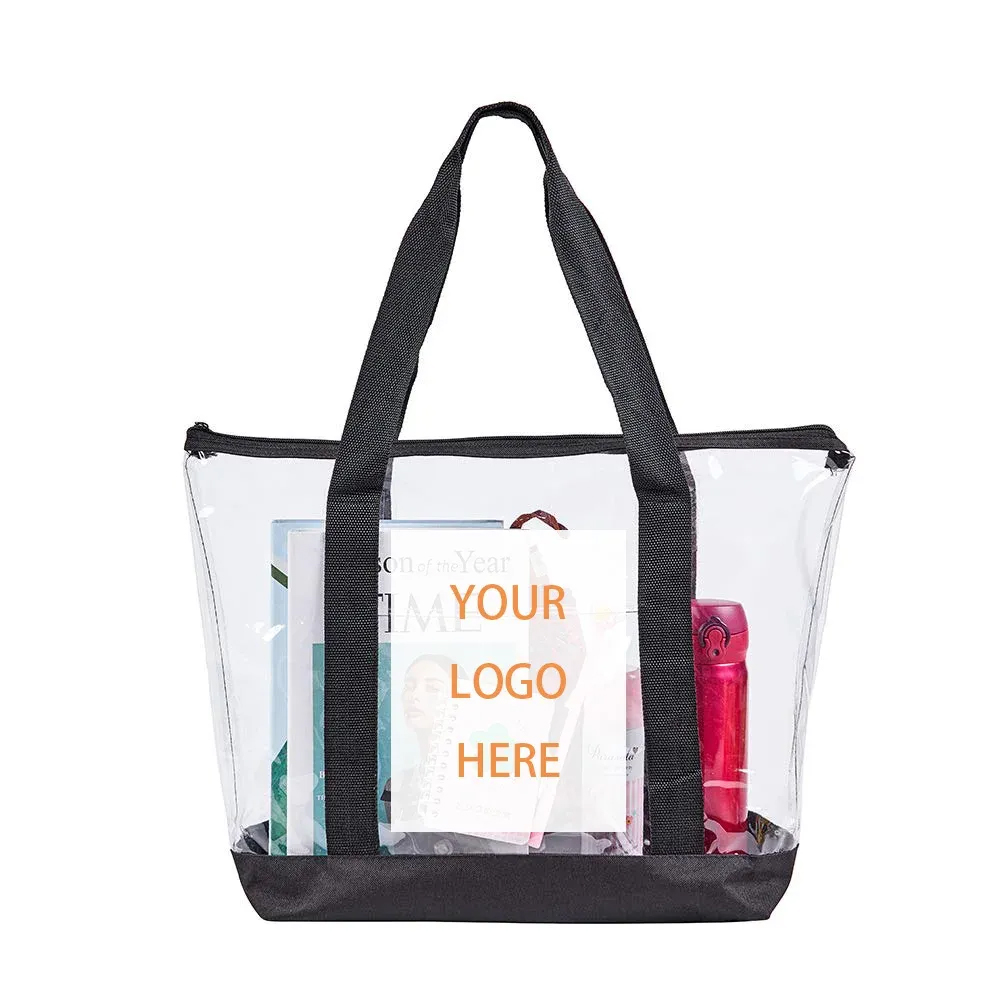
Start with the intended contents and the reason visibility matters. A retail set may need its front label to be readable, a stationery pouch may need small items to be distinguishable, and a gift bag may be selected for an overall visual presentation. Describe the actual requirement instead of asking for the most transparent option without context. Where practical, provide an authorized representative item or a dimensioned description for sampling. Do not disclose unnecessary confidential artwork merely to illustrate a general point. The supplier needs enough information to understand the view being evaluated, not a complete collection of unrelated customer material that does not affect the proposed bag design.
Identify the viewing position that matters to the product. A bag hanging from handles, standing on a shelf and lying flat can present its panels differently. The contents may also sit close to one panel or farther behind it. Choose a representative arrangement and record it before comparing samples. This does not mean the bag must maintain one fixed appearance in every real-world position. It means the approval should answer a clear question using a defined presentation. If the business expects several important views, include them explicitly rather than approving a convenient flat sample and assuming that it represents the completed filled product in all situations.
Ask the supplier to identify the proposed panel material, its relevant specification and any separate components. A transparent appearance is not a composition test. Keep the body panel, lining or insert, edge binding, zipper, handles and decoration distinct in the component description. A declaration covering the main panel may not cover the entire assembled bag. If an alternative material is proposed, identify it as a separate option and compare it against the same intended use. Do not treat two offers as equivalent simply because both photographs look clear. Their actual constructions and supported uses may differ in ways that need confirmation outside the visual review.
Record which information is declared by the supplier and which has been independently evaluated. Both can be useful when accurately labelled. If a material parameter is missing, ask for clarification rather than filling the gap with a figure from a similar product online. A visual sample can support design approval while a composition or performance question remains unresolved. The purchasing record should show that distinction so an appearance decision does not silently release an unconfirmed requirement. This is especially important when the finished bag is intended for a specific customer programme whose product claims or use conditions must be reviewed through that customer's normal approval process.
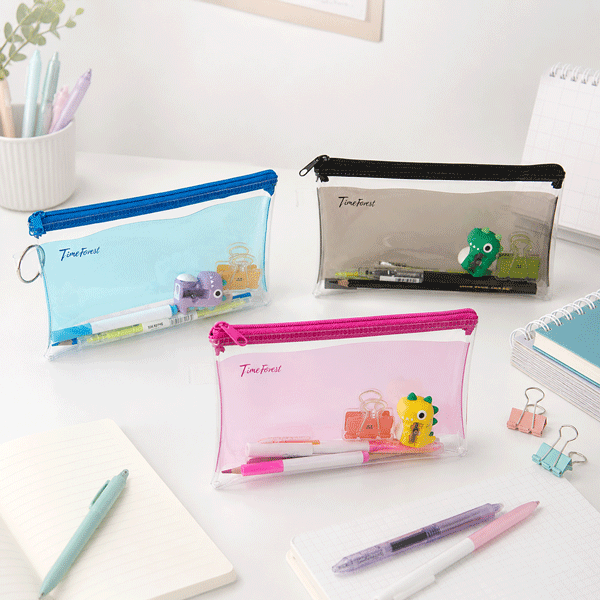
A flat material swatch helps a buyer inspect a panel in isolation. A completed sample reveals seams, folds, trim, closures and the relationship to the intended contents. Use both where they answer useful questions, but give them linked references if they represent the same proposal. A clear swatch does not demonstrate the finished bag's entire appearance. Conversely, a well-styled finished sample may not reveal whether the underlying material has changed from the quoted option. The approval set should identify what each sample represents and which characteristics were actually reviewed, rather than allowing a loose swatch and an unrelated product photograph to become a substitute for one coherent finished specification.
Inspect the assembled shape without assuming that every visible line is a fault. Seams, openings and designed folds are part of the construction and can affect what the viewer sees through or across the panel. Identify which lines are expected design features and which observations need clarification. A buyer can ask for a different layout or trim arrangement where the current proposal obstructs an important view, but that is a design request, not necessarily evidence of poor manufacturing. The distinction helps the supplier respond appropriately and prevents the sampling conversation from becoming an argument over a feature that was never defined clearly in the original brief.
Agree a practical viewing arrangement that reflects the intended presentation. Record the lighting, background, sample position and representative contents sufficiently for the parties to repeat the comparison. This guide does not prescribe a laboratory test or a universal inspection distance for transparent bags. If a formal optical measurement is required, obtain an appropriate method and qualified evaluation separately. For an ordinary design comparison, consistency still matters. A sample viewed against a dark background under strong reflections may appear different from the same sample photographed against a bright background. Documenting the arrangement helps reviewers understand whether they are comparing products or merely different ways of displaying them.
Keep the comparison simple enough that the buying team can use it again. Choose views that answer the brief, and avoid a large collection of uncontrolled photographs taken wherever the sample happens to be. If a second reviewer uses different lighting or contents, label that observation as a different view rather than replacing the original comparison. Additional views may reveal an important requirement, but they should expand the brief deliberately. A supplier cannot reliably reproduce an appearance expectation that changes with every message. A small agreed set of meaningful views gives both parties a stable basis for discussing the sample and any proposed revision.
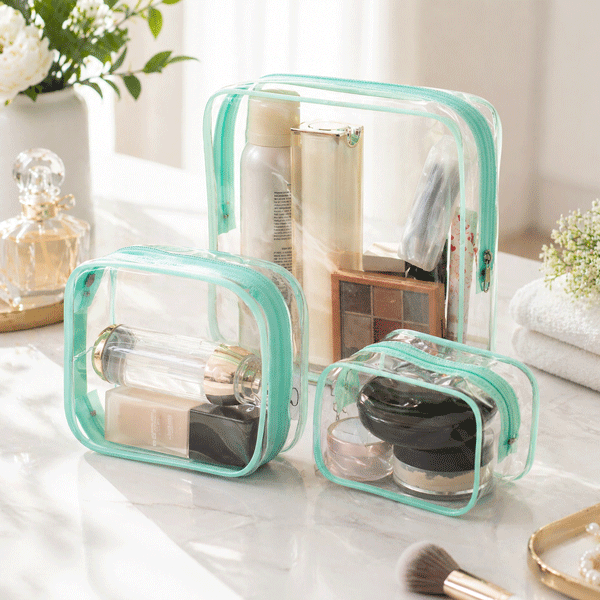
When reflected light makes a panel difficult to view, describe the position and conditions under which it occurs. Do not automatically label the material cloudy or defective from one bright patch in a photograph. Ask whether the view can be repeated on the physical sample and whether the intended presentation makes the observation commercially important. Equally, do not dismiss a real visibility concern merely because another photograph looks attractive. Record what must be seen, what obscures it in the agreed view and how the sample differs from the approved reference. This gives the supplier a useful description without claiming an optical property that has not been measured appropriately.
Use neutral terms for visible features. A reviewer may observe a local mark, a distorted-looking area, a fold line or an uneven view of an inserted card. Identify the position and the affected sample rather than assuming a processing cause. Where the feature is small, include a wider view as well as a close detail. A tight crop alone can make a local observation appear representative of the whole panel. A broad photograph alone can hide the detail that matters. Link the images and preserve the physical example where practical so the supplier can understand the actual appearance being discussed and recommend the next appropriate review.
Coloured binding, handles and zipper tape can deliberately frame a transparent panel. They can also cover part of the intended contents or change the overall visual balance. Compare those components on the finished sample, using the actual layout and orientation in the brief. A tote with dark handles and a pouch with coloured trim answer different presentation needs, even if both contain transparent panels. Avoid copying one product's approval directly to another construction. Record the relevant component colours and positions, and identify whether the buyer is approving the exact combination or only evaluating a general design direction that still needs a complete sample.
Review closure and opening arrangements as visible design features while keeping functional performance claims separate. The sample may show how a zipper sits, how a flap overlaps or where an opening interrupts the view. It does not, by appearance alone, prove a particular closure life, carrying strength or protective property. If those requirements matter, specify them separately and request suitable evidence for the assembled product. A purchasing brief becomes more useful when it distinguishes an approved visual layout from a functional requirement that still needs evaluation. This also helps avoid receiving a visually similar substitute whose construction differs in a way that the buyer never intended to approve.
Place the intended or representative contents in the sample according to the agreed presentation. Record their dimensions and arrangement, particularly when a label, display card or small accessory must remain visible. Contents that are too large, too small or positioned differently can make two bags appear more different than their actual designs justify. Do not force items into a sample outside its supported intended use merely to create a photograph. If the product needs a revised format, document that design change and ask the supplier to confirm the corresponding construction and sample scope rather than treating an improvised arrangement as final approval.

Check whether the planned insert or display card changes the appearance. An opaque card may support branding while covering a view that another stakeholder expected to remain open. A reflective or coloured item can affect how the panel looks in the photograph without demonstrating a difference in the bag material itself. Ask the relevant team members to review the same filled sample and explain their requirements. This is a useful point to resolve conflicts between merchandising and purchasing. The supplier should receive one coherent brief stating which contents and visible areas matter, instead of separate instructions that cannot all be satisfied by the same proposed layout.
If printing or a label is part of the project, identify the artwork version, position and the view from which it should be assessed. A graphic on a transparent panel can appear in relation to the contents and the opposite side of the bag. Review the intended filled presentation rather than approving only a digital mockup against an empty background. The artwork should be authorized for the project, and unsupported logos or qualification marks should not be added to complete the design. A sample picture containing illustrative wording does not by itself establish that any particular branding, licensing or customization claim has been confirmed for the buyer's order.
Separate the approval of graphic placement from confirmation of the decoration method and its supported care or handling requirements. A design team may like the visual result while the exact production proposal remains incomplete. Record the missing information rather than treating aesthetic approval as release of every technical detail. If the supplier changes the method or the panel material, check whether the previous sample still represents the proposed product. A new method may require another review of appearance and relevant product requirements. The point is not to repeat every step automatically, but to preserve the connection between the evidence that was approved and the construction that will actually be ordered.
Identify the sample's condition when received and how it was presented for review. Packaging folds, transport condition or prior handling may be relevant observations, but they should not be turned into a technical cause without investigation. If an appearance feature is noticed after the sample has been used for several internal demonstrations, record that history. Keep an unused reference where practical and appropriate to the project. A supplier reviewing photographs needs to know whether the image shows the received sample, a deliberately arranged display or an item whose condition may have changed during review. Clear history makes the comparison fairer and helps determine what additional evidence would be useful.
Follow the supplier's supported instructions for any cleaning or preparation of the sample. Do not apply an improvised chemical or treatment to improve the appearance and then present the result as the original product condition. If a preparation is agreed, document it and keep the relevant observations separate. The same principle applies to pressing, reshaping or otherwise changing the sample before inspection. This guide recommends no universal treatment for transparent materials. Where the appearance cannot be assessed adequately in the received condition, ask the supplier how the exact proposed construction should be handled and identify the limits of any conclusion drawn before that clarification is available.
Before approving production, decide how the parties will describe and evaluate meaningful appearance differences. Use an agreed physical sample, documented views and suitable criteria for the project. Do not invent a universal acceptance number or an inspection standard for every transparent bag. A formal quality plan, where required, needs an appropriate method and agreement beyond this general guide. For a design review, a useful record can still distinguish a required feature, an accepted construction characteristic and an unresolved observation. The classification should explain why a difference matters to the intended presentation, rather than simply attaching a pass or fail label with no reference to the product brief.
Avoid allowing an approved sample to become an undefined promise of perfection under every possible view. State which presentation was approved and preserve any relevant qualifications. Equally, do not use vague qualifications to excuse a difference that clearly conflicts with the agreed brief. A fair comparison needs both a stable reference and a clear statement of the requirement. If the parties disagree, return to the identified sample and viewing arrangement before arguing from separate photographs. The result may reveal a genuine product difference, a new requirement or an inspection-method gap. Each possibility calls for a different next step and should be recorded accordingly.
Send Hansun the intended use, proposed bag format, relevant contents, component requirements and representative views. Identify whether the request concerns PVC specifically or whether another material option can be proposed separately. Include the visual priorities and ask which aspects can be sampled for confirmation. Do not insert assumed material values or unsupported protective claims to make the enquiry appear complete. An explicit open question is more useful than a precise-looking requirement copied from an unrelated listing. The supplier can then explain the proposed scope and the information needed to prepare a relevant sample, rather than quoting a general transparent bag that does not address the actual presentation.
Keep commercial information alongside the appearance brief but distinguish it from the technical decision. Proposed order quantities, packing, delivery basis and sample responsibilities need confirmation for the actual project. This guide provides no market price, minimum quantity or lead-time promise. If an alternative is offered to meet a commercial target, review the exact differences before assuming it remains within the approved visual scope. A lower-cost option may still be suitable, but suitability should follow from the confirmed proposal and sample evidence. The purchasing comparison should show what is being bought, what has been reviewed and which requirements remain pending for each option under consideration.
Retain the approved finished sample and its linked component description, artwork reference and viewing record through the buyer's normal document process. Give the set a clear version that can be cited in the purchase order. Earlier samples may remain useful for history, but label them so they cannot be mistaken for the current commercial reference. Keep a short explanation of the final decision and unresolved limits. This helps a new colleague or supplier representative understand what was approved without reconstructing a long message history or trying to determine which of several similar-looking photographs represents the bag that the business actually intends to reorder.
Ask about relevant changes on a repeat order, including proposed panel material, trim, closure, decoration or packing differences. A familiar product name does not demonstrate an identical construction. Decide whether the existing approval evidence still applies and request another sample where the changed scope makes it necessary. Do not rewrite the old approval to suggest that a later alternative was already reviewed. Preserve the sequence and identify the new version explicitly. This keeps continuity without making every repeat a complete redesign, and it prevents an undocumented substitution from gradually becoming the product standard simply because the change was difficult to see in a small catalogue image.
Can a photograph establish that a bag is PVC? No. A photograph shows visible appearance and construction features under particular conditions; it does not reliably identify composition or confirm the specification of hidden components. Request the relevant declaration and supporting information for the exact proposal. Keep any statement about the main panel separate from a statement about the whole finished item. If a supplier offers a different transparent material, identify it as an alternative rather than treating the image as proof of equivalence. This allows the buyer to review appearance while retaining an accurate record of the product information that still needs confirmation before an order is released.
Does a clearer-looking sample prove better protection? Not by appearance alone. Visibility and protection answer different requirements. A buyer needing a particular protective property should define the intended use and obtain appropriate product-specific evidence rather than inferring it from a clear panel or closed zipper. The sample can still be approved for its visible presentation while that separate requirement remains pending. Avoid broad labels such as waterproof or universally protective unless the exact claim is supported and appropriate to the proposed construction. Keeping the decisions separate helps both the sourcing team and the supplier understand what evidence is needed for each part of the brief.
Why can two photographs of the same bag look different? Lighting, background, orientation, contents and camera view can change the visible presentation. Those differences do not by themselves prove that the product changed. Compare the identified physical sample using the agreed arrangement and preserve photographs that show both context and detail. If the appearance concern remains, describe its location and practical significance without assuming a cause. The purpose of a reference view is to make the comparison interpretable, not to find one flattering photograph and use it to dismiss every other observation that a reviewer has recorded under a meaningful intended presentation.
What is the most useful result of a transparent bag sample review? It is a coherent decision linked to an identifiable finished product and a defined appearance brief. The record should show which material proposal, construction, contents, artwork and views were reviewed, what was accepted and what remains unresolved. Send that reference set with future sourcing and reorder discussions. This gives Hansun a specific basis for confirming a proposal and gives the buyer a practical way to recognize changes. It supports clear communication about transparent appearance without inventing composition, performance, environmental credentials or a guarantee that one approved photograph represents every possible use of the finished bag.
This website uses cookies to ensure you get the best experience on our website.

 Español
 Português
 日本語
 العربية



 Phone
Comment
(0)