

A promotional gift bag can look ready in a product photograph while the actual kit remains undefined. The buyer may still need to decide which items go inside, how they are arranged, which version goes to each destination and who checks the finished set before distribution. These decisions affect the bag brief as well as the work around it. This guide explains how to organize a kit project around an identifiable contents list and a practical handoff plan. It focuses on sourcing the bag and coordinating the agreed scope, without assuming that a bag supplier automatically provides every gift item, assembly service, storage task or delivery arrangement.
Hansun's published images show fabric bags, transparent totes and other bag designs, alongside workshop and showroom views. The examples here illustrate visible forms and presentation choices. They do not establish a carrying limit, a particular material composition or a complete fulfilment service for every design. Ask for confirmation of the exact proposed product and commercial scope. A useful enquiry connects the bag reference with the intended contents, presentation and packing requirements, then assigns responsibilities for the remaining kit work. This gives both buyer and supplier a clearer basis for discussing samples and avoids a late discovery that different parties have prepared for different versions of the same project.
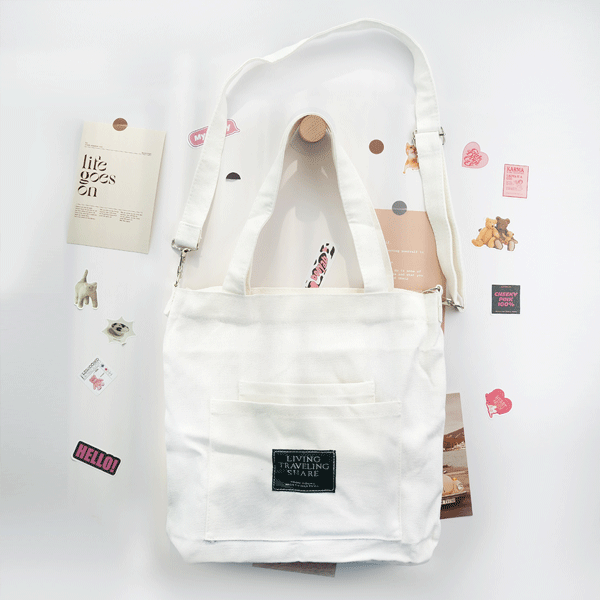
List every item intended to be inside the finished kit, including cards, inserts and accessories that are easy to overlook. Give each item a clear reference and state whether it is confirmed or still proposed. The list should describe what the recipient is intended to receive, rather than only the products already ordered. Keep optional additions visible as separate decisions. If an item is supplied by another party, identify that responsibility without implying that Hansun sources or endorses it. The bag proposal can then be reviewed against one coherent list, while the buyer retains ownership of confirming the wider kit scope and any unresolved component requirements.
Record relevant dimensions and the intended packing condition of each item. A notebook in a sleeve, a boxed accessory and a loose sample may occupy different space from their unwrapped dimensions. Do not assume that a familiar product name is enough for bag sizing. Where an item has not been finalized, state the uncertainty and identify when a representative example will be available. Avoid fixing the bag format around an optimistic assumption that later becomes difficult to change. A realistic contents record helps the supplier explain which sample information is needed and allows the buyer to see which product decisions must be settled before final bag approval.
Decide what the recipient should see first when the bag is handed over or opened. The desired presentation may favour a visible front item, an insert held in a particular position or a discreet arrangement inside an opaque bag. These are design requirements, not evidence of an existing product's performance. Share an authorized reference arrangement where practical, keeping confidential or unnecessary personal information out of the sample materials. A transparent tote and a fabric bag can offer different visual possibilities. Compare the proposed finished presentation rather than choosing one only because an empty catalogue image looks attractive or because another project used a superficially similar design.
Consider the ordinary handling route as well as the initial display. A bag carried to a collection point, placed on a shelf and handed to a recipient may not preserve a carefully staged arrangement automatically. Ask which aspects of the presentation matter throughout that route and which matter only at a defined point. Evaluate those requirements with the proposed sample and supported use conditions. Do not add an improvised closure or insert without recording it as part of the construction. Otherwise the approval may appear to cover the bag alone when the successful presentation actually depends on an unquoted accessory that another team assumes is already included.
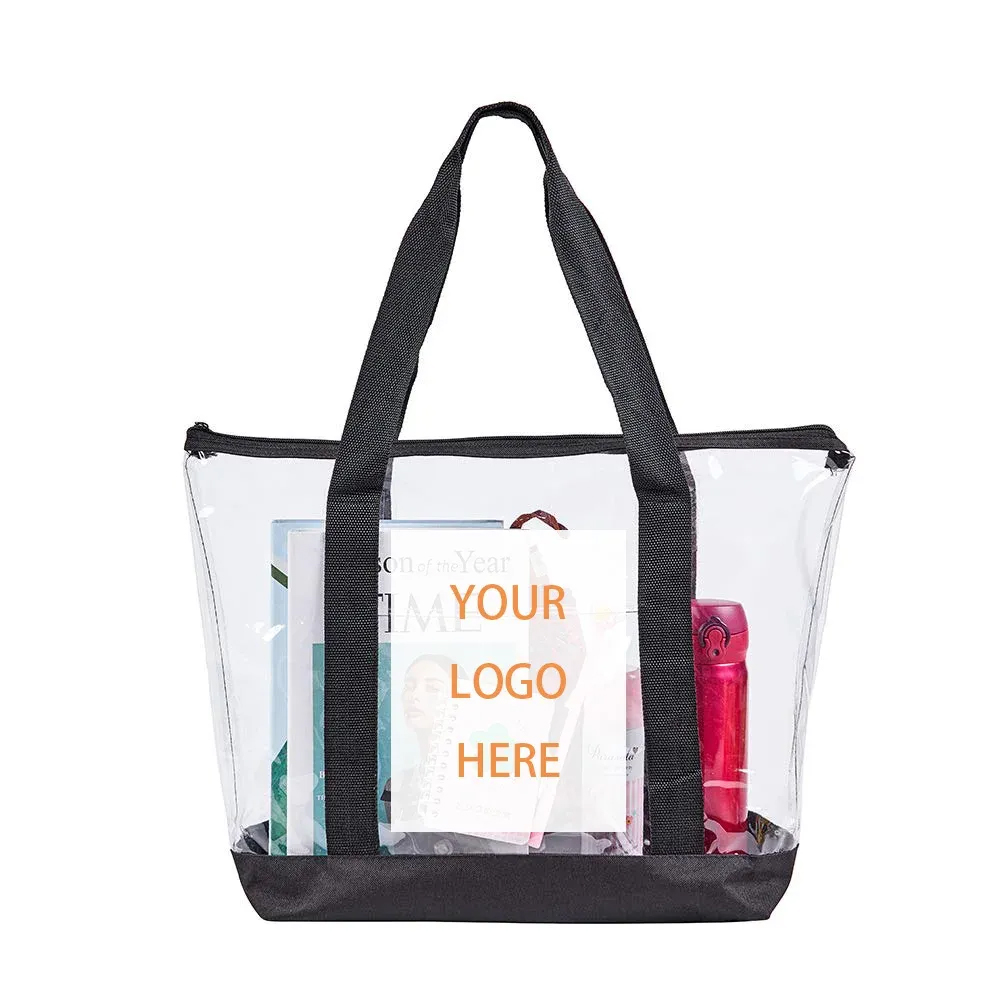
A project may include several kit versions for different programmes, destinations or distribution groups. Assign a distinct version reference to each confirmed contents list and bag arrangement. Do not rely solely on a description such as standard or premium if different teams use those terms differently. The reference should connect the contents, bag, artwork and packing instruction that belong together. If one version differs only by an insert, keep that difference visible. A small variation can still create an incorrect recipient set if assembly staff are expected to remember it without a clear version record and an agreed way to distinguish completed kits.
Use a simple comparison to reveal variation before ordering. For example, a hypothetical kit might contain a notebook, a card and a sample item, while another proposed version adds a boxed accessory. That example is a planning illustration rather than a Hansun customer case. The buyer should check whether the additional item changes the bag format, arrangement, protection or packing requirement. Avoid multiplying bag designs merely because the kit names differ, but do not assume that one approved bag automatically fits every variation. The useful question is whether the proposed construction and evidence still apply to the actual contents and presentation required for each version.
Record the proposed bag reference, dimensions, declared material, handles, closure, pockets and decoration details relevant to the brief. Ask the supplier to identify which features are included in the quotation and which are optional. A photograph can illustrate appearance but cannot establish every hidden component or technical property. If the buyer has a carrying or other performance requirement, specify it separately and obtain appropriate confirmation or evaluation for the complete proposed construction. The contents list supports that discussion, but it does not by itself prove that a pictured bag can accommodate or carry the intended kit under every handling condition.
Review any proposed insert, divider or additional packaging as its own component. Clarify who supplies it, how it relates to the bag and whether it was present in the sample used for approval. Do not let an improvised display support quietly become an assumed production accessory. A complete scope should identify whether the supplier is providing only the empty bag, a decorated bag, a packed bag or another specifically agreed arrangement. This article makes no claim that all of those services are available from Hansun. The buyer should obtain an explicit proposal for the task being discussed and coordinate any remaining work through the appropriate parties.

Prepare a representative contents set before evaluating the bag format. Where the exact items cannot yet be supplied, describe the substitutes and the limits of the comparison. A lightweight empty box is not evidence for the carrying behaviour of the final filled item. Likewise, a smaller sample cannot confirm that a later larger product will fit. Keep those distinctions visible in the approval record. The sample can still answer useful appearance or arrangement questions while other requirements remain pending. The important point is that the team knows which decisions the available evidence supports and which depend on receiving the confirmed production components.
Have the relevant buyer team review the same assembled sample. Purchasing may be checking the offered scope, design may be checking the visible arrangement and the distribution team may be considering how the kit will be handled. Ask each reviewer to identify a specific requirement or observation instead of giving only a general preference. Resolve conflicting instructions before returning the brief to the supplier. A bag cannot reliably be ordered against several incompatible internal pictures of the finished kit. One identified sample and one versioned contents list give the project a clearer decision point and reduce the need for late explanations about what someone intended but never recorded.
Record the number of bags, the number of complete kits and the quantities of individual contents on clearly defined bases. Those figures may differ for legitimate reasons, such as a proposed spare allocation or separately supplied components. Do not hide the differences in a single total. State what each quantity represents and who approved the calculation. This guide recommends no universal spare percentage or order quantity. The buyer should use its actual project needs and supply arrangements. A clear quantity basis helps prevent an apparently adequate bag order from being mistaken for confirmation that every required component is available for the same number of finished recipient sets.
When kit versions differ, allocate quantities to the version references before combining them into a purchasing summary. If a common bag is used across several versions, show that relationship explicitly. Keep any unassigned quantity visible until the responsible person decides how it will be used. Otherwise, a warehouse may see enough empty bags overall while lacking a confirmed allocation for one destination. The supplier also needs to know whether colour, artwork or packing requirements change with the allocation. The project should be able to reconcile ordered bags, received bags, assembled kits and remaining stock without redefining the quantity basis each time a different department reviews the numbers.
Identify who will put the kits together and what information they need to do it correctly. Assembly might be performed by the buyer, another service provider or a supplier under a specifically agreed scope. Confirm that arrangement instead of assuming it follows automatically from ordering promotional bags. The responsible team needs the current contents list, version references, representative sample and packing instructions. If the contents come from several sources, assign responsibility for confirming that the right components have arrived. A bag delivery can be complete while the kit project remains unready, and that distinction should remain visible in both the schedule and the commercial discussion.

Define the point at which a proposed kit becomes released for assembly. Some projects may still be waiting for an artwork decision, an insert or a substituted item. Do not treat physical availability as approval. Use the buyer's normal release process and identify the person who can authorize a change. A concise instruction set is often easier to use than an extensive message history containing several superseded arrangements. Keep old versions as history where needed, but make the current instruction unmistakable to the people preparing the actual sets. This gives the project a practical way to avoid mixing an approved bag with contents or labels from another version.
Agree what the finished-kit check should confirm. A useful review may identify the correct bag, contents, insert, artwork version, arrangement and any agreed packing details. The method and extent of inspection should fit the project and be agreed by the responsible parties; this article supplies no universal quality plan. Record who performs the check and how an unresolved kit is handled under the buyer's process. A general instruction to check everything is difficult to execute consistently. A clear list tied to an identifiable sample lets the team understand what a complete set means for the version being prepared.
Separate bag quality observations from missing-content or allocation errors. A bag can match its approved specification while the assembled kit contains the wrong card. Conversely, a correct contents list does not establish that the supplied bag matches the approved construction. Keep the relevant references in any report so the issue can reach the appropriate responsible party. Avoid describing every discrepancy as a supplier bag defect when the evidence concerns a different part of the project. This distinction supports more effective follow-up and prevents a real construction concern from being lost among unrelated assembly, labelling or stock-allocation questions that need separate decisions.
Decide what information the distribution team needs on an outer package or accompanying record. The useful fields may include the project reference, kit version, destination reference and quantity basis. Use only the information necessary for that task. Personal recipient information should be handled through the buyer's authorized process rather than placed on sample photos or shared broadly with unrelated suppliers. A destination reference can often support planning before final recipient data is needed. The aim is a clear operational handoff that connects the correct kits to the agreed route, without confusing a bag product label with a complete distribution instruction for the entire project.
Keep the label wording consistent with the contents and allocation records. If the project uses similar-looking kit versions, agree how staff will distinguish them before the packages are closed or moved. Colour can support a system, but it should not be the only reference if teams may interpret it differently. Review a proposed label beside the packed sample and ask someone unfamiliar with development to explain what it tells them. This is a communication check, not a guarantee of error-free distribution. It can still reveal an unclear version name or quantity description while the wording is easy to revise and before it is reproduced across a larger allocation.
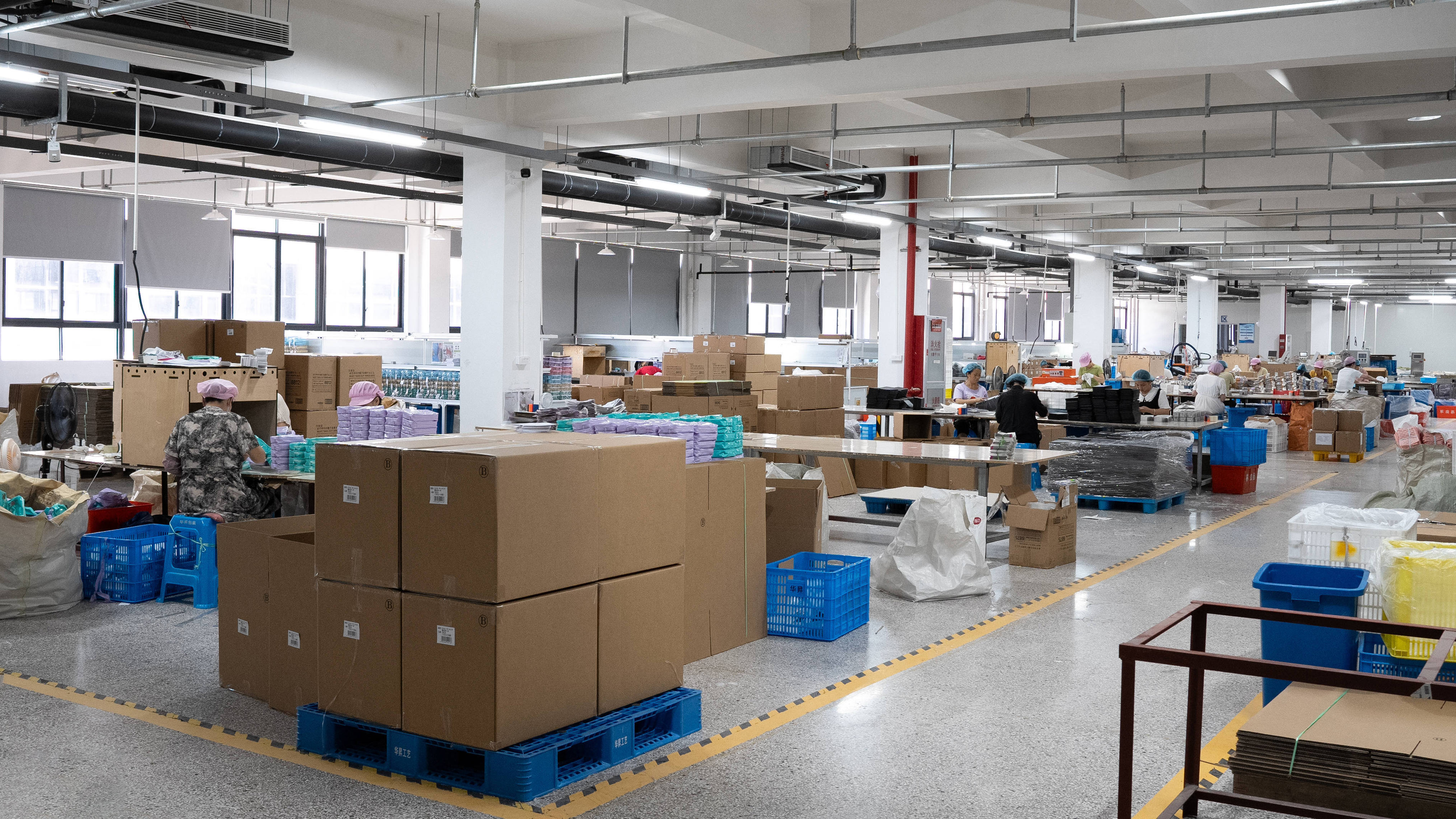
Different destinations may need different outer packing arrangements or allocation records even when the bag design is common. Ask the receiving party what it actually needs and confirm the agreed scope with the people responsible for packing and delivery. Do not infer a standard carton quantity, transit protection level or delivery service from a product photograph. Where a third party controls the transport, keep its responsibilities distinct from the bag supplier's offer. The buyer should be able to explain which party supplies the bags, which prepares the kits, which packs the outer units and which handles the agreed delivery route.
Prepare a small handoff record for each confirmed destination allocation. Link the kit version and quantity to the relevant packing instruction, release status and responsible contact through the authorized project process. Keep a change visible if the destination or contents are revised. A late commercial request can affect more than a shipping label; it may change the required allocation, the preparation work or the sample evidence that remains relevant. Review the consequence before accepting the change as routine. This helps the project maintain a consistent relationship between what was ordered, what was assembled and what the receiving team expects to find when the allocation arrives.
A kit component may become unavailable or a campaign team may request a different insert after the bag has been approved. Identify the change and determine which decisions it affects. A substitute item may alter the required space, presentation or other product requirements, while an insert change may affect only the version record and check list. Do not assume either outcome without reviewing the actual proposal. Ask the relevant supplier or responsible team what confirmation is needed. Keep the old approval as history and issue a clear current version so the change does not exist only in a message that one person has read and another has missed.
Record how the change affects quantities and already prepared work. Some stock may remain usable for the earlier version, while another allocation may require rework through the buyer's process. This guide recommends no universal decision to discard, repack or substitute material. The appropriate action depends on the actual condition, approved scope and responsible commercial decision. The important purchasing discipline is to avoid concealing the difference by renaming every existing kit as the new version. A traceable record allows the team to distinguish unchanged bags from changed contents and to explain which allocations are ready, pending or subject to another agreed review.
Send Hansun the intended bag use, confirmed or proposed contents, representative dimensions and the required visual presentation. Add the proposed bag construction, artwork reference and quantity breakdown where those details are available. State whether the enquiry concerns empty bags only or whether any additional service is being requested for confirmation. Do not present an assumed assembly or fulfilment capability as a settled fact. A focused brief allows the supplier to respond to its actual role and identify what information is needed for a meaningful sample or quotation, while the buyer continues to coordinate the kit components that fall outside that confirmed offer.
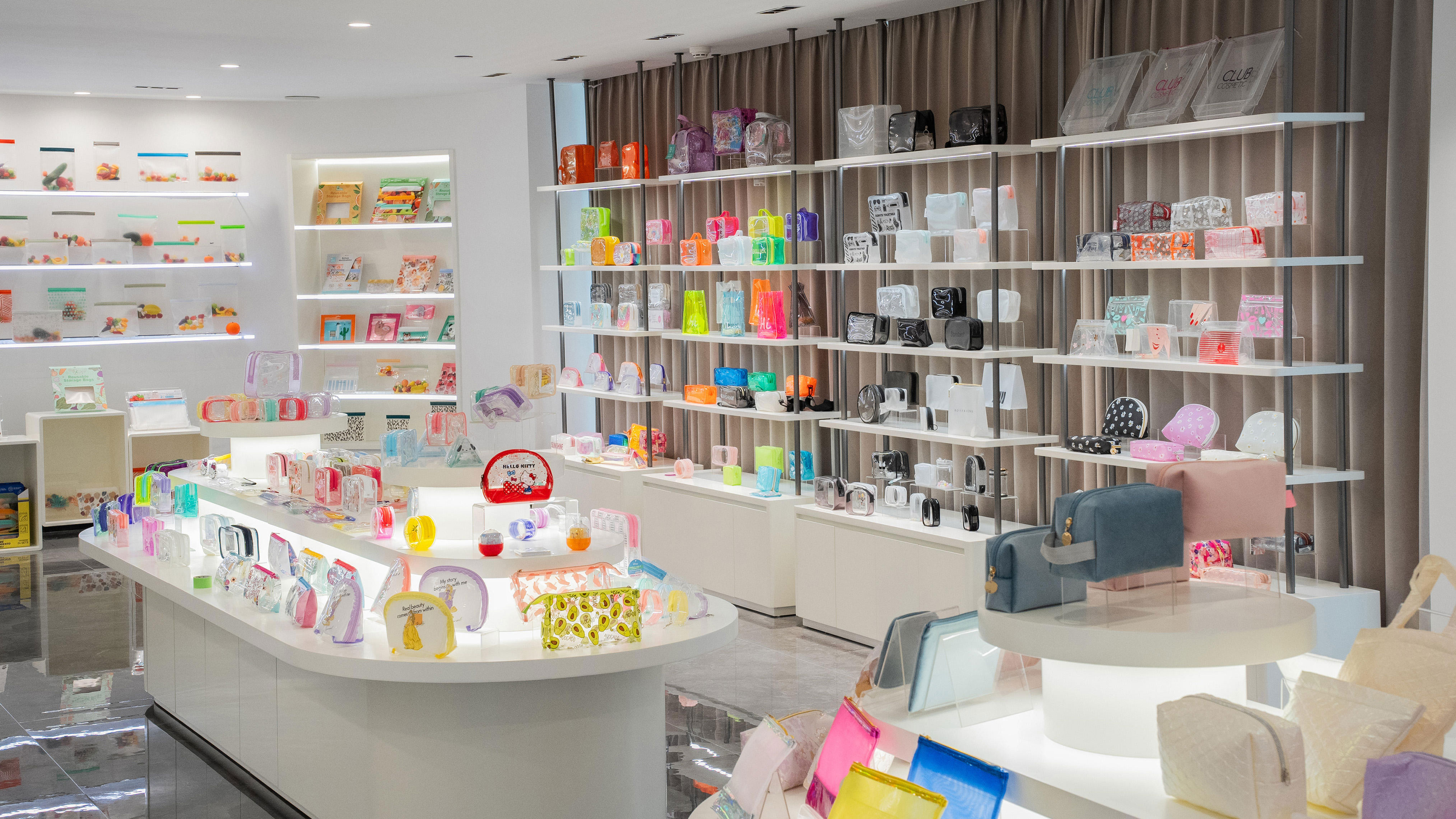
Compare supplier responses on the same scope. One quotation may cover decorated empty bags while another includes a separately proposed packing task. Keep those differences visible before comparing the commercial totals. Obtain actual prices, minimum quantities, sample arrangements and lead times for the project rather than filling the brief with unverified market assumptions. If an alternative bag is offered, review it against the same contents and presentation requirements. A lower-cost proposal may be suitable, but the decision should be tied to the identified construction and relevant evidence. The comparison should explain what the buyer would receive and what work still needs to be arranged elsewhere.
Can one bag be used for every kit version? It may be possible when the confirmed contents and requirements are compatible, but matching the campaign name or overall item count is insufficient. Review the representative contents, arrangement, supported use and relevant construction requirements for each version. A common bag can simplify an allocation when the evidence supports it, while a different version may need a revised format or another sample. Keep the decision explicit. The goal is a coherent product brief, not unnecessary design variation or an unsupported assumption that the first approved sample covers every later addition to the kit project.
Does a supplier's bag sample approve the complete gift set? Only the scope actually reviewed and confirmed should be treated as approved. A bag sample may demonstrate the proposed construction or appearance while the contents, assembly arrangement or distribution record remains unresolved. Link the sample to the relevant kit reference and state which components were present. If placeholders were used, identify their limits. This prevents a successful internal display from becoming a broader claim about the final set that recipients will receive. A clear approval record is useful precisely because it shows both what has been confirmed and what still requires another responsible decision.
How many extra bags should be ordered? Use the buyer's actual requirements and clearly labelled planning assumptions. Consider the agreed version quantities, sample needs and any separately approved allocation, but do not apply an invented universal spare percentage. Confirm the commercial supply basis with the supplier and keep spare bags separate from complete spare kits. Extra empty bags do not resolve a shortage of another required component. The purchasing record should explain the calculation so it can be updated when the project scope changes, rather than preserving a convenient number whose meaning is unclear to the assembly team or the person responsible for distribution.
What makes the final handoff usable? The receiving team should be able to identify the project, the kit version, the quantity basis, the approved presentation and any open issue relevant to its task. Keep the record concise and connected to the correct sample and allocation. Preserve the difference between bag supply, kit assembly and distribution responsibilities, with each additional service confirmed through the actual proposal. This gives a promotional gift project a practical route from an attractive bag design to an identifiable recipient set, while avoiding unsupported claims about materials, carrying performance, fulfilment capacity or results that have not been established for the exact order.
This website uses cookies to ensure you get the best experience on our website.

 Español
 Português
 日本語
 العربية



 Phone
Comment
(0)