

A custom tote bag can look complete in an artwork proof while important functional questions remain unanswered. The way a handle sits in the hand, the position of a seam and the space available at the opening become clearer only when someone uses a physical sample. A useful sample review therefore connects appearance with the intended contents and carrying situation. It gives the buyer a way to discuss specific observations with a custom bag manufacturer rather than approving a design solely because the logo looks attractive.
This guide explains how purchasing teams can organize that review when discussing custom bags with Zhejiang Hansun Crafts Co., Ltd. It is a planning framework, not a product test report or a claim about the strength of any pictured bag. Materials, construction details and performance requirements need confirmation for the actual order. Use an agreed sample procedure and suitable professional testing where required. The objective is to make decisions traceable and practical before production details are treated as settled.
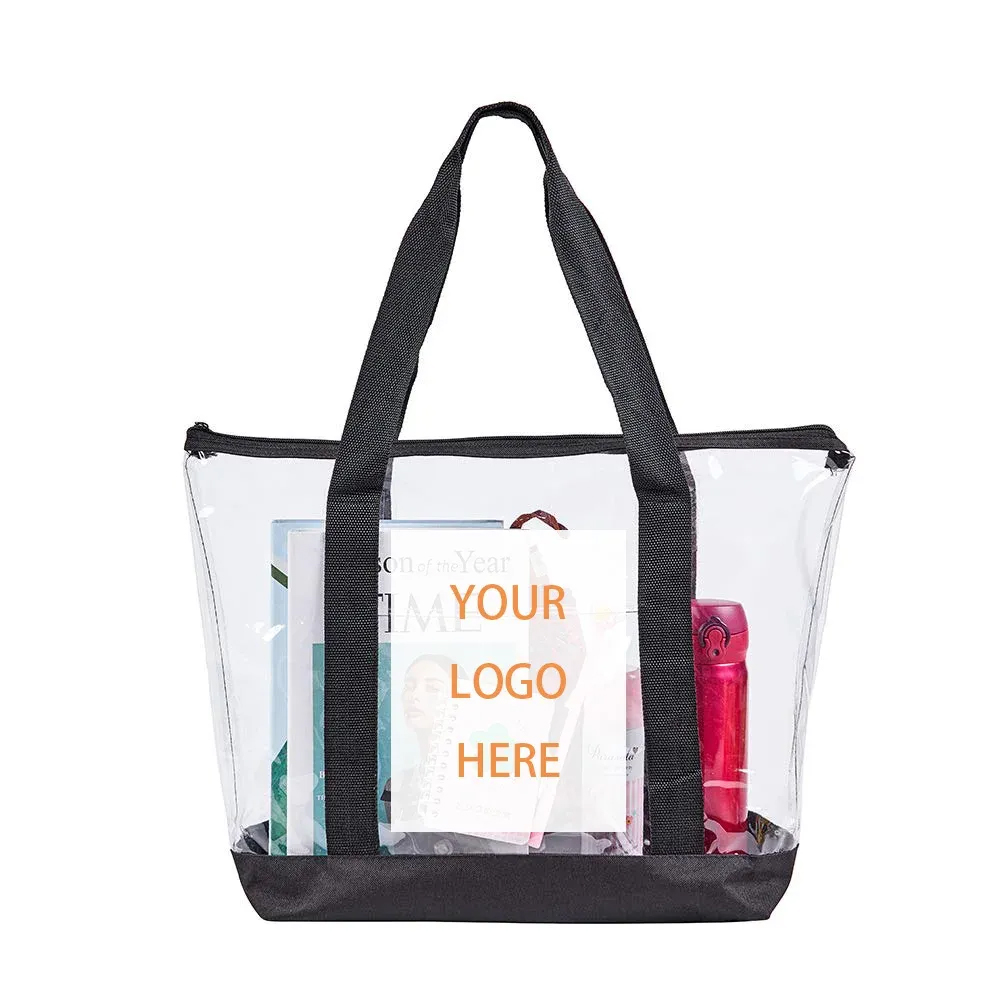
List the intended contents before choosing handle length or judging the apparent size of the bag. Identify whether the contents are a single rigid item, several smaller pieces or a changing assortment. Note protruding corners, awkward shapes and any item that needs separation. A flat drawing may show that an object fits within the outline but say little about how it enters the opening or sits when the bag is carried. A representative contents list makes those questions visible early.
Distinguish the planned everyday use from occasional possibilities. A promotional tote intended for lightweight event materials should not acquire an assumed suitability for heavy retail purchases simply because both situations involve a bag. Record the intended use and any relevant limitations in the sample brief. If the buyer cannot yet describe the contents, request enough information to build a meaningful evaluation. Do not turn a guess about future use into a published load claim or an acceptance requirement that no responsible person has approved.
Explain how the user is expected to carry the bag: by hand, over a shoulder or for short transfers between locations. These are practical scenarios rather than automatic product capabilities. The sample review should use the actual proposed construction and the intended contents. Ask several relevant reviewers to describe what they notice, while keeping subjective comfort comments separate from measurable dimensions. An opinion that a handle feels comfortable is useful feedback, but it is not a universal finding for every user.
Consider the setting in which the bag will be opened and packed. A narrow counter, a seated registration desk and a retail checkout can expose different handling difficulties. Record the circumstances used for the review so that comments retain their context. If a scenario changes, decide whether a further check is needed. This helps the supplier respond to a concrete situation instead of receiving a broad request to improve comfort, convenience and strength without a shared definition of the actual problem.
Assign a reference to each physical sample and connect it to the drawing, material description and revision being reviewed. Keep the date of the review and the responsible people with the record, but do not use a photograph's file date as proof of when a sample was made. A sample reference should make it possible to distinguish an early concept from a revised construction even when both use the same colour and printed design. This avoids approving one version while production discussions refer to another.
Describe changes individually. If handle attachment, panel size and lining all change at once, the buyer should still know which change was intended to address each concern. Retain earlier observations instead of replacing the whole record with a statement that the new sample is better. A clear version history helps purchasing and production compare the same facts. It also makes later reorder questions easier to resolve because the approved construction can be traced to a specific physical reference and document set.

Appearance alone cannot establish the composition, coating, weight or certification of a bag material. Ask for the description applicable to the proposed order and identify which details are confirmed. A light-coloured woven-looking bag should not automatically be described as organic cotton, and a transparent panel should not be assigned an environmental claim from its appearance. Keep marketing language separate from material evidence. Where composition or a claimed certification affects the buying decision, request the appropriate supporting documentation for the specific product and supply chain.
Use the physical sample to record visible and tactile observations without overstating what they prove. A reviewer can note that a panel feels stiff, folds in a particular way or has a visible surface finish. Those observations can guide a question to the supplier, but they do not replace the material specification. If the material is substituted after the sample review, identify the substitution explicitly and assess its implications for appearance, printing and construction rather than assuming the earlier approval transfers unchanged.
When handle drop matters, show the measurement convention on the drawing and agree how the sample will be positioned. Specify which points define the measurement, whether the bag is empty and how the handles are arranged. A number without a convention can create avoidable disagreement between the buyer's sample notes and the supplier's drawing. Retain the actual observations and the sample reference. Do not confuse the overall length of a handle component with the usable drop once it has been attached to the bag.
The appropriate target depends on the intended carrying situation and the approved design. This article does not prescribe a universal handle dimension. Compare the sample with the buyer's actual use brief and record any practical concern, such as interference with the opening or an awkward carrying position. Ask the supplier to explain proposed revisions and their effects on the rest of the construction. A longer handle may solve one issue while changing the appearance, packing arrangement or the way the bag hangs with the intended contents.
Inspect where each handle joins the bag and compare the visible construction with the agreed drawing or reference sample. Record the location, alignment and apparent consistency of the attachment areas. If reinforcement is specified, confirm its description rather than assuming that a visible stitch pattern proves a particular internal construction. Photographs of the front and reverse sides can help explain a question when both are accessible without damaging the sample. Keep the sample intact unless a destructive examination has been agreed separately.
A visual review can identify features for discussion, including uneven placement or a difference between the two handles. It cannot establish a safe working load or the long-term durability of the attachment. Any functional requirement needs an appropriate, agreed evaluation and interpretation. Ask the supplier which construction is proposed for the actual materials and intended use. Avoid approving a load claim because the bag held a few demonstration items once or because a promotional image shows someone carrying an unspecified object.
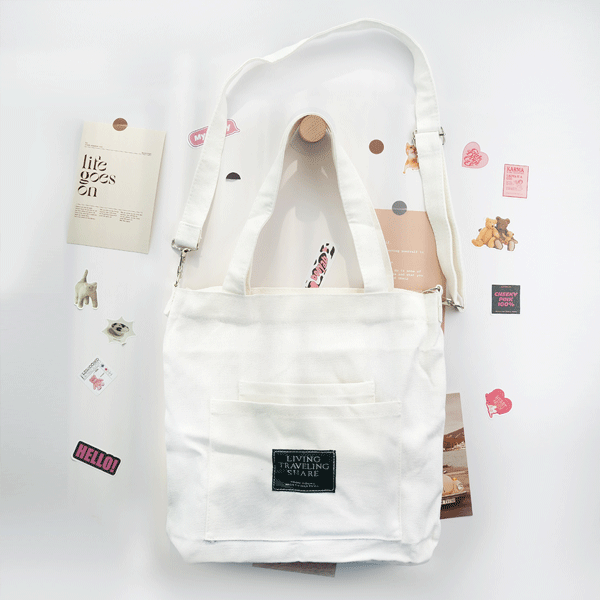
Review the side seams, bottom construction and transitions around corners as a connected structure. Use a drawing or labelled photographs to locate observations. Distinguish the appearance of a seam from its construction and the evidence needed to evaluate its function. A neat-looking line is not proof of every internal detail, while a visible irregularity should be described precisely before anyone assigns a cause. The buyer should be able to identify the relevant area without using vague phrases such as poor sewing everywhere.
Compare corresponding areas across the reviewed samples when more than one is available. Record the scope of the observation honestly; a difference seen in one sample does not establish a production-wide defect rate. Ask whether the sample represents the intended production construction and note any acknowledged development features. This allows the review to focus on the changes needed for the approved design. It also prevents a presentation sample from being treated as statistical evidence about a future batch that has not yet been manufactured.
Try the agreed contents in the sample using the intended packing sequence. Observe whether the opening, handles or closure make that sequence awkward. A bag can have sufficient internal dimensions yet be inconvenient to fill because a rigid item cannot pass through the opening in the required orientation. Record the actual item reference and the way it was inserted. If the item used is a substitute, identify that limitation rather than presenting the result as a completed review of the final application.
Where a closure is proposed, review it in the context of the filled sample. Describe any interference between contents, handles and closure components without forcing the sample beyond the agreed procedure. The presence of a zipper or another closure in a product picture does not confirm that it is included in every offered version. Keep closure type, dimensions and construction in the written order brief. This gives the supplier a clear basis for explaining which options can meet the intended packing and carrying requirements.
Compare the empty sample with the same bag holding the representative contents. Observe panel shape, the position of the opening and the way the handles sit. A bag photographed flat can look different when it is used, particularly where the contents are rigid or unevenly distributed. Record these differences as practical design observations. Do not infer that a crease, fold or change in outline is automatically a defect; assess it against the buyer's agreed appearance and functional expectations.
Ask the brand or design reviewer to examine the filled sample as well. A logo that appears centred on an empty flat panel may sit differently when the bag takes its intended shape. The solution could involve the artwork position, the construction or the way the bag is packed, and each option has different implications. Discuss the alternatives before changing the approved proof. Keep the final decision connected to the actual sample version so that a visual adjustment does not silently introduce an unrelated construction change.

Map the artwork area against seams, folds, handle attachments and any other visible feature of the bag. Confirm which view the artwork drawing represents and whether the bag is shown flat or filled. Ask the supplier to explain the available print area for the proposed construction and process. Do not copy an artwork position from another bag size without review. A change in panel proportions or handle placement can affect the visual relationship even when the logo file itself remains exactly the same.
Separate artwork approval from colour and construction approval. A screen image may help locate a logo, but it does not prove the final printed colour on the selected material. Identify the physical or documented reference that will govern each decision and record any limitations of the sample being reviewed. If a development sample uses a temporary print method or a substitute material, label that clearly. This prevents an attractive concept mockup from becoming an accidental promise about the final appearance of an unconfirmed production process.
Before carrying out a functional check, agree its purpose, method, sample identification and interpretation. Use a suitable procedure developed by qualified people where the requirement calls for it. The buyer should not improvise a hazardous load demonstration or present an informal handling exercise as certification. Keep ordinary user feedback distinct from a defined test result. Both can be useful, but they provide different kinds of evidence and should not be combined into a single unsupported claim about the bag's performance.
For an ordinary sample review, record the contents and the handling situation that were actually observed. Note any limitations and the questions requiring a more formal assessment. If a requirement is expressed as a load, duration or repeated-use expectation, ask how it will be evaluated and who will approve the method. Do not invent acceptance numbers from general industry language. A clear functional brief helps the supplier propose an appropriate construction and evidence package while keeping the purchasing team's expectations explicit.
Comfort is affected by the user, clothing, contents and carrying situation. Invite reviewers to describe specific observations, such as pressure at a particular point or difficulty keeping the handles together. Avoid reducing every comment to a score without preserving what caused it. A short explanation can be more useful than an average rating when the supplier needs to revise a handle arrangement. Keep personal impressions identifiable as feedback rather than presenting them as an objective result that applies to everyone.
Where reviewers disagree, examine the context before choosing one opinion as correct. Different carrying habits or contents may explain the difference. Decide which scenario the product is intended to serve and whether the design needs to accommodate more than one. This is a commercial and product decision, not something a supplier can infer from a generic request for a better bag. Document the accepted tradeoff so that a later reviewer understands why one handle arrangement was selected over another plausible option.
Consider how the finished bags will be supplied, stored and presented before use. Ask which folding or packing arrangement is proposed and review its effect on the sample appearance where relevant. This does not require guessing carton quantities or shipment details at the design stage. It requires identifying the decisions that could affect the approved product. A presentation concern discovered only after delivery can be harder to discuss if the original sample record shows the bag only immediately after unpacking or display preparation.
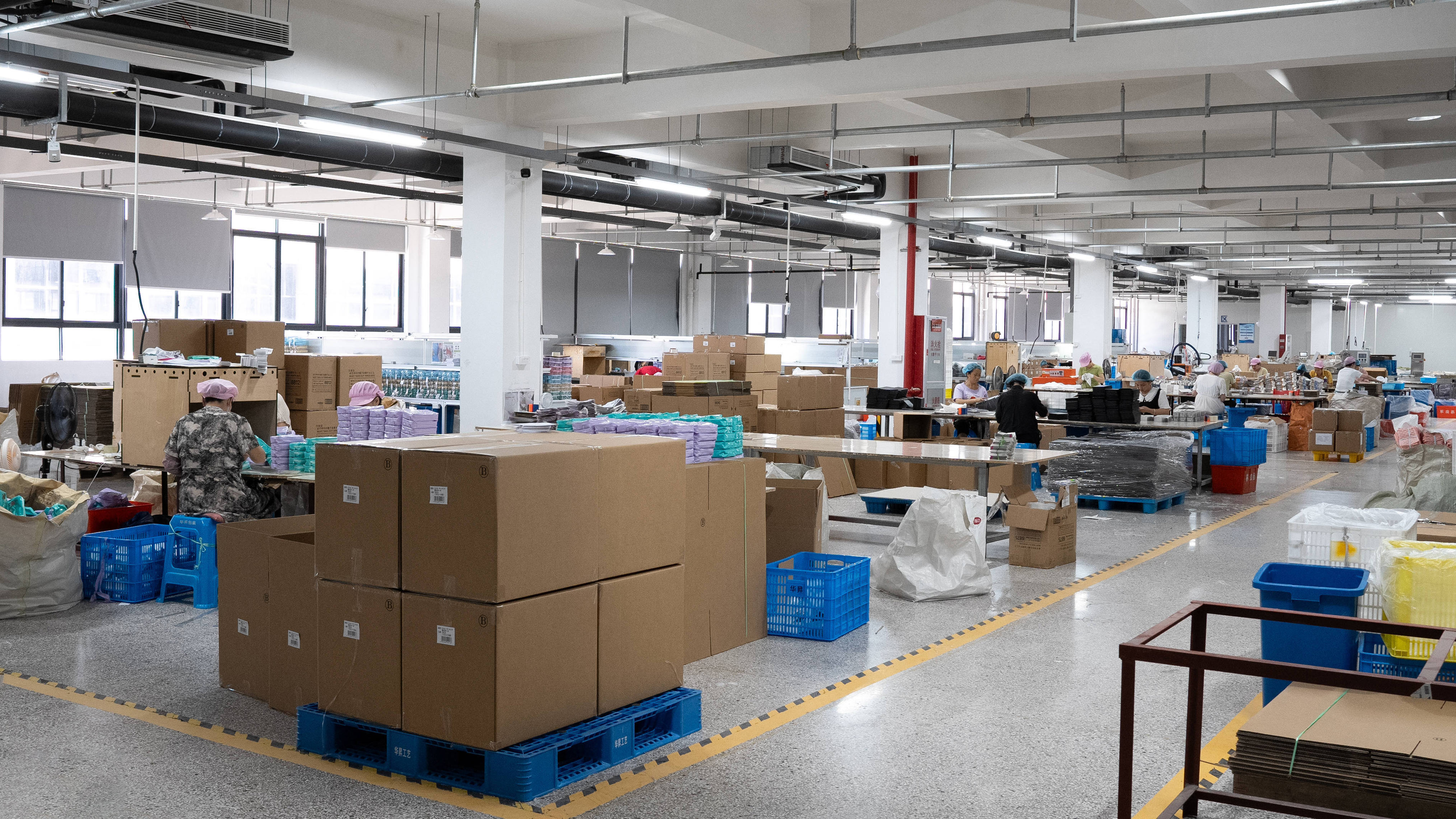
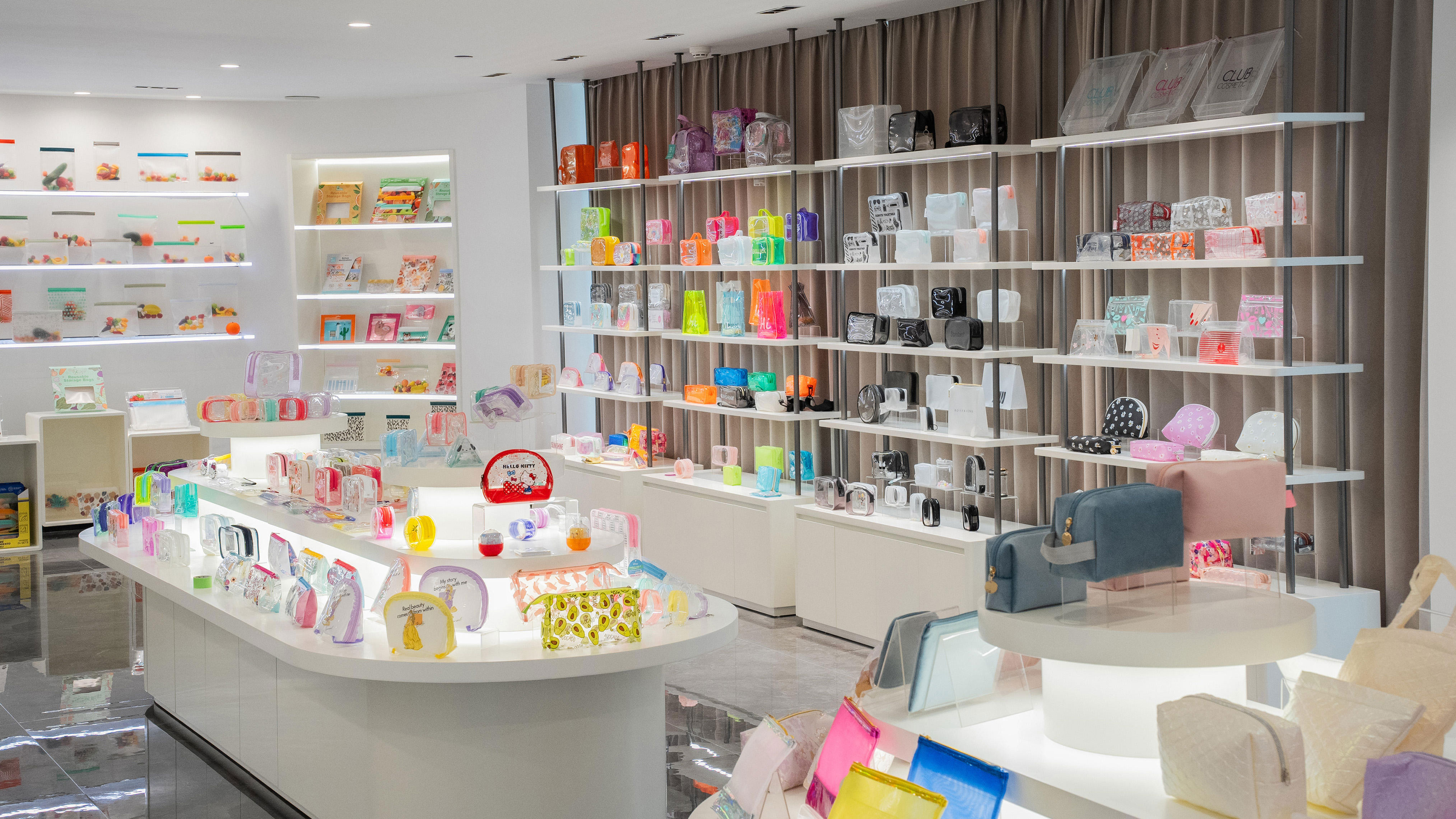
Keep the bag specification separate from the packing specification while maintaining the connection between them. Record which protective materials or presentation features are confirmed, which remain optional and which require a quotation. Do not assume that a showroom arrangement is the standard shipping method. The enterprise photographs accompanying this guide show workshop and display areas from Hansun's media library; they provide visual context, but they do not establish a particular packing capacity, staffing level, delivery commitment or the process used for a specific future order.
Send each supplier the same current construction drawing, intended-use description and review questions. Record any proposed alternative explicitly rather than treating it as directly equivalent to the requested design. A lower quotation may reflect different materials, handle construction or included services, while a higher quotation may include items the buyer did not request. The sample review should help expose those differences. It should not create an appearance of comparability when the underlying scope is still inconsistent or incomplete.
Use a comparison record that separates confirmed features, unresolved questions and proposed changes. Avoid choosing a supplier solely from a count of positive comments. One unresolved requirement may matter more than several attractive visual details. Ask the responsible buyer representative to explain the priority of each decision and preserve the reasons for the final choice. This creates a clearer handover to production and makes it easier to explain later why a specific material, handle or seam arrangement was approved for the order.
The approval record should identify the physical sample, current drawing, confirmed materials, artwork reference and any agreed functional evidence. Include the remaining conditions rather than labelling the whole product approved when an important item is still open. If approval is limited to appearance or to one component, say so explicitly. A precise status allows the project to progress without losing track of what purchasing and the supplier still need to resolve before a production commitment is made.
Keep an accessible reference copy and agree how the physical sample will be retained. When the buyer requests a later change, update the relevant documents and identify which earlier decisions remain valid. Do not assume that a reordered bag is identical because it has the same internal product name. A controlled reference set supports clearer conversations about substitutions, replenishment and future variants. It also reduces the chance that an old photograph or an unapproved development sample becomes the only description available to a new team member.
Suppose a buyer reviews a tote with a rigid presentation box inside and finds the handles inconvenient at the packing counter. The review record should identify the box, bag version and packing sequence before asking for a revision. The concern might relate to the opening, the usable handle drop or the way the handles fall across the panel. The buyer should describe the observed interference rather than immediately specifying a longer component. This leaves room for the supplier to explain alternative constructions that address the actual requirement.
If a revised sample changes only handle placement, compare it with the earlier sample using the same representative box and sequence. Keep artwork and material decisions visible so that the review does not accidentally approve a different panel or print position. Record the result as an observation for the identified samples, then obtain the responsible buyer's decision. This is a hypothetical design-review example, not a Hansun customer case or a test result. It illustrates how a narrow, traceable question can lead to a clearer approval without silently changing unrelated parts of the product brief.
Product pictures help identify available styles and visible design features. They do not establish that every photographed detail is included in a quotation or suitable for the buyer's intended contents. The pictures in this guide show carrying bags, tote designs and enterprise areas from Hansun's media library. Use them to explain the type of bag and the questions under discussion. Ask for the specific proposed construction and sample evidence instead of assuming that a visually similar product has an identical material, attachment method or performance.
A transparent carrying bag, a coloured tote and a light-coloured fabric bag can illustrate different panel and handle arrangements without proving their material composition or test results. The captions describe visible features only. When selecting a style, connect the chosen reference to a drawing and written specification. If a photograph conflicts with the current proposal, resolve the difference before approval. This makes the image a useful communication aid while keeping the actual purchasing decision grounded in the confirmed order details.
Send the intended contents, carrying scenario, approximate finished dimensions, artwork needs and the current construction references together. Identify the questions that the sample must answer and distinguish firm requirements from preferences. If a physical reference bag is available, explain which features should be followed and which should change. Avoid asking a supplier to copy every detail without review. Some features may be irrelevant to the new application, unconfirmed in the reference or dependent on a material that the buyer has not selected.
A useful enquiry ends with a clear next decision: confirming a construction, choosing between handle options or agreeing the evidence needed for a functional requirement. Request a response that identifies assumptions and open items, then review the resulting physical sample against the same brief. This gives custom bag sourcing a practical structure. The outcome is a documented product decision supported by the right references, rather than an informal approval based only on an attractive picture or a successful one-off carrying demonstration.
This website uses cookies to ensure you get the best experience on our website.

 Español
 Português
 日本語
 العربية



 Phone
Comment
(0)