

A custom bag order can be fully specified at the product level and still be difficult to receive. The correct fabric, handles and artwork do not tell a warehouse how the bags are folded, how different designs are separated or which carton belongs to which order line. Packing is therefore a useful subject for an early supplier conversation. It connects the approved product with the way a buyer intends to count, store and distribute it. This guide explains how to prepare that conversation without assuming a supplier's packing capabilities, inventing a standard carton quantity or treating a sample photograph as a complete shipping specification.
Begin with the destination of the finished bags. A distributor supplying several branches has a different receiving problem from a buyer delivering one design to a single office. An event organizer may need separate quantities for different locations, while a retailer may need each variation to remain identifiable during storage. Describe that real destination in the enquiry. The supplier can then explain available packing arrangements and the information needed to quote them. Keep any requested arrangement subject to confirmation. A detailed brief improves communication, but it does not establish that every proposed packing method is available for every material, construction or order size.
Use an identifiable product reference before discussing folds or bundles. Record the bag dimensions, construction, material description, artwork revision and approved sample reference. If several bags have the same outside dimensions but different prints, give them separate order-line identities. Descriptions such as blue tote or clear pouch can become ambiguous when an order contains similar variations. The receiving team should be able to match the packing record with the approved product without interpreting a photograph from memory. This identity remains useful even if the supplier later proposes a different carton arrangement that the buyer chooses to review and approve.
Do not let a packing sample silently replace the approved product sample. The product sample establishes the agreed design reference, while a packing sample demonstrates a particular presentation or arrangement. Both may be needed, but they answer different questions. Label each clearly and record any differences from the intended production order. A demonstration might use an unprinted sample to show folding, for example. That does not confirm how an approved printed panel will look after the same treatment. Ask which aspects remain to be checked with the actual material and artwork before treating the packing proposal as ready for production.

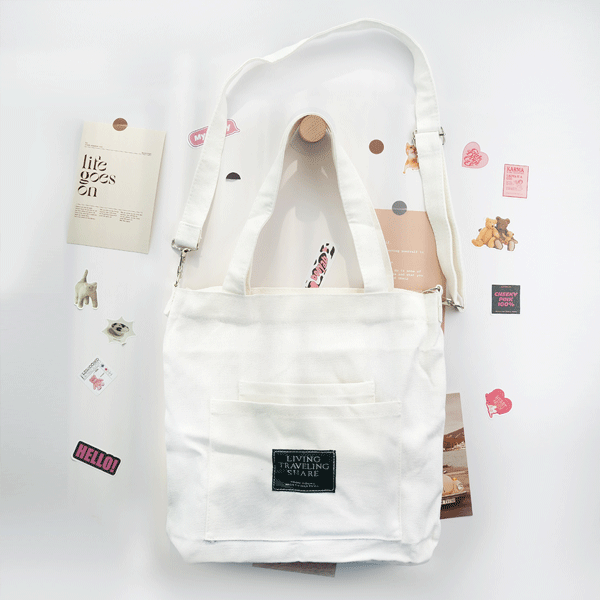
The photographs on this page show several bag styles and business settings. A transparent carrying bag, a fabric tote and a coloured tote present different design features for a buyer to discuss. They do not imply identical packing requirements or guaranteed packing services. Use those visible differences to make the enquiry more specific. A zipped opening, long handle or prominent printed panel may deserve its own presentation question. The supplier should confirm the proposed arrangement for the actual bag rather than relying on a general assumption that every item shown can be folded, bundled and packed in exactly the same way.
Folding affects presentation and carton use, but the appropriate arrangement depends on the bag. Ask the supplier to propose a packing sample for the identified product. Review what happens to the visible faces, handles, closure and any other feature that matters to the receiving team. Describe observed creases or changes in appearance factually instead of predicting how every material will behave. A photograph of one folded sample is not evidence of long-term storage performance. If appearance after storage is important to the order, define an appropriate review with the supplier and the people responsible for approving the product presentation.
The orientation of a fold should be described in relation to a named face or sample view. Phrases such as fold in half can be interpreted differently when a bag has a gusset, asymmetric print or handles of different construction. An annotated packing reference can help the parties understand the proposal. Keep it tied to the sample revision so that an artwork change does not leave the packing instruction outdated. Do not add a precise fold dimension merely to make a document look complete. Confirm it with the supplier where needed and check that it makes sense for the actual approved construction.
Review handles and closures as part of presentation rather than assuming they will fall into place. Ask how they are arranged in the proposed sample and what the receiving staff will see when opening a bundle. This is particularly useful for bags that will be distributed directly without further preparation. Record an agreed appearance reference where the order requires one. Avoid turning an illustrative packing picture into a broad durability claim. Whether a handle or closure remains suitable for the intended use depends on the approved product and the relevant evaluation, not simply on how neatly it is shown inside a carton.
A bundle should have an agreed meaning. It might be a convenient counting group, a distribution unit for one branch or a way to separate product variations. State that purpose before requesting a quantity. An arbitrary number can create extra work if it does not match the receiving team's process. Ask the supplier what arrangements can be offered and what tradeoffs they involve. Keep the proposed bundle quantity separate from the total order quantity. This allows both parties to identify partial bundles and prevents a packing change from being mistaken for a change in the number of bags being purchased.

Describe how a bundle is identified without assuming a particular material or closure. The buyer may need a product code, artwork reference and quantity to remain associated with it. The supplier should confirm how those details can be presented under the proposed arrangement. Do not infer packing-material composition or environmental properties from a photograph. If those properties affect the purchase, request the relevant specification and supporting information. A simple label and a confirmed bundle definition can solve a counting problem, but neither is a substitute for verifying the actual bag, packaging materials and service scope being ordered.
Plan for the remainder when the order quantity does not divide evenly into the chosen bundle size. A partial bundle should be visible in the packing record and distinguishable at receipt. Otherwise, a warehouse may assume that every group has the same quantity and create a stock discrepancy. Agree how the partial group will be identified and where its quantity appears. There is no universal best location or format for that information; the buyer's receiving process and the supplier's available arrangements should guide the decision. The important result is a shared interpretation that does not depend on one person's verbal explanation.
Variation control becomes more important when differences are subtle. Two bags may share a material and shape while carrying different branch names or campaign artwork. A carton described only as custom bags will not explain which variation is inside. Give every ordered variation a clear reference and carry it consistently through the sample approval, order confirmation and packing record. If the buyer wants mixed cartons, state the intended assortment explicitly. Do not assume that a supplier will interpret mixed as equal quantities, a random assortment or a particular sequence. Each of those interpretations creates a different receiving task.
Use plain-language descriptions alongside internal codes when appropriate. A stock code may be efficient for the buyer's system but unfamiliar to the supplier or a temporary receiving team. A short design description can help people notice an obvious mismatch. Keep that description specific enough to distinguish the variation without copying long marketing text onto every record. For example, the artwork revision and a named print face may be more useful than a broad campaign slogan. If images are added to the packing reference, make sure they correspond to the approved version and remain readable in the format actually being used.
Changes need to be communicated across the whole record. A revised artwork file can leave the bag dimensions and material unchanged while creating a new product identity for receiving purposes. Check whether the carton label, bundle reference and packing list also need revision. Do not overwrite the previous file without preserving a way to identify earlier approvals. The goal is to ensure that a supplier, buyer and warehouse all mean the same thing when they refer to the current design. A clear revision record reduces ambiguity, but it does not prove that production has followed the revision until the goods are checked.
Ask the receiving team which carton fields it actually uses. Order number, product reference, variation, quantity and carton sequence may be relevant, but the final fields should follow the real workflow. Distinguish buyer-required information from carrier or destination requirements that need separate confirmation. This article does not establish mandatory shipping marks for a particular route. Where a logistics provider or importer has specific requirements, obtain them from the responsible party. The supplier can then confirm the proposed implementation. Keeping those sources visible prevents an informal example from being mistaken for a complete regulatory or transport instruction.
Carton quantity, dimensions and weight should be confirmed for the actual packed goods. An estimate can support early planning, but it should remain labelled as an estimate until verified. A change in bag material, size or folding arrangement may affect the packing proposal. Request an updated record when the product changes rather than reusing figures from a different order. Avoid promising a particular freight cost based on an unconfirmed carton plan. The useful purchasing action is to identify which packing measurements are preliminary, who will verify them and when the buyer will receive the confirmed information for its logistics review.
Carton sequencing can help a warehouse reconcile a delivery, especially when several product variations are involved. Agree what the sequence refers to: all cartons in the order, cartons for a specific variation or cartons assigned to a particular destination. A sequence without that definition can be misleading. If an order is divided into shipments, clarify how the records will distinguish them. Do not assume that carton numbers alone establish shipment completeness. They should be assessed together with the confirmed packing list, order lines and the actual receiving count, using the buyer's normal process for investigating any discrepancy.
A packing confirmation should answer a defined question. A general photograph of closed cartons may show that cartons exist, but it does not establish the product variation, count or arrangement inside them. Ask for the evidence appropriate to the agreed packing plan and available service scope. That may involve an identified packed sample or a record linking the visible arrangement to the order. Avoid requesting large amounts of imagery without explaining what the buyer needs to verify. A concise evidence list is easier to review and less likely to leave an important packing question hidden among unrelated pictures.

Define who approves the packing reference and what the approval covers. One person may review artwork presentation, while another checks the bundle quantities and carton information. Their decisions should not be merged into an undefined message saying looks good. Record whether a point is approved, requires revision or remains unverified. If the buyer accepts a proposed change, update the relevant reference before production proceeds under that change. Approval of a packing sample does not automatically approve a material substitution or altered bag construction. Those changes need their own review through the established product approval process.
Document exclusions as well as inclusions where they affect expectations. If individual presentation packaging, branch-specific bundling or another requested service has not been confirmed, leave it open rather than implying it is included. Ask the supplier to identify the commercial and practical implications of the request. This makes quotation comparisons more transparent. Two offers for the same bag may include different packing arrangements, so a headline unit price may not represent an equivalent scope. The buyer should assess the confirmed combination of product, packing and service against its needs without inventing costs or assuming that a more elaborate arrangement is always preferable.
Receiving begins with the delivery record and the visible condition of the shipment. The buyer should use its established inspection process and agreed responsibilities. This guide does not prescribe a sampling standard, acceptance limit or claims deadline. Those details depend on the contract and the parties involved. The packing brief can still make receiving easier by ensuring that order lines, variation references and quantities have clear meanings. Record discrepancies factually and preserve the connection between the observation and the relevant carton or bundle. An issue is easier to investigate when the evidence identifies exactly which part of the delivery it concerns.
Separate a packing discrepancy from a product discrepancy in the receiving notes. An incorrect bundle label may affect identification even when the bag itself matches the approved sample. A visible product difference may require a separate technical review. Neither should be dismissed, but they need different follow-up questions. Avoid assigning a cause from a single photograph. Ask the supplier to review the identified evidence against the confirmed order and packing reference. Maintaining this distinction helps the buyer communicate the problem clearly without turning an initial receiving observation into an unsupported allegation about the entire shipment or the supplier's general quality.

When the receiving count differs from the packing record, clarify what was counted. Were the figures cartons, bundles or individual bags? Did the record include partial bundles or separate variations? An apparent discrepancy can arise when units are interpreted differently, although a real shortfall must still be investigated through the agreed process. Preserve the original records while checking the definitions. Do not silently adjust the order quantity to make two documents agree. The objective is a traceable reconciliation that explains the confirmed goods and any unresolved difference, with the responsible parties able to review the same evidence.
A packing plan can support distribution after receiving if it reflects the buyer's actual destination needs. For example, separately identified variation groups may help staff allocate bags to branches without reopening every carton to identify the artwork. That benefit should be assessed against the confirmed arrangement rather than assumed. Ask the receiving and distribution teams to review a proposed reference together. If they use different codes, document the connection. Do not add unneeded complexity solely because a template includes more fields. Every required field should have a clear purpose and an owner who will keep its information accurate.
Store the final packing reference with the approved product and artwork records for a repeat order. A reorder description such as same as last time is incomplete if the previous order contained several variations or a temporary distribution arrangement. Confirm what stays the same and what changes. Recheck quantities, destinations, artwork revisions and any preliminary packing measurements affected by the new order. A previous satisfactory delivery is useful evidence of that specific delivery, not a guarantee that every later configuration will behave identically. A controlled reorder brief helps the supplier and buyer preserve the decisions they actually intend to repeat.
Feedback from receiving should lead to a specific improvement rather than an expanding collection of informal exceptions. If staff repeatedly confuse two variation labels, identify the source of confusion and propose a clearer reference. Review the change with the supplier before treating it as an established instruction. Keep the previous reference available where it explains older deliveries. This makes the improvement understandable to anyone joining the project later. It also prevents an internal warehouse preference from being presented as a supplier commitment that was never discussed, quoted or approved for the next production order.
Imagine an illustrative order containing two designs on the same tote construction, with one design intended for a separate branch. Before asking for a price, show how the order lines connect to the intended destinations. Ask whether the proposed bundles and carton references allow the receiving team to distinguish the two designs using the confirmed packing record. If the branch needs only part of one carton quantity, identify that as an internal distribution question or a requested supplier service, as appropriate. Do not assume that the supplier will divide the goods by destination unless the arrangement has been discussed and included in the confirmed scope.

Review the same example from the supplier's perspective. Could a person preparing the order identify the correct artwork file, the required quantities and the approved packing reference without interpreting an old message? If the answer depends on recognizing a small visual difference, improve the written reference before relying on it. Then review it from the warehouse perspective: can the staff reconcile the delivered variations with the order breakdown? These checks are planning exercises rather than evidence that a particular supplier process has passed inspection. They help the buyer ask more precise questions and decide what needs to be demonstrated through an identified sample or confirmed record before the actual order is released.
Should packing be discussed before approving a custom bag order? Yes, because the way goods are identified and presented can affect receiving and distribution. Start with the approved product reference and explain the intended destination. Ask the supplier to propose a confirmed arrangement rather than assuming a universal fold or carton quantity. If the packing review requires an actual printed sample, identify that need early. The buyer can then assess product appearance and handling-unit information before the order is treated as fully defined. A clear packing discussion complements the product specification instead of replacing its material, construction and artwork requirements.
Can the same packing arrangement be used for transparent bags and fabric totes? It should be reviewed for each identified product. Different constructions and visible features may lead the buyer to ask different presentation questions. A previous packing sample can be a starting reference, but it is not proof that every material and design should use the same arrangement. Ask the supplier to explain the proposal and check the sample that represents the actual order. Keep any conclusions limited to what was reviewed. This avoids turning a convenient example into an unsupported statement about storage behaviour or suitability across the supplier's whole product range.
What should a buyer send Hansun when asking about packing? Send the product and artwork references, order-line quantities, variation list, intended receiving process and any confirmed destination requirements. Include a concise explanation of current difficulties, such as mixed designs or unclear partial quantities. Ask which packing options can be offered for the specific bag and how they will be documented. Hansun's product, workshop and showroom images provide visual context for that conversation; they do not independently verify a packing promise or shipping outcome. The next useful step is a mutually understood proposal that can be reviewed against a representative sample and the buyer's receiving needs.
This website uses cookies to ensure you get the best experience on our website.

 Español
 Português
 日本語
 العربية



 Phone
Comment
(0)