

A custom bag can move through several versions before a buyer is ready to order. Handle length changes, a revised pocket, a different lining or a new logo position may each seem minor when discussed separately. Together they can leave the buyer and supplier working from different versions of the product. Good supplier communication keeps every change connected to the same identifiable sample and specification.
For buyers discussing bags with Zhejiang Hansun Crafts Co., Ltd., a controlled sample process is a practical way to make decisions visible. This guide explains how to brief a revision, review a new sample and record what was actually approved. It does not assume a particular production capability, minimum order quantity or delivery commitment. Those details should be confirmed for the exact bag and order being considered.
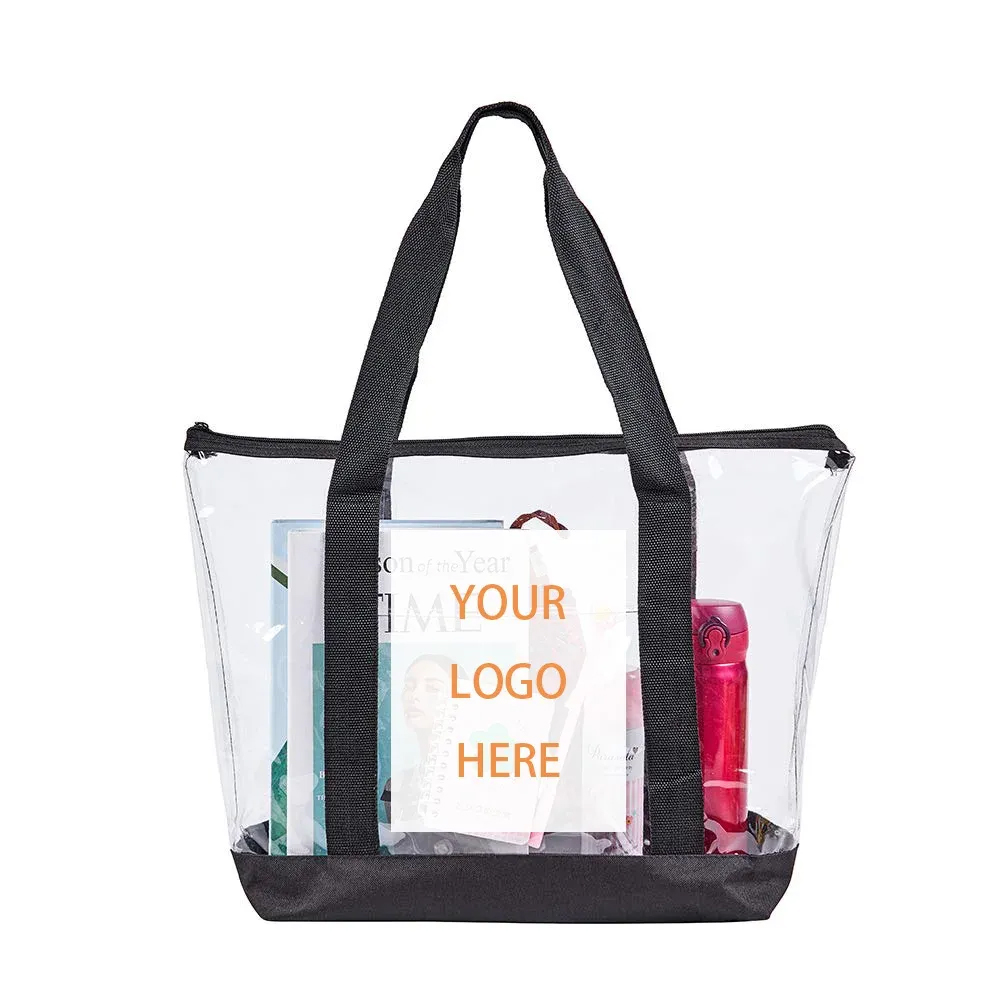
Assign a project reference before sending a design brief or requesting a sample. Use it in file names, photographs and messages so that related information remains recognizable when several bags are under discussion. A descriptive reference can distinguish a tote, pouch and carrying bag without depending on a changing marketing name. Keep the same project identity even when individual design versions change during development.
Separate that stable project reference from the sample revision. For example, a buyer may have one project with an initial sample, a revised handle version and a later artwork version. These should not become three unrelated message threads with no connection. The distinction helps purchasing, design and quality colleagues understand which overall product is being discussed and which physical version a particular comment describes.
Before reviewing a sample, write down the information that defines the requested bag. This can include material identification, finished dimensions, construction, handles, closure, pockets, lining, artwork and packing. Where a detail is undecided, mark it as open. A blank field is ambiguous because one person may interpret it as an instruction to copy the sample while another treats it as permission to choose an alternative.
Connect each important requirement to the appropriate evidence. A dimensioned sketch may define the overall size, a labeled photograph may show a pocket location and a physical swatch may represent the requested material appearance. These sources should agree. If they conflict, resolve the difference before asking for a revised sample; otherwise the supplier has to guess which reference has priority for the next version.
Label each physical sample and record when it was received. Photograph the label with the bag so that an image remains connected to the right version after it is forwarded. If two samples look similar, include a distinguishing reference in every review. A comment that only says the blue bag is correct may be unclear when two different blue samples have been sent.
Record whether a sample is intended to demonstrate construction, material, print placement or the complete proposed product. A development sample may use a temporary fabric or an unfinished label, but that limitation needs to be explicit. Approval of one demonstrated feature should not silently become approval of every visible feature. The review record should show which parts are representative and which still require a later sample or written confirmation.
An observation describes the sample as received, while a revision request describes what the buyer wants changed. Keep both in the review. For example, the observation might record that a handle feels short during a practical check; the request should define the desired finished measurement and the reference points used. Without that second part, the supplier cannot know what revised result would satisfy the buyer.
Avoid comments such as improve quality or make it premium without a visible criterion. Explain the specific feature, its location and the intended result. If the buyer cannot yet define the change, ask for options or a clarification discussion instead of pretending the instruction is complete. This keeps an exploratory design conversation separate from an approved direction that the supplier can use to make a new sample.

A practical revision table can contain the feature, current condition, requested change, reference file, decision owner and status. It need not be complicated. The purpose is to prevent a request from disappearing among messages about price or shipping. Numbering the items also lets the supplier answer each point directly, including any question that must be resolved before a change can be made.
Keep closed items visible in the project history but separate them from the active revision list. If an earlier request is withdrawn, mark it as withdrawn rather than deleting it without explanation. This matters when a supplier has already prepared a sample using the previous instruction. The buyer can then see whether the next sample should incorporate the change or follow a later agreed decision.
State how finished dimensions are measured. A tote's width measured flat is different from its usable internal width when filled, and a gusset may be included or excluded from an informal description. A sketch showing the measurement points is often clearer than a list of numbers alone. Include the units and distinguish finished dimensions from cutting dimensions used during manufacturing.
When reviewing the sample, use the same method recorded in the specification. If the buyer changes the method midway, note the change so that earlier measurements are not compared as though they were identical. Where a tolerance matters, agree it explicitly rather than deriving it from a photograph. The supplier and buyer should understand the target and the permitted variation before a dimension becomes an approval criterion.
A material change can affect appearance, flexibility, print behavior and how a bag holds its shape. Record the requested material identification and the reason for considering an alternative. Do not approve a new fabric only through a distant photograph if texture or handling is important. Ask for an identified swatch or representative sample so that the change can be assessed against the intended use.
Keep material descriptions factual. A visual resemblance does not establish fiber composition, recycled content, biodegradability or a certification. If such a property is part of the buying requirement, request applicable supporting information for the actual material and product. Mark any unverified claim as unresolved. A revision approval should not turn a supplier's general promotional phrase into an agreed, evidenced characteristic of the bag.
Handle feedback should distinguish length, width, material, spacing and attachment arrangement. A request to lengthen the handle may affect how the bag sits against the body or how it fits the intended contents. Describe the practical use being assessed without treating that observation as a universal comfort claim. The relevant decision is whether this sample meets the buyer's defined use and dimensional brief.
Photograph the attachment area and identify any requested construction change precisely. Do not assume that a different visible stitch pattern establishes a particular carrying capacity. If load performance is required, agree a suitable evaluation method and the product configuration to be assessed. The sample review can record visible construction, while a separate documented check addresses any performance requirement that cannot be established by appearance alone.
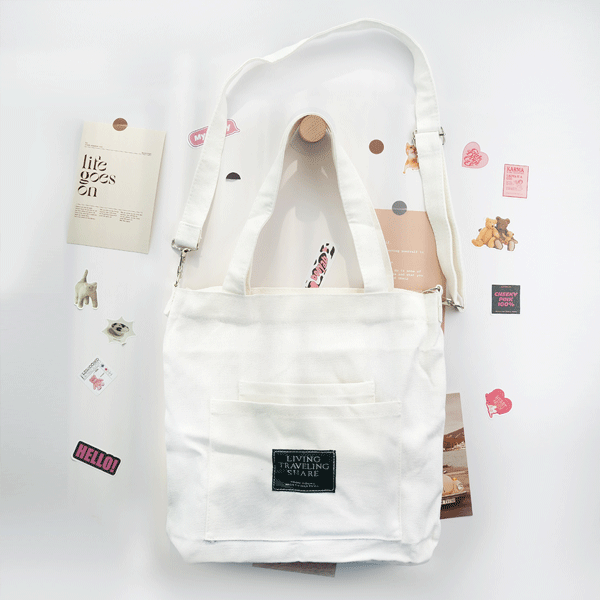
For a zipper, drawstring, snap or other closure, explain what the bag is expected to contain and how the user is intended to access it. Record the selected component reference where available and distinguish the closure opening from the overall bag width. A sample may look correct when empty but be inconvenient to use with the buyer's intended contents, so practical fit checks should be part of the review.
If the buyer requests a different closure, specify whether the change concerns color, dimensions, pull style, opening direction or another feature. Ask the supplier to identify any effect on construction or the sample plan. Do not assume every substitute is immediately available or commercially equivalent. The revised quotation and schedule should reflect the component actually agreed, rather than an earlier version that remains in a separate message.
Pocket requests should identify the position, opening direction, finished size and intended contents. A photograph with an arrow can locate the pocket, but it should be paired with dimensions when size matters. If the contents are supplied as a reference item, identify their dimensions too. This avoids approving a pocket simply because it resembles the drawing while failing the intended practical fit check.
For lining changes, record the material and any construction detail that the buyer considers important. Explain whether a sample is being reviewed inside out for construction visibility or in its normal finished condition. Keep observations about seam appearance separate from unsupported durability claims. The review should make it possible to reproduce an agreed feature and to identify where further evidence or another sample is needed.
Artwork should have a file reference and version that can be matched to the sample. Record the intended print area, orientation, color reference and position relative to defined bag features. A logo displayed on a screen is not automatically a production-ready file. Ask the supplier to confirm what file format and preparation are required for the proposed printing or decoration method before a revised sample is requested.
When artwork changes, specify whether the previous file is fully replaced or whether only a particular detail changes. Retain the old file for history but clearly identify the active version. A supplier should not have to assemble a new logo from fragments in several messages. This is especially important when text, dimensions and placement are approved by different people who may otherwise confirm incompatible versions.
A digital proof can help confirm the intended arrangement of text and artwork, but it does not demonstrate fabric texture, sewn construction or the final printed appearance on the chosen material. State what the proof approval covers. If color, surface effect or placement on a finished bag is critical, identify the physical evidence needed before the buyer considers that part of the project approved.
Likewise, approval of an unprinted construction sample should not be interpreted as approval of later artwork execution. Link the relevant proof and physical sample references in the record. This lets the supplier see the complete decision without combining unrelated approvals by assumption. The buyer can then identify the remaining open point rather than discovering it after the order has moved beyond the sample stage.

Several people may review the same bag for branding, practical use and purchasing. Nominate one person to consolidate the final instructions before they go to the supplier. Internal disagreement should be resolved or explicitly listed as open. Sending contradictory comments from different reviewers creates uncertainty and may result in a sample that follows one person's message but misses another person's later expectation.
Use a clear hierarchy for references if the project needs one, such as an approved specification taking priority over an older sketch. Do not invent a hierarchy after a disagreement has occurred. Record the rule when the documents are issued, and ensure the supplier acknowledges any material conflict. This keeps communication focused on the agreed product rather than on reconstructing which message was meant to override another.
Send the revision list in a format that allows a direct response against each item. Ask the supplier to identify accepted changes, questions, proposed alternatives and items requiring a new quotation. A general reply that everything is understood may be insufficient when several details are technically or commercially different. Point-by-point confirmation exposes gaps while there is still time to resolve them in the sample process.
If the supplier proposes an alternative, keep it as a proposal until the buyer decides. Do not replace the specification merely because the alternative appears in a message. Record the decision and update the active document only after the responsible person approves it. The aim is to give both sides a shared reference, with a visible distinction between a request, a suggestion and a confirmed instruction.
A revised bag may no longer match the original quotation. Ask whether the changes affect the quoted material, component choices, packing, sample arrangements or production schedule. Do not assume that an earlier price remains applicable to a different construction. The quotation should identify the version being offered so that a purchasing colleague can compare the commercial response with the actual product that has been approved.
Keep sample approval and order authorization separate. A buyer may approve a design feature while still negotiating quantity or other commercial terms. State this clearly rather than using a brief approval message that could be misunderstood as permission to proceed with an entire order. Any commitment to production should follow the buyer's normal purchasing process and reference the complete, current product and commercial specification.
When the new sample arrives, review every active revision item and the key features that were intended to remain unchanged. A successful handle correction does not prove that the pocket, lining and artwork are still correct. Use the revision table as a guide, mark each result and identify any unexpected difference. Photograph both the corrected feature and any new issue that needs a further decision.
Record the review outcome against the new sample reference. Avoid overwriting the earlier review because it explains how the project reached its current state. If a requested change cannot be assessed from the sample, state why and identify the missing evidence. A sample that looks promising may still be only partially reviewed; the record should not label it fully approved until the required checks have been completed.

Where a physical approval sample is used, agree who holds it and how its identity is recorded. The buyer and supplier should be able to identify the same version through labels and photographs. Store it in a condition suitable for future comparison. An unlabeled bag kept in an office can become misleading if it is later confused with an earlier development version or a different material option.
Define what the approval sample represents and which written requirements remain controlling. Physical samples can change through handling or storage, and they may not demonstrate every required property. A complete approval record therefore links the sample to the specification, artwork, material identification and any separate evaluation evidence. It should also preserve exclusions and open questions rather than concealing them behind the word approved.
Bag presentation can be affected by folding, inserts, individual wrapping or how items are arranged in a carton. Record the agreed packing method and any labeling requirement with the approved product version. A construction sample delivered loosely does not demonstrate the final packing arrangement. If the buyer needs to review packing, request representative evidence and explain what aspect will be assessed before order confirmation.
Separate product packing from transport arrangements and commercial shipping terms. A photograph of a packed sample cannot establish the condition of a future shipment. The purpose of the packing review is to define the requested method and identify potential misunderstandings, such as whether handles are folded inside or whether different colors are mixed. Keep any performance-related packing requirement tied to an agreed evaluation rather than an unsupported assurance.
For a reorder, retrieve the previous approved specification and sample reference instead of relying on a message that says same as last time. Confirm whether materials, components, artwork and packing remain available and unchanged. A previously approved appearance does not establish that every input can be supplied in exactly the same form indefinitely. Ask the supplier to identify changes before the new order is finalized.
Give the reorder its own order reference while keeping the link to the approved product version. If a change is accepted, create a new revision rather than silently modifying the old approval. This lets the buyer distinguish a deliberate update from an unexplained difference at receiving inspection. The record becomes a practical tool for repeat purchasing instead of an archive that nobody can confidently use.
Photograph the revised bag in a way that makes comparison possible. Keep the sample label visible in at least one overall view and use consistent orientation for the front, back and interior. When a comment concerns a particular detail, include both an overall location view and a close-up. This prevents a correct observation from being assigned to the wrong pocket, seam or side of the bag after the files are forwarded.
Recognize the limits of photographic comparison, especially for color and texture. Different lighting, screens and camera processing can change the visible result. If a physical reference is required for a decision, identify it in the review instead of treating screen appearance as the final standard. Photos remain useful supporting records, but their role should be clear enough that a later reviewer does not mistake them for evidence of an unmeasured material property.
Identify who can approve product details and who can authorize commercial commitments under the buyer's own process. A designer may confirm artwork while purchasing remains responsible for the order. Record these scopes so that the supplier does not have to infer authority from whoever replied most recently. If the responsible person changes, pass on the current specification and open decisions before the next revision is requested.
When an internal reviewer asks for a late change, assess it against the already approved version and the supplier's current stage. Request a clear response about feasibility and commercial implications rather than assuming the change can be absorbed. The purpose is to make the decision explicit. A late request should have a new status and reference, not appear as an unexplained alteration to a document previously described as final.
Before the buyer authorizes the agreed next stage, assemble the active specification, sample reference, artwork version, packing requirements and commercial reference in one indexed package. Include a list of exceptions if any remain. The supplier should be able to see which files apply without sorting through development alternatives. Keep the package concise enough to use, while preserving the historical versions elsewhere for traceability.
Ask for acknowledgment of the actual package reference and resolve any mismatch before relying on it. If the supplier quotes a different version, clarify the difference rather than assuming the documents are equivalent. This final cross-check connects product decisions to the order the buyer is considering. It does not establish future production quality by itself, but it provides a clear basis for the agreed inspection and acceptance process.
A short approval message may be adequate only when its scope and reference are unmistakable. Identify the sample version, document revision and features being approved, together with any exceptions. If the approval covers artwork placement but not material or construction, say so. Clear scope protects both parties from treating a limited design decision as acceptance of every feature or authorization for a complete commercial order.
For important projects, use the buyer's normal approval process and keep the consolidated record with purchasing documents. The objective is not to generate unnecessary administration. It is to ensure that another colleague can understand the decision without reading an entire conversation. A concise, precise approval linked to identifiable evidence is more useful than a lengthy message that never states which version is accepted.
Ask for the substitute's identification, the reason it is proposed and the features that differ from the original request. Decide what evidence is needed to review the change, such as a swatch, component sample or revised finished bag. Do not assume that a similar color or photograph proves equivalence. Keep the substitution open until the responsible buyer has assessed the relevant differences and recorded a decision.
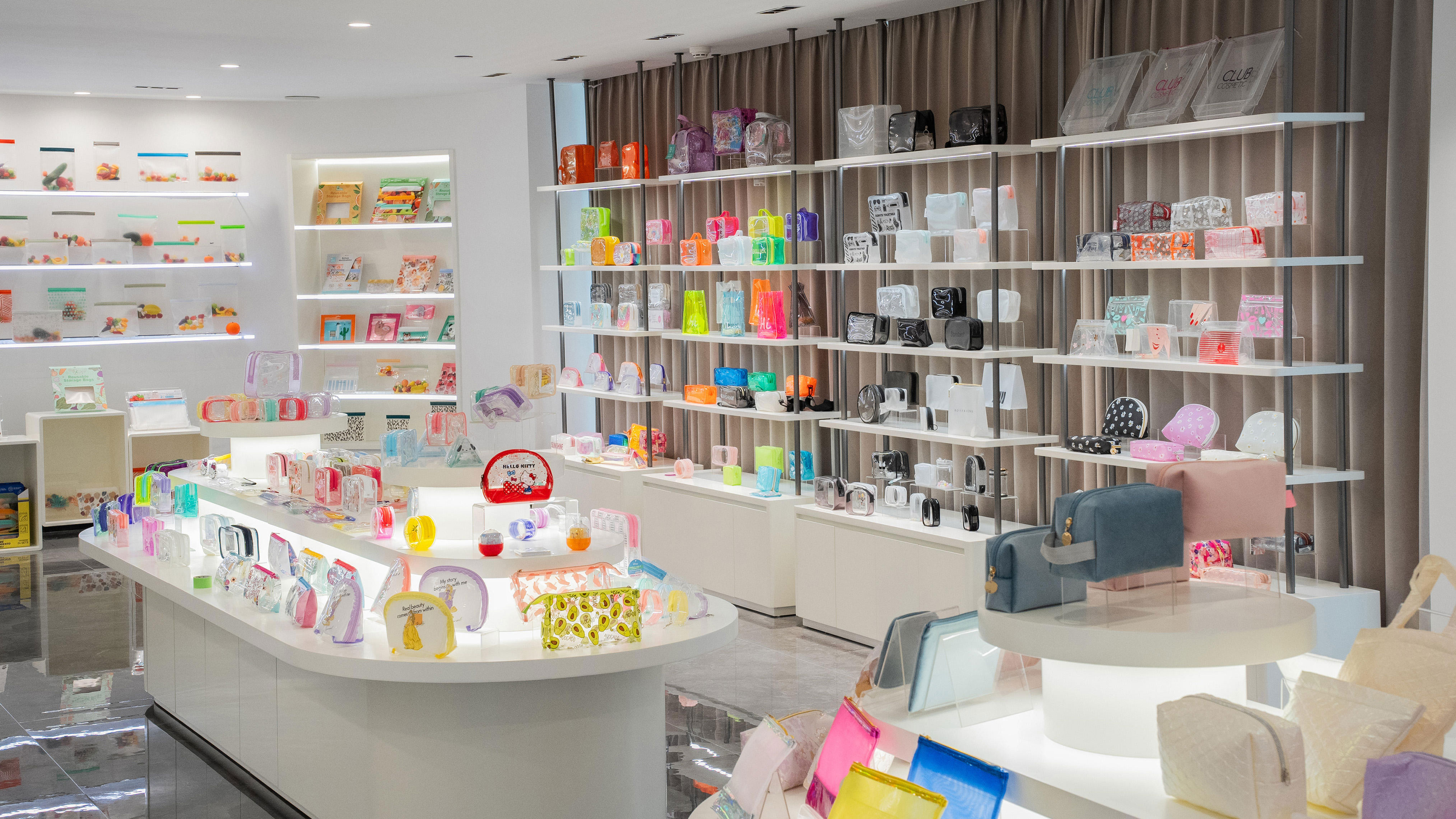
The product and workshop photographs in this guide illustrate bag styles and working areas from Hansun's media library. They do not constitute approval samples for a new order or proof of an unverified capability. Use them to support a specific discussion, then confirm the proposed bag through its own brief, revision history and approval evidence. That process gives both buyer and supplier a reliable basis for the next step.
This website uses cookies to ensure you get the best experience on our website.

 Español
 Português
 日本語
 العربية



 Phone
Comment
(0)