

A printed bag is a three-dimensional object, while the first artwork file is usually a flat drawing. That difference explains many avoidable disagreements in custom bag sourcing. A logo that looks centered on a screen may appear close to a seam on a filled bag. A design approved on one panel may not account for the handles, a pocket or the way the opening changes shape. Before requesting a production quotation, the buyer should make the intended print placement understandable on the actual bag construction.
This guide describes a practical artwork and placement brief for discussions with Zhejiang Hansun Crafts. It covers information organization, physical sample review and approval records. It does not claim that every fabric, plastic material, ink, decoration method or artwork effect is available on every bag. The actual construction, material and proposed decoration process must be confirmed for the individual order. Photographs can show design references, but they do not establish composition, color accuracy or a printing method by themselves.
Start with a unique reference for the bag construction. Record the selected material description, panel arrangement, handles, opening and any pockets or closures that affect the visible surface. Attach a clear photograph or drawing of the physical sample that the artwork is intended to follow. If the construction is still being developed, mark the drawing as a proposal. Do not use the same reference for two bags that differ in gusset depth or handle attachment merely because their front views look similar.
State which physical sample controls the discussion and where that sample is held. If several people have similar samples, give them individual identifiers and confirm whether they are equivalent. A purchasing team may otherwise discuss a logo position on one version while the supplier measures another. The artwork brief should connect the construction and its visible surfaces before anyone decides how large a design can be. That connection is especially useful when a sample is photographed empty but will be evaluated in use with contents inside.
Name each face consistently. Front, back, side panel, base and pocket are useful only when the drawing makes their orientation clear. Show the handles and opening so that the reader can understand which way the design should face when the bag is carried or placed on a counter. A mirrored layout or an upside-down back print is much easier to prevent in a labeled drawing than to resolve after decoration has been completed.
For a bag with gussets or a shaped base, distinguish the flat panel from the surfaces that turn away when the bag is filled. The buyer may want a design to appear centered on the usable face rather than centered across the entire unfolded fabric piece. Explain that visual intention and ask the supplier how it relates to the proposed construction. Do not calculate a usable print area solely from the advertised overall dimensions. The relationship between dimensions and seams must be checked on the actual bag reference.
Use identifiable edges or construction features as reference points for placement. A dimension measured from the top opening may mean something different from one measured from the top stitch line. A dimension to the visible edge of a logo may differ from one to its artwork boundary if the file contains empty space. Put these definitions in the drawing. State the unit of measurement and keep the same convention throughout the brief so that reviewers do not have to translate between several informal descriptions.
The supplier should confirm which placement references can be used for the proposed process and construction. Some features may move when the bag is flattened, turned or assembled. Record the agreed method rather than adding a tolerance copied from an unrelated product. When a sample is assessed, use the same measurement references that were approved. A buyer and supplier can otherwise measure the same print from different starting points and appear to disagree even when the physical bag has not changed.
A digital file can include a larger canvas, an invisible clipping area or empty space around the actual graphic. Ask the designer to identify the visible design boundary and the intended final size. If the artwork includes several separated elements, show whether the size refers to the whole composition or to one element. A large empty border around a small logo should not accidentally become the basis for calculating its placement on the panel.
Keep the original editable artwork separate from the review copy. The editable version preserves the design information needed by the responsible designer or approved production partner. The review copy should make the size, orientation and placement easy to inspect without requiring every buyer to operate the design software. Agree which file controls each part of the approval. A screenshot in a message may help discussion, but it should not silently replace the final artwork file or a signed placement drawing.
Describe the desired appearance and ask which proposed decoration method suits the confirmed material and construction. A bold one-color mark, a fine line drawing and a full-color image can raise different questions. The buyer should not assume that a method used on one sample is suitable for another bag merely because both appear white or have similar dimensions. Material surface, construction sequence and the intended use can all affect the proposed approach.

Ask the supplier to identify the proposed method in the quotation or technical discussion. Keep that method connected to the specific artwork and bag reference. If the method changes during development, review the consequences for appearance and sample approval instead of treating it as an invisible production detail. This framework does not provide a universal ranking of printing methods. It helps the buyer understand what is being proposed and which characteristics of the final decorated bag still need to be confirmed.
A color displayed on a monitor depends on the screen, lighting and file presentation. A photograph of a bag also reflects the camera and the surrounding light. Use such images to communicate an initial direction, then agree on the appropriate physical or specified color reference for the order. State whether the reference concerns the bag material, the printed decoration or both. Those surfaces may respond differently to the same lighting conditions.
When a physical color sample is approved, identify it and record the observation conditions that matter to the decision. Do not assign a universal color tolerance without an agreed method and an application-specific requirement. If a buyer accepts a visual difference for one component, record that acceptance for the component concerned. It should not automatically authorize a similar difference in the logo or another bag style. Keeping the references distinct helps the supplier understand which visual relationships are important to the brand presentation.
An enlarged digital proof can hide how a small word or a thin line will appear on the finished bag. Review the artwork at its intended physical size and ask the supplier which details require a sample check with the proposed process. A design that is readable on a large screen should not be assumed readable from the expected viewing distance. Identify any legal or mandatory wording that the buyer is responsible for supplying accurately, and have the appropriate owner review that wording.
Do not make unverified claims about a supplier's minimum printable line width or text size. Ask for the relevant process guidance and assess an identified sample where needed. If the designer simplifies a detail to improve the proposed result, retain both the original and revised versions with a clear revision note. A change to a letter, symbol or line can affect brand recognition. The artwork owner should approve the revised design before it is treated as the production reference.
Show the features that can interrupt the intended graphic. A handle attachment, pocket opening, seam or closure may occupy part of the visible panel or affect how that panel lies during decoration. The brief should show where those features are located on the construction reference. If a design crosses a join, ask how the proposed process and assembly will handle that relationship. Do not assume perfect alignment across separately assembled components without a specific agreement supported by the sample review.
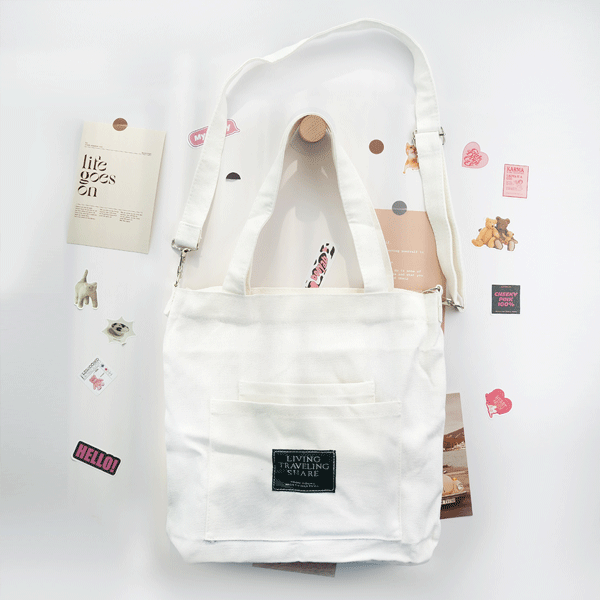
Consider the bag in more than one position. The top of a tote may gather when lifted, while a transparent bag may show the contents behind the graphic. A pocket may cover a portion of a larger design when filled. These effects can be part of the intended appearance, but they should be visible to the buyer before approval. The purpose is to review real presentation conditions, rather than to judge every design only from a carefully arranged flat photograph.
Choose representative contents for a display review and identify them as a review aid, not as evidence of a tested carrying capacity. Record how the bag was arranged and which face was photographed. The filled shape may change the apparent center of the design or reveal that part of the graphic sits close to a fold. Keep those observations separate from any performance evaluation that would require its own agreed method and acceptance criteria.
A filled sample also helps different departments discuss the same visual result. A designer may prefer the balance of a flat panel, while a sales team may care about how the logo appears when the bag is handed to someone. Both are useful viewpoints. Put the intended presentation conditions into the brief and decide which reference controls the final placement approval. That avoids asking the supplier to satisfy two incompatible ideas of centered without explaining the difference.
Separate the approval stages so that each one answers a specific question. An artwork review can confirm wording and design content. A placement drawing can confirm orientation and the agreed location references. A decorated sample can support a review of the proposed visual result on the selected construction. None of these stages should automatically stand in for an evaluation it did not perform. A digital proof, for example, does not establish the physical feel or construction of the bag.
At each stage, record what was reviewed, what was accepted and what remained open. Name the authorized decision maker on the buyer's side and the person receiving the decision. If the team chooses to proceed with a limitation, describe it explicitly and keep that decision connected to the relevant version. An approval message that only says okay can become ambiguous when several files and photographs were exchanged in the same conversation.
Give each revised artwork and placement drawing a distinct version reference. Keep a short note of what changed: logo size, distance from an edge, color reference, wording or the selected construction. Do not reuse one filename for several different designs and depend on a message timestamp to explain which one is current. Different people may save those files at different times, making a shared latest file surprisingly difficult to identify.

When a new version is issued, state which earlier version it replaces and whether previous approvals remain valid for any unchanged part. A change in the bag construction can invalidate a placement decision even if the graphic itself is untouched. Conversely, correcting one word does not necessarily require the whole construction discussion to be repeated. A precise change record helps the parties review the actual effect of a revision instead of either overlooking it or restarting every decision unnecessarily.
Connect the decorated sample to the artwork file, placement drawing, bag reference and proposed process. Photograph the whole bag and the relevant details, but retain the physical reference when it will control later discussion. Note whether the sample is a development version or the agreed approval reference. A development sample with known differences should not be passed to another team as if every aspect had already been accepted.
If the buyer requests a correction, describe the observed difference and the desired change separately. A comment such as move the logo slightly can be interpreted in several ways. Use the approved measurement references or an annotated review drawing to make the request clear. Ask the supplier to confirm its understanding before producing another sample. This does not guarantee that every revision will succeed immediately; it reduces the chance that the next revision answers a different question from the one the buyer intended to ask.
The quotation and order discussion should identify the bag construction and the decoration reference that the supplier is being asked to supply. Confirm which approved files and physical samples are incorporated into the agreed purchasing specification. Do not assume that a design conversation has automatically updated every commercial document. If a revision affects the proposed material, process or production plan, ask for the consequences to be reviewed through the normal quotation procedure.
Keep unresolved commercial details separate from the artwork approval. Accepting a logo position does not by itself accept a price, delivery commitment or substitution. Likewise, a commercial quotation does not prove that a particular visual detail has been reviewed. A clear division of decisions lets the responsible people move the order forward without treating one type of approval as a blanket acceptance of everything discussed during development.
A bag's appearance when unpacked can matter to the buyer's presentation plan. Ask how the approved construction is proposed to be folded or packed and whether that arrangement places a fold through a visually important area. Confirm the intended packing reference through the supplier's actual proposal. Do not infer the packing method from a showroom photograph or invent a promise that every decoration will remain unaffected by any storage or shipping condition.

If the buyer wants a particular retail or event presentation, explain it before the final review. A flat-packed giveaway bag and a bag displayed filled on a shelf may need different visual review references. Include any buyer-supplied packing artwork in the same version-control system, while keeping it distinct from the artwork applied to the bag itself. This helps avoid mixing a bag print correction with a label or carton change during the final stages of an order.
Imagine a fictional buyer selecting a tote reference called Bag A for a promotional project. The designer supplies Artwork A1 and a placement drawing called Layout A1. During a filled-sample review, the team observes that the design appears close to a handle attachment. The buyer requests a new placement drawing using the already agreed measurement references. This example describes a documentation workflow, not an actual Hansun order, customer result or confirmed production capability.
The revised drawing becomes Layout A2. The artwork content remains A1 because the graphic itself did not change. The team records whether the first color reference still applies and asks the supplier to identify the next decorated sample accordingly. If the construction later changes to a deeper gusset, the team reviews the placement again rather than assuming Layout A2 remains suitable. Every decision stays connected to the object and version that it actually evaluated.
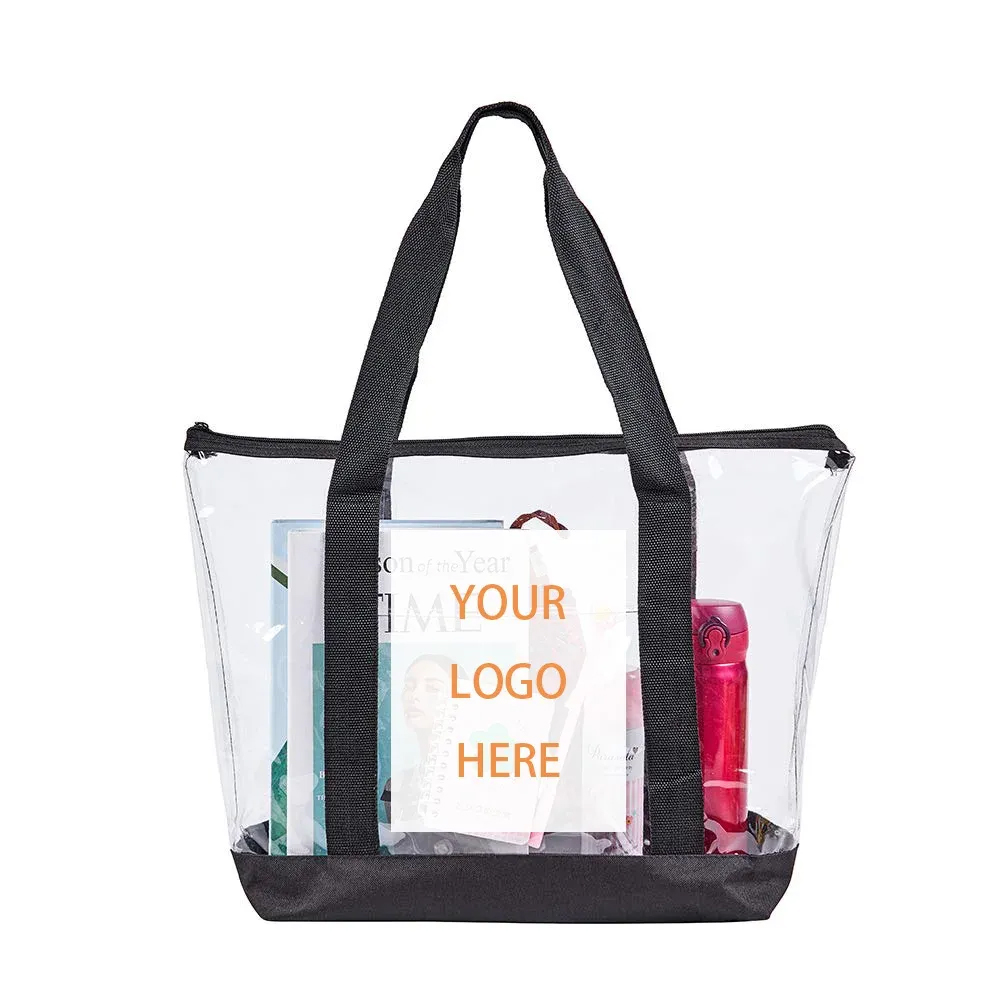
A transparent carrying bag can show the contents, a removable insert and the surface behind it through the same panel. If the proposed artwork depends on contrast, review those conditions explicitly. A mark that is visible against a white sheet may be less clear when the bag contains a dark or visually busy object. Identify which background is part of the actual presentation and which is only a temporary photography aid. Do not treat the background shown in a product photograph as part of the supplied construction unless it is confirmed.
For a sample review, use the same identified background or contents across the versions being compared. Record whether an insert is proposed, supplied separately or excluded from the order. If the artwork owner changes the design after seeing it against the intended contents, issue a revised file and show the change clearly. This makes the visual decision traceable without claiming a universal printing solution for every transparent material. It also avoids approving a pleasing photograph whose appearance cannot be recreated with the specified bag alone.
A reorder should refer to the accepted construction and artwork versions, rather than only to a previous delivery date. Ask both parties to confirm which file set and physical reference they retain. If a local copy was renamed for convenience, map it back to the approved reference before using it. A purchase request that says same as last time can conceal differences between the artwork used for a development sample and the version finally accepted for the earlier order.
State whether any element is changing in the reorder, including a color reference, wording, material or packing presentation. Review that change with the responsible people and retain the unchanged approvals where they remain applicable. Do not silently update a design because a newer file exists in someone's folder. A compact current-file list gives the supplier a clear starting point and lets the buyer approve a limited revision without accidentally reopening, or accidentally replacing, the rest of the agreed visual specification.
Can a logo be centered using only the overall bag width? That can be a useful starting point, but the final reference must account for the actual construction and the intended visible face. Seams, handles and the filled shape can affect visual balance. Show the supplier the desired result and agree on measurable placement references. A photograph alone may not explain which part of a design is being centered or which bag condition the buyer is judging.
Does a digital proof approve the finished printed color? It approves only what the parties clearly agree it is intended to approve. A screen image has limits as a physical color reference. If final appearance matters, establish an appropriate reference and review method with the supplier. Record any accepted difference explicitly. Avoid treating a digital approval as proof of an unperformed physical sample assessment.
Should a buyer send only a flattened image file? The responsible designer and supplier should agree on the file types needed for the proposed process, along with an understandable review copy. Preserve the authoritative design version and its placement reference. A flattened preview may be convenient for discussion but can omit information needed by the people preparing the decoration. Do not invent a universal file specification for all suppliers and processes.
What belongs in the final artwork brief? Include the identified bag construction, face map, visible design dimensions, placement references, color references, approved wording, proposed decoration process, current file versions and the approval sample reference. Add the responsible reviewers and any open decisions. This gives a conversation with Zhejiang Hansun Crafts a practical foundation and helps the buyer distinguish an attractive design idea from a sufficiently defined proposal for an order.
This website uses cookies to ensure you get the best experience on our website.

 Español
 Português
 日本語
 العربية



 Phone
Comment
(0)