

A factory visit is most useful when it answers the questions behind a particular bag order. A building tour and a shelf of attractive samples can provide context, but a purchasing team still needs to understand how its proposed materials, construction, decoration and inspection requirements will be handled. The visit should connect what is observed to the product being considered, rather than becoming a collection of photographs with no clear decision attached.
This guide describes a practical approach to factory capability verification for buyers discussing custom bags with Zhejiang Hansun Crafts Co., Ltd. It is a framework for planning questions and organizing evidence, not a report of an inspection already performed. Product availability, manufacturing scope and any commercial commitment must be confirmed for the actual enquiry. The aim is to make a visit or remote discussion useful without inventing facts about a supplier's operations.
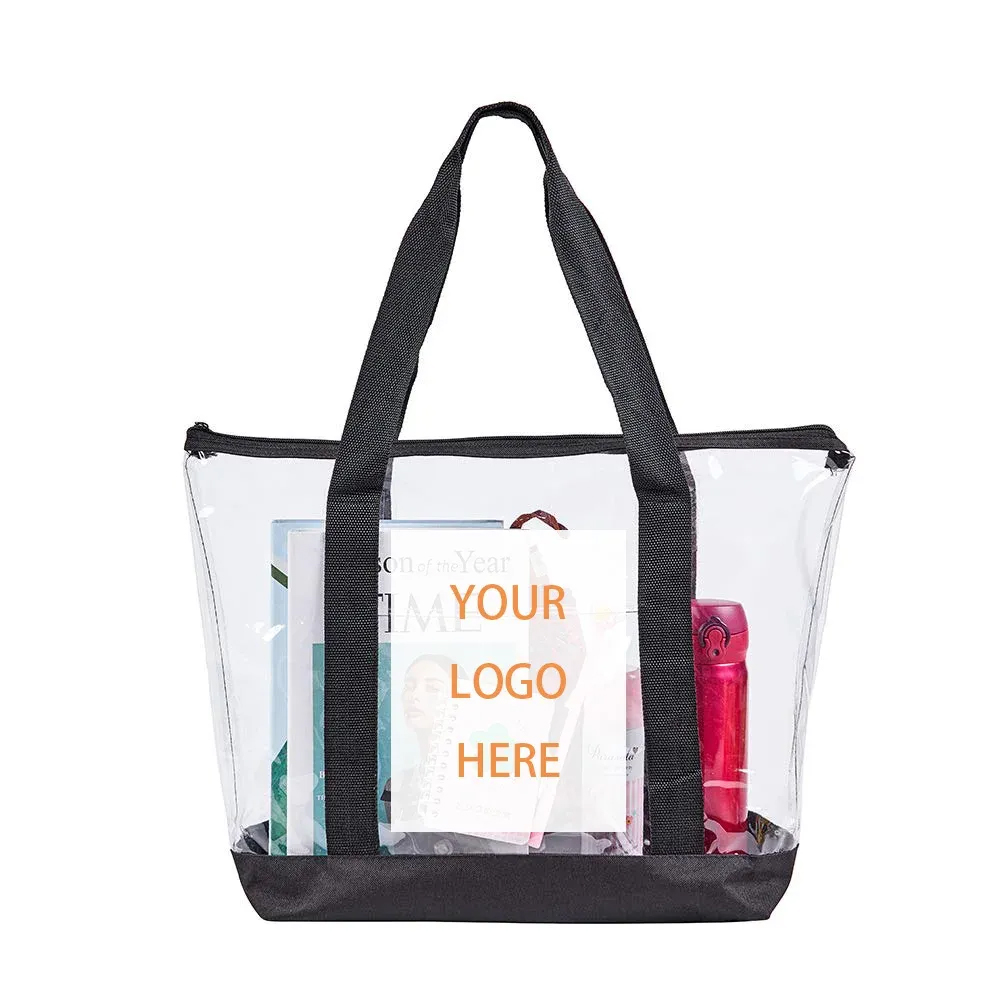
Write down the decision that the visit is intended to support. The buyer may need to understand a proposed bag construction, review sample development or clarify which processes are performed at the visited location. These are different questions and may require different people or evidence. A short purpose statement helps the supplier prepare relevant information and prevents a general tour from being mistaken for a review of every requirement in the project.
Separate questions that must be answered before supplier selection from details that can be resolved later in development. This gives the visit a realistic scope. It also prevents the purchasing team from spending its available time on interesting but unrelated products while leaving a critical construction or material question unanswered. The agenda should reflect the bag the buyer intends to purchase and the uncertainties that could materially change that decision.
Bring an identifiable product brief that covers the proposed material, finished dimensions, construction, handles, closure, pockets, lining, decoration and packing. Mark unresolved choices clearly. A supplier cannot prepare a meaningful capability discussion if the requested bag changes in every conversation. The brief does not have to be final, but it should distinguish confirmed requirements from alternatives the buyer is still considering.
Use the same brief reference in the agenda, sample labels and later report. Where a physical sample is available, state what it represents and which features are only provisional. This connection matters because a factory may display many bag types that differ from the buyer's project. Reviewing a sample room can help generate questions, but the final assessment should return to the specific product and evidence needed for the enquiry.
Before travel or a remote walkthrough, confirm the location to be visited and the role of the organization hosting the discussion. Ask how that location relates to the company issuing the quotation and the party expected to fulfill an order. Record the answer factually. A shared commercial name, website or sign does not by itself explain which organization will supply the product or be responsible for a particular operation.
If several locations or cooperating organizations are involved, map their roles instead of assuming the arrangement is necessarily a problem or a benefit. The buyer needs clarity about communication, process responsibility and relevant records. Preserve unanswered identity or scope questions for follow-up. Do not turn an unexplained difference into an accusation, and do not treat a friendly explanation as independently verified evidence of every fact that matters to the purchase.
An effective agenda can follow the bag from material identification through the operations relevant to its construction, decoration, inspection and packing. Ask the supplier which parts of that sequence can be discussed or observed during the visit. Where an operation will not be running, identify what alternative evidence may be available. This keeps the meeting useful without implying that every requested process must be demonstrated on demand.
Reserve time for reviewing the actual enquiry and recording open questions at the end. A tour that fills the entire appointment can leave no opportunity to reconcile observations with the quotation. The agenda should allow the buyer to distinguish what was seen directly, what was explained verbally and what still needs documents or samples. Those categories help prevent an incomplete visit from being reported internally as a complete capability assessment.

Ask for the information that will help answer the defined purchasing questions, rather than requesting every document a supplier might hold. Relevant items may include an identified sample, the proposed process route, applicable material information and an explanation of inspection records. State why each item is needed. A focused request makes it easier for the supplier to provide useful evidence and for the buyer to review what is received.
Respect the scope of the enquiry and avoid collecting unrelated confidential customer information. Where a supplier cannot share a particular record, ask whether an appropriately anonymized example or another form of evidence can answer the question. Record the limitation instead of filling the gap with an assumption. A useful assessment can acknowledge restricted information while remaining clear about which conclusions the available evidence can and cannot support.
Select a representative bag or development sample and use it to organize the review. Identify its material and major construction features, then ask how the proposed order would move through the relevant steps. The purpose is to understand the connection between the sample and the offered process. Do not assume that every visible detail on a showroom product is available for a new order in the same form.
If a displayed example belongs to another project, keep that identity separate from the buyer's proposed product. It may illustrate a technique or a structural idea without establishing the exact material, specification or commercial availability being discussed. Write down which feature it helps explain and what further confirmation is required. This makes the sample useful as evidence while avoiding an unsupported claim that the supplier has already approved the buyer's complete design.
Ask how the proposed material is described, received and distinguished from visually similar alternatives. A useful conversation can connect a named swatch or material reference to the specification used for the enquiry. Look for clarity in identification rather than relying on appearance alone. Different materials may look alike in a photograph, while a change that matters to the buyer may not be visible during a brief tour.
Where a material claim is important to the order, request supporting information that applies to the actual material and product. Do not infer composition, recycled content, biodegradability or certification from a color, texture or general marketing phrase. Keep such requirements separate from ordinary visual observations. The buyer's record should show whether a claim was merely discussed, supported by a received document or reviewed against the relevant purchasing requirement.
For the proposed bag, ask how dimensions and component shapes are communicated to the preparation stage. Identify which references are used to keep the front, back, gusset, lining and other pieces consistent with the approved design. This is a discussion about process control for the buyer's enquiry, not a request to infer every technical detail from a machine seen on the floor.
If a process is demonstrated, record the actual product or material being used and how closely it relates to the proposed order. A demonstration on a different item may still be informative, but its scope should remain visible. Ask what would need to change for the buyer's design and whether that change requires further sample work. This turns an interesting observation into a practical question that can support the purchasing decision.
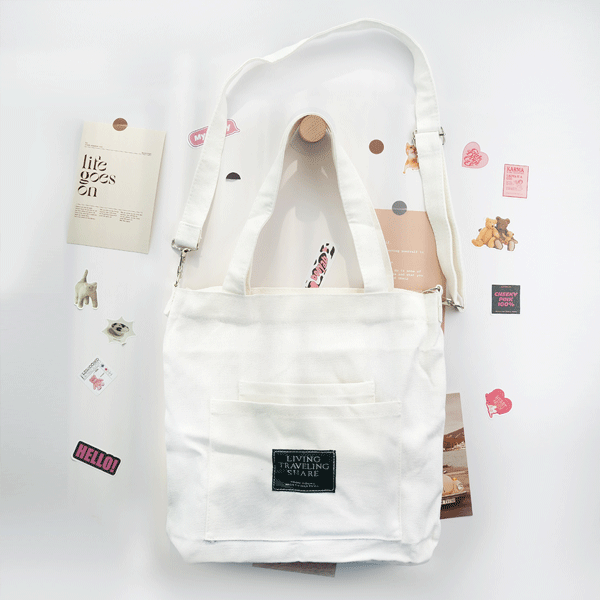
Use the sample to discuss seams, handle attachment, closures and other sewn features that matter to the buyer. Ask how the approved construction is communicated and what happens when a detail changes during development. A clear answer should identify the relevant reference and responsibility. The buyer should not have to infer the intended construction from a quick view of unrelated work in progress.
Record visible workmanship observations separately from performance requirements. A particular stitch appearance does not by itself establish carrying capacity or long-term durability. Where a performance question matters, identify the evaluation evidence the buyer requires for the actual product configuration. This keeps the factory visit grounded in what it can show, while reserving other conclusions for the appropriate sample checks, records or agreed evaluation process.
Ask how the current artwork version is identified and connected to the relevant sample or order. Confirm who reviews the proposed file, print area, orientation and placement before the next stage. If several decoration methods are under consideration, keep them separate in the discussion. A supplier's ability to show one decorated sample does not establish that every method or material combination is included in the offered scope.
Where decoration is performed through another location or cooperating party, record that route and the responsibility for checking the result. The useful question is how the buyer's approved requirement will remain identifiable across the process. Do not treat outsourcing as a conclusion about quality without relevant evidence. Instead, ask which controls and review records apply to the actual product and how a proposed change would be communicated and approved.
Discuss what happens when staff find an unclear specification, a material difference or an unexpected sample detail. Ask who is responsible for clarifying the question and how the current instruction is made available to the people doing the work. A process description is more useful when it explains how uncertainty is handled, rather than assuming that every instruction arrives complete and remains unchanged throughout development.
Use a hypothetical project question to make the discussion concrete, such as a requested pocket size that conflicts with a later sketch. Ask how the two references would be reconciled before work continues. Mark the example as hypothetical and record the supplier's explanation. This can reveal the communication route without pretending that a particular incident occurred or presenting an unobserved response as an established fact about the organization.
Ask what the proposed inspection record is intended to establish and how it connects to the bag reference and delivery. Distinguish a sample review, an in-process observation and a finished-product inspection. These records may answer different questions. A buyer should not accept the existence of a form as proof that every required feature was checked, particularly when the form's product identity or scope is unclear.
If an example is provided, review the fields that explain the result, such as the item reference, inspection basis, observation and disposition. Keep commercial or customer information outside the enquiry out of the buyer's report. Where the example does not demonstrate a requirement the buyer needs, list that gap specifically. This is more useful than either dismissing all records or assuming that a completed document proves the whole order will meet an undefined standard.

Equipment visible during a visit provides evidence of what was present at that location at that time. It does not by itself establish available production capacity for a future order. Ask how the supplier would assess the buyer's quantity, product mix and required schedule. The answer should relate to the actual proposed work and confirmed commercial arrangements, rather than a number inferred by counting machines in a photograph.
Keep any supplier-stated capacity or timing estimate labeled with its source and conditions. If the estimate depends on material availability, an approved sample or another unresolved input, preserve that dependency. Do not turn a preliminary conversation into a delivery guarantee in the internal visit report. The buyer needs a clear distinction between an observed asset, a proposed production plan and a commitment that has actually been agreed for the order.
Ask how the approved packing method and item identification will be communicated. If the bag has several colors, sizes or artwork versions, discuss how they are distinguished during packing and dispatch preparation. A correct sample can still be confused with another variant when labels or references are unclear. The visit should help the buyer understand the proposed identification route without assuming that every order uses the same packing arrangement.
Where folding or individual protection affects presentation, identify the relevant review evidence for the proposed product. Do not infer transport performance from a neat-looking sample carton. The buyer's record should state what packing feature was observed or explained and what remains to be confirmed. Linking these details to the quotation and approved specification makes the conversation more useful than treating packing as an unrelated final step.
Ask how a requested sample revision is recorded, who consolidates feedback and which reference identifies the next version. This is particularly important when several people contribute comments from design, purchasing and intended users. A supplier should be able to explain how conflicting instructions would be resolved. The visit offers an opportunity to agree a communication method before a real development question becomes urgent.
Use the discussion to define what each sample stage will demonstrate, rather than assuming that the first physical sample covers every requirement. Construction, material and artwork may need distinct decisions. Record the planned evidence and approval responsibility for each relevant stage. This does not replace the later sample review; it creates a shared process that the buyer can use to make those later decisions traceable.
A remote factory discussion should still start with a product brief and a defined set of questions. Ask the host to identify the location and explain which areas or operations can be shown. Keep a clear record of what the camera actually presents. A video view may help explain a process, but it does not automatically provide the same information as an unrestricted physical visit or independent inspection.
Avoid asking the host to obtain a view that conflicts with safe access or confidentiality restrictions. If a detail cannot be shown, record the limitation and discuss a suitable alternative form of evidence. The important habit is to preserve the boundary between what was observed and what was described. That boundary allows a remote discussion to remain useful without overstating its coverage in a later purchasing recommendation.
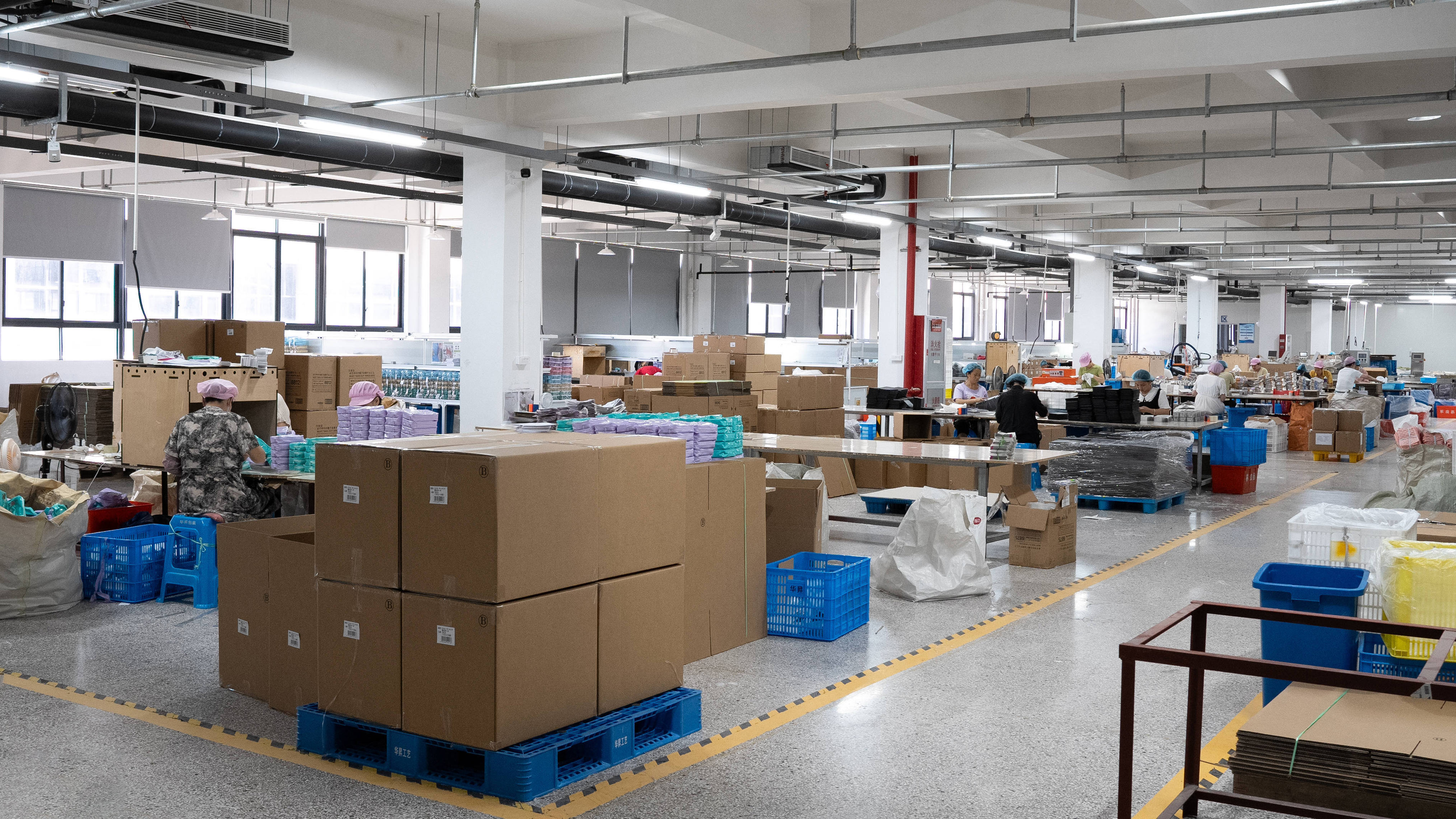
Where photographs are permitted, label them with the visit reference and a short factual description. Record which product or area they show and avoid attaching an unsupported conclusion to the image file name. A photograph of a worktable may document that scene, while a claim about an entire production system requires a broader basis. The image should remain useful when viewed later by someone who did not attend.
For important verbal statements, record who provided the information in their professional role and what follow-up is required, while respecting the buyer's handling rules for personal information. Keep the statement distinct from independent verification. A supplier explanation can be valuable evidence of the proposed arrangement without automatically establishing every underlying fact. Clear attribution makes the final report more credible and easier to review.
After the visit, organize the findings by the questions in the agenda. For each one, state the evidence reviewed, the conclusion it supports and any remaining limitation. This gives colleagues a decision record rather than a travel summary. It also shows where an attractive tour or a helpful conversation did not yet answer a requirement that matters to the proposed order.
Avoid a single broad label such as factory approved when the actual review covered only a narrow product or process question. State the scope of the recommendation and the conditions that remain open. The buyer may decide to request another sample, clarify a process route or obtain a specific document. The report should make those next actions visible without presenting them as work that has already been completed.
Give each remaining question an owner, an expected response and a reference to the evidence needed. Distinguish missing information from an observed discrepancy or a proposed change. These situations may require different responses. A focused follow-up list lets both parties see what remains before the buyer can make a decision, instead of leaving several vague requests distributed among emails and informal messages.
When an item is closed, preserve the evidence and update the decision record. Do not erase the earlier uncertainty without explaining how it was resolved. If the supplier's proposal changes, review which conclusions depend on the old version. This keeps the factory visit connected to the current enquiry and prevents a useful historical assessment from being applied automatically to a different product or commercial arrangement.
Decide which colleagues need to contribute to the visit's specific questions. Product design, purchasing and quality staff may have different information needs, and their involvement should reflect the review scope rather than a standard attendance list. Give each participant the current brief and agenda. This helps prevent a useful observation from being lost because the person responsible for the relevant decision was working from an older specification.
Agree how comments will be consolidated after the meeting. Several reviewers can provide valuable observations, but the supplier should receive a clear set of follow-up questions rather than incompatible instructions from separate people. Keep an internal disagreement visible until it is resolved. The visit report should distinguish an accepted finding from a point on which the buyer's own team has not yet reached a decision.
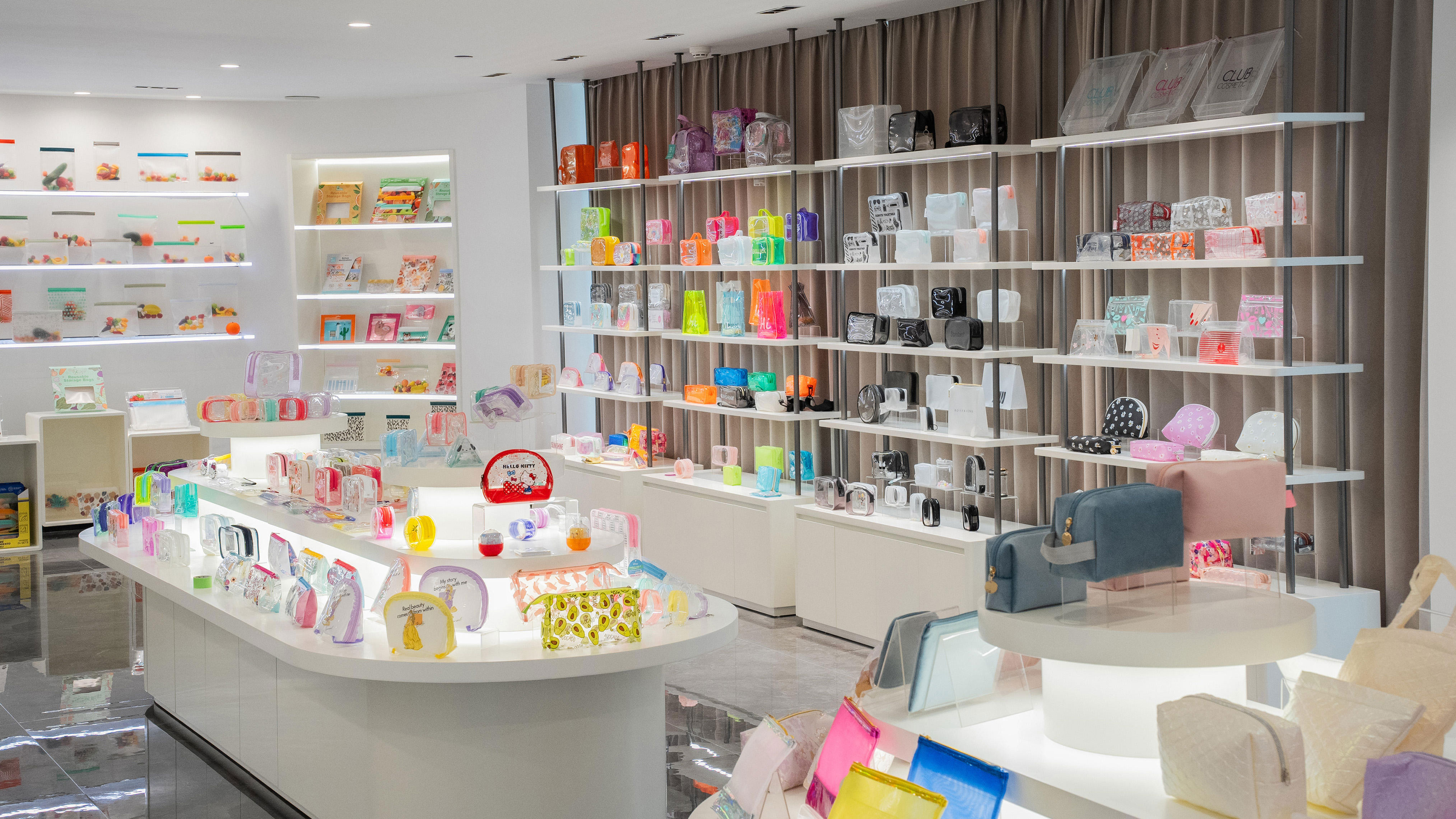
If an operation relevant to the enquiry cannot be observed, state that fact without assigning a conclusion it does not support. Ask what information could help the buyer assess the remaining question and who can provide it. The absence of a demonstration at a particular appointment does not itself prove that a capability exists or is absent. It identifies a coverage limit that the purchasing team needs to consider.
Keep this status in the final recommendation. A later document or sample may close the gap, but it should be reviewed against the original question before the finding is updated. This approach gives a supplier a practical route to answer the enquiry while protecting the buyer from treating missing evidence as a completed check. It also avoids overstating what a short visit can establish about a broader product range.
A visit assessment is connected to the enquiry reviewed at the time. If the buyer later changes the bag's material, construction or decoration route, identify which earlier findings remain relevant and which need another discussion. Do not apply a historical observation automatically to a different proposed process. The same supplier and building do not make every later product question identical to the one originally reviewed.
Use the change record to request only the additional evidence that matters. Another complete tour may be unnecessary, while a specific revised sample or clarified process responsibility could be essential. The buyer should make that distinction deliberately. Keeping the review proportional to the changed requirement preserves the value of earlier work without allowing a past visit to become an unlimited approval of future proposals.
A visit can establish particular observations and help the buyer assess specific questions, but it should not be described as proof of every capability a supplier may advertise. The conclusion depends on the product, evidence and review scope. Keep unobserved processes and unsupported claims separate from what the team actually checked. This gives purchasing colleagues a more useful basis for judgment than a blanket statement with no defined limits.
The product and workshop images in this guide come from Hansun's media library and illustrate bag styles and visible working areas. They are not a report of a new inspection, an endorsement of an unverified claim or approval samples for a particular buyer. Use them to prepare a focused conversation, then connect the actual enquiry to identified samples, relevant evidence and a clearly recorded purchasing decision.
This website uses cookies to ensure you get the best experience on our website.

 Español
 Português
 日本語
 العربية



 Phone
Comment
(0)