

custom bag sourcing often begins with an attractive reference image and a request for a price. That approach can start a conversation, but it rarely defines the complete product or commercial scope. Suppliers may interpret the same image differently, include different components or make different assumptions about decoration and packing. A useful request for quotation, or RFQ, gives each supplier the same practical basis for an offer and makes the remaining questions visible before the buyer compares figures.
This guide explains how to organize an RFQ for custom carrying bags, fabric totes and transparent bags. It focuses on a clear brief, identified assumptions and an orderly comparison record. The examples concern purchasing information rather than unverified promises about a manufacturer's capacity, pricing or delivery. The actual offer must identify the proposed bag construction and the commercial conditions that the supplier is prepared to confirm for the specific enquiry.
Explain what the RFQ is intended to support. A buyer may be selecting a construction, comparing equivalent offers or confirming the cost of a design that has already been sampled. Those are different decisions and can require different responses. Tell the supplier which parts of the product are fixed and which are open for discussion. This gives the enquiry a clear purpose without forcing the supplier to guess whether an alternative material or arrangement would be useful.
Include a short description of the intended use and the items the bag will carry. Keep essential requirements separate from preferences that may change after sampling. The manufacturer can then identify relevant questions and explain which proposal it is quoting. A supplier response becomes easier to assess when it addresses a defined purchasing decision rather than trying to satisfy a long list of partly conflicting ideas gathered from several unrelated reference products.
Give the design a buyer reference and use it throughout the enquiry. Include a drawing, annotated photograph or identified sample that explains the shape, opening and relevant components. A brief title such as tote bag is useful for categorization while remaining too broad to identify the product. The RFQ should let a supplier distinguish the design from another bag that shares a material name but uses a different base, handle or closure arrangement.
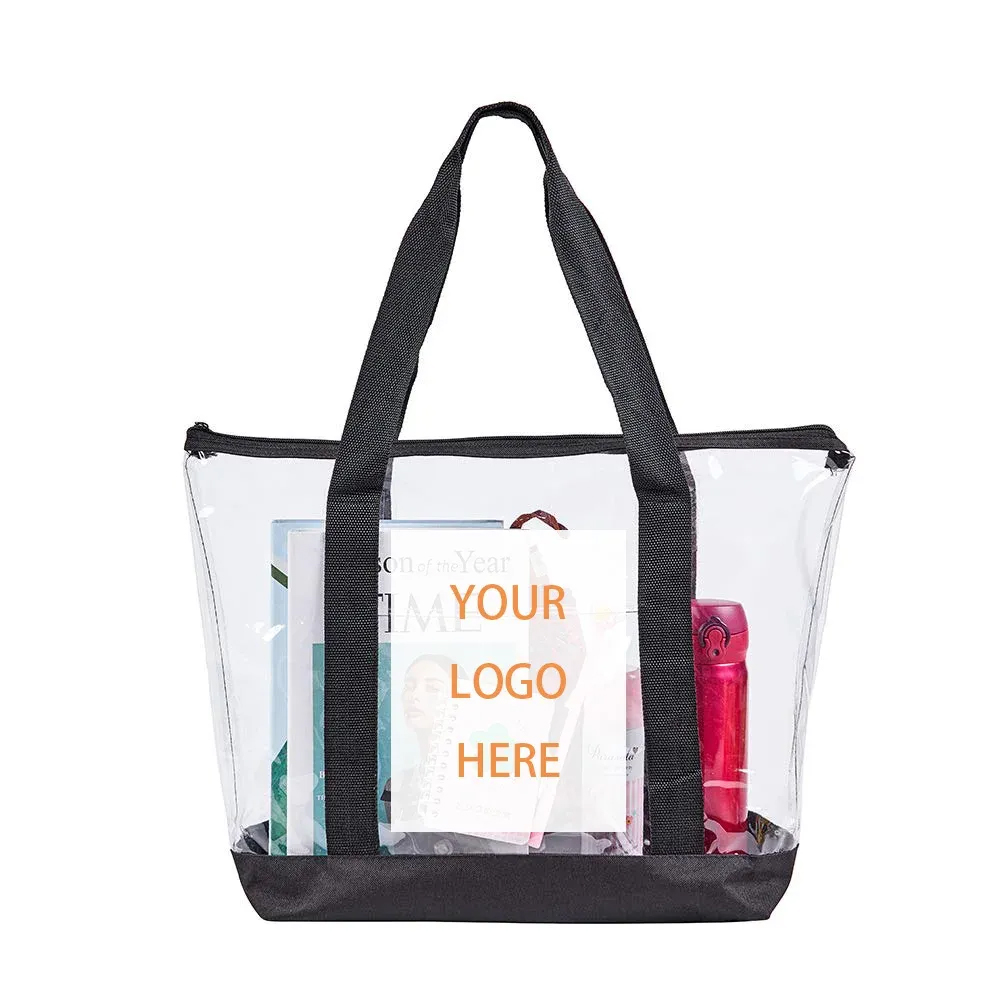
When several reference images are supplied, state the purpose of each one. One may show the desired shape, another a handle style and another a decoration idea. Do not assume that the supplier will infer the intended combination. Consolidate the required features into one current brief before requesting an equivalent quotation, so that an offer does not inadvertently combine the easiest elements from several references while leaving the buyer expecting a different finished article.
Identify the measurement points for the finished bag rather than supplying a list of numbers without context. Distinguish body width, height, base or gusset dimensions and the usable opening where relevant. Show how handle length is measured and identify any internal feature that affects space. Clear measurement references reduce the risk that suppliers quote visibly similar bags whose actual dimensions have been interpreted differently from the same informal enquiry.
If a dimension is provisional, mark it as provisional and explain what evidence will settle it. A sample review with representative contents may be needed before the final drawing is approved. Ask each supplier to identify the version used for its quotation. This prevents an early price based on a smaller or simpler construction from remaining in the comparison after the design has changed and the assumptions behind that price no longer describe the proposed order.
Separate shell, lining, handles, bindings and other material components in the brief. Provide confirmed references where available and clearly identify open selections. A request for a cotton bag or a transparent bag can leave substantial construction differences unresolved. The supplier should state what it proposes for each relevant component, rather than leaving the buyer to assume that a short product category name establishes the composition, weight, finish and complete assembled construction.
Use identified swatches or samples when appearance and feel are important to the comparison. Keep them connected to the written material description so that a supplier can explain a proposed substitution accurately. Do not present an estimated material value as a verified specification. If the buyer lacks a necessary detail, ask for a proposal and supporting information, then distinguish that proposed version from an offer that follows an already approved material baseline.
Include the closures and hardware required by the design, such as a zipper, snap, drawstring or other identified component. State the visible appearance and functional arrangement that matter to the use. Ask the supplier to identify its proposed component reference and any unresolved selection. A similar colour or shape in a photograph does not establish that two closures are equivalent, and a quotation should not silently omit a component that the buyer considers part of the bag.
Where an alternative is offered, request a separate description of what changes and why. This can help the buyer assess an available option without confusing it with the requested baseline. Record the effect on the sample, appearance and commercial proposal where confirmed. A comparison becomes more informative when optional hardware is visible as an alternative rather than hidden inside a lower figure that appears to quote the same finished product.

Provide the current artwork and explain the required placement, size and appearance. Identify which files are approved and which are only references for discussion. Ask the supplier to state the decoration arrangement used for the quote and any preparation or sample work it includes. A general request for a logo can be interpreted differently depending on the material, number of locations and production approach, so those subjects need an explicit response.
Keep the artwork revision linked to the bag reference. If the supplier prepares or adjusts a production version, request a proof that identifies the resulting file and its scope. This allows the buyer to distinguish technical preparation from a design change that still needs approval. The RFQ should explain which decoration decisions are fixed and which need evaluation on the actual selected material before a final production quotation can be treated as complete.
Create a simple matrix when the enquiry includes several colours, sizes or designs. Give each variant a clear item reference and connect it to its material, artwork and component choices. Suppliers can then state which variants their offer covers. Without a matrix, one supplier may quote a combined order while another treats each design separately, making the resulting figures difficult to compare even when both responses appear to address the same total quantity.
Show which elements are shared and which differ between variants. A shared body construction may coexist with different artwork or handle colours that still need their own identification. If quantities change, update the matrix and request confirmation of the revised basis. This keeps the technical and commercial versions aligned and helps the buyer avoid comparing a current quote with another offer that still reflects an earlier distribution of sizes or designs.
If the buyer wants to understand different order quantities, list the alternatives explicitly and ask the supplier to quote them on the same specification. Do not invent a minimum order quantity from a website photograph or assume that every variant can be combined under one condition. The supplier's actual response should identify the quantity basis, any conditions that apply and the way the proposed material or production arrangement relates to those options.
Keep tentative demand information separate from a committed order. A forecast can help a supplier discuss planning while remaining different from an approved purchase quantity. State what the buyer is asking the supplier to evaluate and which figures are provisional. This makes the commercial conversation more useful and prevents a planning estimate from being repeated later as though it were an agreed commitment or an unconditional entitlement to a particular quotation.
Explain whether the RFQ concerns an existing approved sample, a development sample or a design that has not yet been sampled. Ask the supplier which sample work is included and what information it needs before proceeding. A quotation based on a photograph may remain provisional in ways that a quote against an identified final sample does not. Those limitations should be visible in the response rather than hidden behind an apparently firm description of the bag.
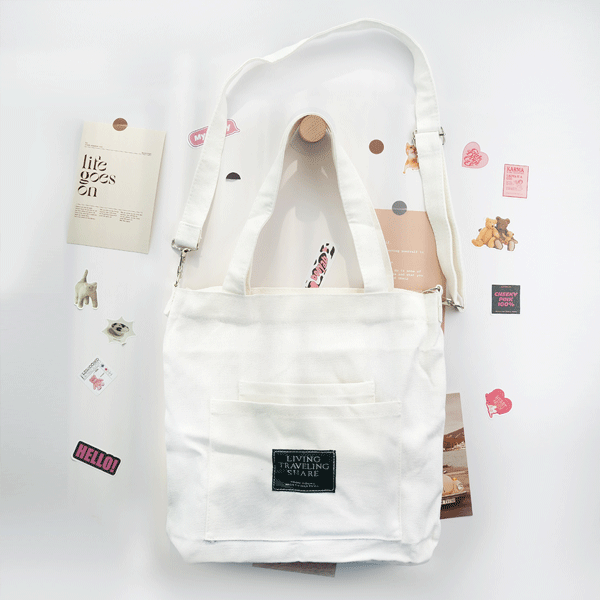
Identify the decisions that sampling is intended to resolve. Shape, usable space, material appearance and decoration can require different checks. Request the relevant sample reference and explain who will approve it for the buyer. If a supplier proposes a staged approach, record the scope and commercial conditions of each stage. This helps the buyer compare the actual development path rather than considering only a unit price that leaves the sample process undefined.
Ask the supplier to identify the different types of cost included in its offer. The buyer may need to distinguish per-unit amounts from sample, preparation, artwork or other separately quoted items. Only the supplier's actual proposal can establish what applies to the enquiry. The purpose of the RFQ is to make that structure clear, without assuming that a particular charge always exists or that it must always be included in the displayed unit figure.
Use the same comparison basis for each supplier. If one offer combines items and another lists them separately, request clarification before adding totals. Keep the supplier's explanations with the comparison record so that a later reviewer can understand what each figure represents. A useful purchasing comparison preserves the confirmed cost structure and its conditions rather than creating a superficially precise total from incomplete or inconsistent information.
Describe how the buyer expects the bags to be presented and identified when delivered. Include relevant individual packing, inner grouping, variant separation and carton identification requirements. Ask the supplier to state the arrangement used for its quote. A neat product photograph does not establish the bulk packing configuration, and an offer based on one arrangement may not remain comparable with another proposal that includes a different presentation or handling requirement.
If the buyer has not selected a packing arrangement, request an identified proposal and keep it open for review. Explain any receiving or distribution constraints that the supplier needs to consider. Once an arrangement is agreed, connect it to the current product version and order matrix. This avoids treating packing as a minor afterthought when it may affect how variants are checked, stored and distributed after the bags reach their intended destination.
Specify the intended destination information and ask the supplier to identify the delivery scope included in its offer. A price can refer to different handover arrangements, so the comparison needs the actual stated basis. Where a formal trade term is used, have the responsible commercial or logistics personnel review its application to the transaction. Avoid replacing an unanswered delivery question with an informal assumption about which party will arrange or pay for a particular movement.
Keep product, packing and transport information connected while distinguishing their roles. A supplier's quotation may need further logistics confirmation before the buyer can evaluate the complete proposed arrangement. Record that condition explicitly. The comparison should show which figures are confirmed and which remain provisional, rather than presenting a single final cost that appears complete while relying on missing destination details, an unconfirmed packing configuration or an assumed transport arrangement.

Request an explanation of the timing stated in the quotation. Identify what starts the relevant period, such as a particular approval or another agreed event, and ask what the period covers. Sample preparation, production and transport are different stages. The buyer should not compare one supplier's production estimate with another supplier's broader delivery estimate as though they describe the same point in the order process.
Provide the buyer's required milestones and distinguish essential dates from preferences. Ask the supplier to identify conditions or information it needs before it can confirm an arrangement. Keep those conditions visible in the comparison and revisit them if the design or quantity changes. This supports a realistic discussion without inventing a delivery promise or treating a general website statement as a schedule commitment for the particular bag order.
State what will guide review of the finished bags. An approved sample, a dimension drawing, material references and artwork files may each establish a different part of the requirement. Ask the supplier to identify any mismatch or missing information before quoting against the brief. A vague request for high quality does not provide a consistent basis for equivalent offers, because suppliers and buyers can attach different expectations to the same phrase.
Where a defined inspection or evaluation is required, explain its scope and ask how the supplier proposes to support it. Do not import a performance rating from an unrelated product or assume that a catalogue document applies to the selected construction. The RFQ should make essential evidence requirements visible early so that the buyer can compare what suppliers actually offer, including any limitations that need resolution before sample approval or production.
Identify the documents that the buyer needs for its purchasing decision and intended application. Ask whether the available evidence covers the actual proposed material and finished construction. A document title alone does not establish that scope. Keep the supplier's response clear about what it can provide, what remains under review and whether a separate evaluation is required for a particular claim or requirement in the buyer's brief.
Avoid turning an unresolved evidence request into a customer-facing promise. If the buyer needs a particular material statement or other support, retain its identity and applicability questions in the RFQ record. The purchasing team can then obtain the relevant review before relying on it. This approach allows a supplier to answer honestly and gives the buyer a more reliable comparison than a checklist that treats every broad assurance as equivalent verified evidence.
Include a response section for assumptions and departures from the brief. Ask suppliers to point out anything they have interpreted, substituted or excluded. This is particularly useful when a design is still being developed and the available reference does not establish every component. A transparent assumption can be reviewed and accepted or rejected; an invisible assumption can make a quotation appear equivalent until the first sample reveals that the parties expected different bags.

Review each assumption against the intended use and current specification. Some may be reasonable proposals, while others may change an essential requirement. Record the decision and update the brief where necessary. Send the resulting version to all suppliers whose offers will remain in the comparison, so that the buyer does not create an uneven process in which one supplier quotes an updated design and another is still answering an obsolete request.
Build the comparison around confirmed scope first. Check the bag dimensions, materials, components, decoration, variants and packing basis, then identify the commercial figures associated with that version. This makes differences understandable. A lower figure may reflect an omitted component or a different material proposal rather than an equivalent saving, while a higher figure may include work that the buyer has not asked another supplier to include.
Where information is missing, request a focused clarification instead of inserting a convenient estimate into the comparison. Mark unresolved cells and explain why they matter to the decision. The objective is an interpretable purchasing record, rather than a table that looks complete because every box contains a number. Reliable scope comparison allows the team to decide which differences need technical review and which can be evaluated through the commercial proposal as supplied.
Keep a shared question log when several people review the responses. Refer each question to the relevant bag item, specification section or quotation line. Consolidate overlapping questions before sending them to the supplier. This reduces the chance of receiving several answers to slightly different versions of the same issue and helps the manufacturer understand which information is needed for the buyer to make the next decision.
Record the answer and its effect on the comparison. A clarification may resolve an interpretation, introduce a revised offer or require a new sample. Preserve that distinction instead of silently replacing a figure without explaining why it changed. The buyer should be able to trace the current comparison back to the supplier's actual response and understand whether the underlying product, commercial scope or simply the wording of the explanation has been updated.
Assign a revision identifier whenever the buyer changes a relevant part of the brief. Describe the change and ask the supplier to confirm which offer now applies. A revised handle, extra print location or different quantity distribution can affect more than one comparison line. The project needs a clear current baseline so that an earlier attractive figure does not continue to circulate after the specification that supported it has been replaced.
Keep superseded versions for traceability while clearly marking them as inactive. Avoid leaving suppliers to reconstruct the current design from a sequence of chat attachments. A consolidated revised brief helps both sides check what has changed and what remains fixed. This also makes internal review easier, because purchasing, design and operations staff can examine the same identified product and understand which questions still require a supplier response.
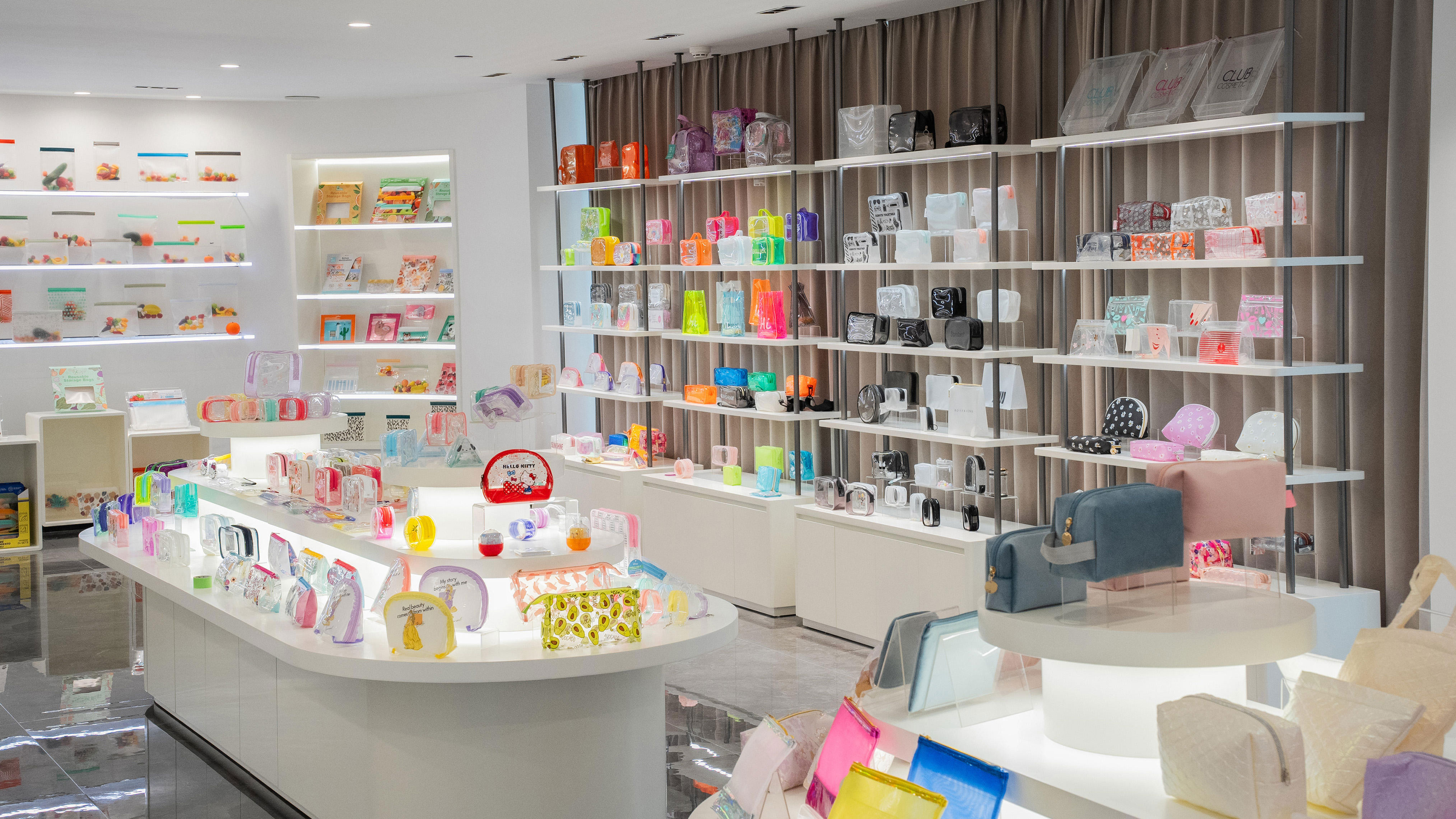
After selecting a proposal, reconcile the quotation with the approved specification and sample records. Confirm the exact bag, materials, decoration, quantity matrix, packing and included scope. Resolve discrepancies before treating the offer as a complete order instruction. Selection of a supplier is a purchasing decision, while the final order baseline is the documented description that will guide production and review of the bags actually supplied.
Keep the accepted commercial conditions connected to that baseline. If a condition remains subject to a later approval or another event, identify it rather than assuming it has already been fulfilled. The buyer and supplier should be able to see which commitments have been confirmed and what information is still required. This supports orderly execution and reduces disputes caused by mixing an early enquiry, a revised sample and an older quotation under one informal product name.
Retain the final RFQ, accepted clarifications and selected quotation with the approved sample and artwork references. A future order should begin with that identified record rather than a remembered unit figure from an earlier conversation. Ask whether the same materials, components and commercial conditions remain available. If a deliberate change is proposed, describe it as a revision so that the supplier can distinguish it from a request to repeat the previous bag.
Use the earlier comparison as a reusable method while updating the job-specific facts. The material market, design and receiving arrangements may differ on a later enquiry, and the old record cannot establish current conditions by itself. A good sourcing process keeps its questions and evidence structure while verifying the actual proposal again. This provides a practical basis for discussing custom bag sourcing with Hansun and for keeping repeat-order decisions connected to the product that was approved.
Can a reference photograph be enough to request an initial discussion? Yes, when its limitations are clear and the supplier is asked to identify assumptions. Can it establish a final equivalent quotation on its own? Usually the relevant dimensions, materials and scope still need confirmation. These questions help the buyer use early information productively without treating a helpful image as a complete technical specification or an unqualified basis for a final purchasing comparison.
Should the buyer always choose the lowest quoted unit figure? The decision needs comparable scope and the buyer's actual priorities. What should happen if a response omits an essential component or evidence requirement? Request clarification and keep the gap visible until it is resolved. The value of an RFQ lies in a shared, traceable description of the proposed order, so that price discussions concern the same bag and the conditions actually offered for it.
This website uses cookies to ensure you get the best experience on our website.

 Español
 Português
 日本語
 العربية



 Phone
Comment
(0)