

A custom bag project becomes easier to manage when the buyer and manufacturer agree what the bag must do before they agree how it should look. A useful brief connects the intended contents, carrying method, material, construction, decoration and packing requirements. It gives the sample team enough information to make deliberate choices and gives the buyer a clear basis for deciding whether a sample is acceptable.
This guide follows a bag project from the first enquiry to an approved production reference. It applies to procurement discussions about tote bags, cosmetic bags, storage bags and related custom designs. Individual products may use different materials and manufacturing methods, so the final specification should always describe the actual selected construction. A photograph, a material name or a sample approval on its own is not a complete order specification.
Start by identifying who will use the bag, what they will put inside it and how they will carry or store it. A promotional tote intended for a short event has a different brief from a cosmetic organizer used repeatedly for travel. A storage bag may need to fit a shelf or suitcase rather than rest comfortably on a shoulder.
List the items the bag must accommodate, including their approximate external dimensions and any protective packaging. If the contents are irregular, provide reference items or accurate photographs with measurements. Explain whether users need quick access, separation between items, a clear view of the contents or a closure that keeps small objects from falling out.
State which requirements are essential and which can change during development. This helps the manufacturer propose alternatives without guessing the buyer's priorities. For example, the buyer may accept a different pocket arrangement while keeping the carrying dimensions fixed. A brief that ranks these requirements makes sample revisions more focused and avoids spending time on features that do not affect the intended use.
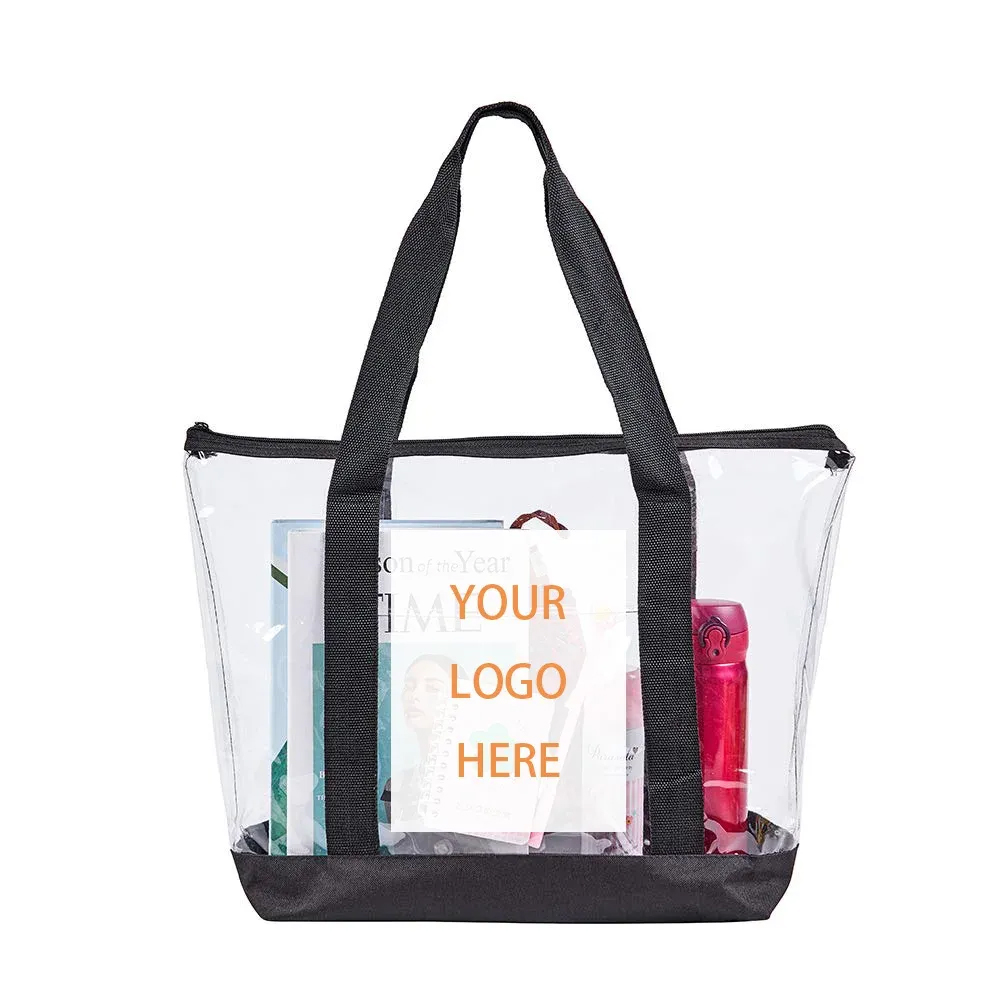
Reference photographs are useful for communicating a silhouette, handle arrangement or overall style. They rarely establish the material grade, hidden structure, seam allowance, reinforcement or exact measurements. Tell the manufacturer which features you want to discuss rather than assuming that every detail in the reference must be reproduced.
Use your own design assets or references you are entitled to use. A competitor's logo, print or distinctive artwork should not become an instruction to copy it. The practical objective is to explain the function and appearance of your own product. Written notes and simple annotated drawings often communicate that objective more clearly than a folder of unrelated inspiration images.
Create a short reference sheet showing the front, back, side and opening where those views are relevant. Mark the features that are fixed and those that are illustrative. When the design changes, update the sheet instead of leaving contradictory versions in the conversation. The sample team should be able to identify which version represents the current brief.
Specify whether the dimensions describe the finished bag, a flat pattern, the internal usable space or another agreed reference. A width measured at the opening may differ from the width at the base. A gusseted bag may have different apparent dimensions when folded and when opened. Without a shared method, two accurate measurements can still appear to disagree.
Use a labelled drawing for width, height, depth, handle drop and any important opening or pocket dimensions. Identify whether handles are included in the stated overall height. For flexible products, describe the condition in which the bag will be measured. Avoid combining a photograph of a filled bag with measurements taken from a different flat sample.
Agree tolerances with the manufacturer for the actual design and construction. Do not assign a universal tolerance simply because it appears on another product listing. The chosen material, assembly method and functional requirement all matter. Where fit is critical, use the intended contents during sample review so that the measurement record is supported by a practical fit check.
Material selection should connect appearance, handling, structure, decoration and the intended use. Canvas, non-woven materials, mesh, transparent PVC and coated materials are different choices with different characteristics. A category name alone does not identify a precise grade or establish the performance of the finished bag.
Ask for the material information relevant to the proposal, such as composition, construction, nominal weight or thickness where applicable, surface finish and colour reference. Keep those details linked to the sample being reviewed. If an alternative is proposed to meet a budget or appearance goal, record the change explicitly and assess its effect on the finished product.
Avoid treating words such as premium, eco-friendly, waterproof or recycled as self-explanatory specifications. Define the actual requirement and request appropriate evidence when a claim matters to the order. A material description should not become an unsupported certification or durability promise. Where evidence is unavailable, choose factual wording that describes the agreed material and construction.
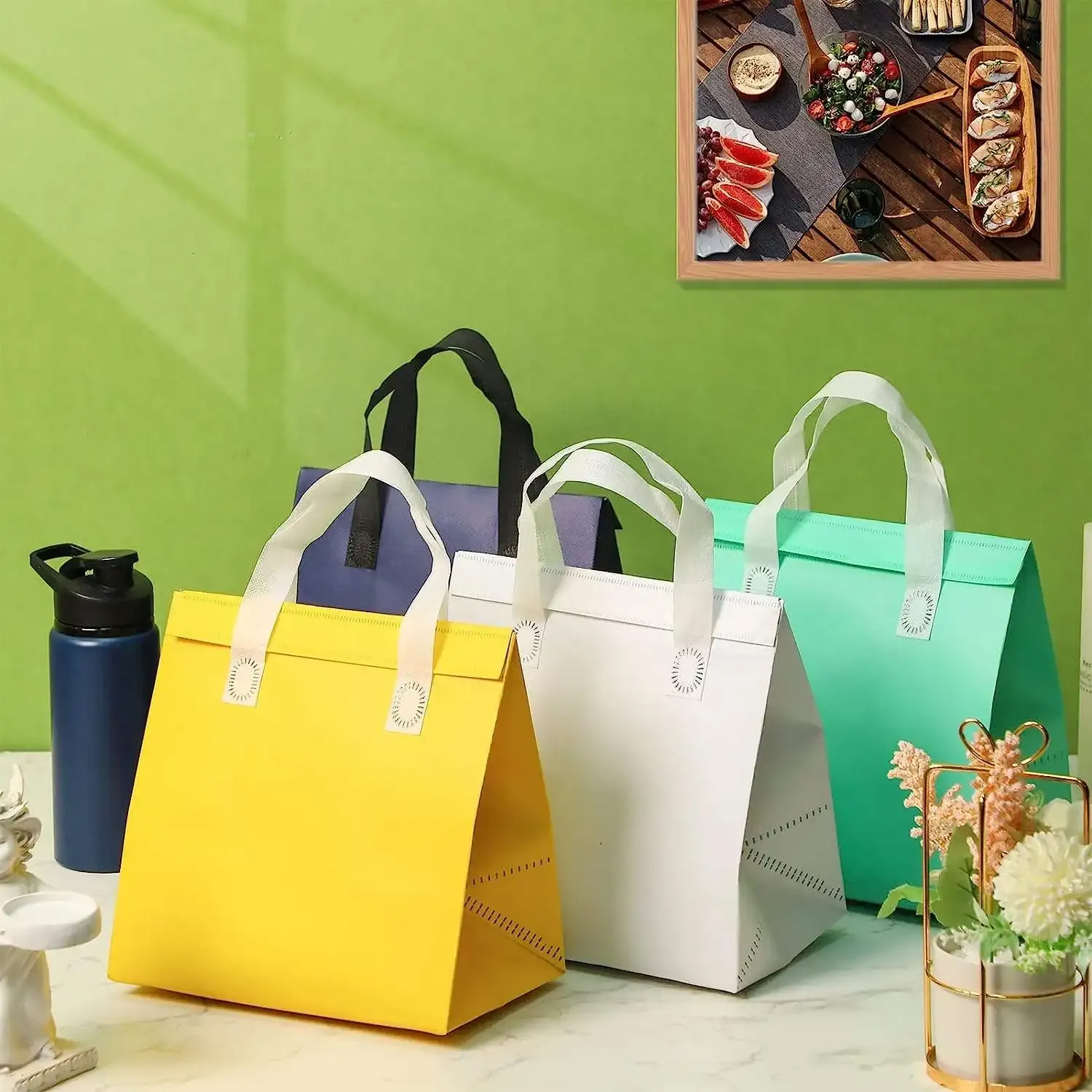
The same outline can be assembled in different ways. Discuss the panel arrangement, seam placement, base construction, lining, binding and reinforcement that suit the intended use. A clear bag, a canvas shoulder bag and a structured cosmetic organizer should not be assumed to share the same manufacturing method.
Ask the sample team to show important details in close-up photographs or a physical sample. Inspect areas where the user pulls, lifts, opens or repeatedly folds the bag. Consider whether the construction makes the contents easy to access and whether exposed edges or internal finishes are appropriate for the intended product positioning.
Keep the construction discussion specific. A request for "strong stitching" does not establish thread selection, seam arrangement or an acceptance requirement. Describe the expected use and ask the manufacturer to propose the construction, then agree how it will be evaluated. This creates a more useful reference than a collection of broad quality adjectives.
Handle drop, strap width, attachment position and the way the bag balances can affect its usefulness. Consider how the intended user will carry the bag when it contains the expected items. A handle arrangement that looks attractive in a flat photograph may feel different when the bag is filled or worn over clothing.
Provide the carrying scenarios that matter: hand carrying, shoulder carrying, crossbody use or storage handling. If the strap is adjustable or removable, describe the required arrangement and components. Clarify whether the bag needs to stand, fold or fit inside another package, because the handle and attachment design can affect those requirements.
Evaluate comfort and attachment details on the sample using an agreed load and method suited to the product. Do not infer a safe carrying capacity from material thickness or a photograph. If a stated capacity will be part of the commercial claim, the buyer and manufacturer need an appropriate documented basis for that statement and a clearly defined product configuration.
A closure affects access, containment, appearance and the way a bag is assembled. Discuss the actual zipper, snap, drawstring or other closure proposed for the design. Identify opening direction, puller style and the clearance needed for the intended contents. The type of closure alone does not establish its finished performance.
For pockets and dividers, state what each compartment should hold. Measure the usable opening and the space available after the bag is assembled. A pocket can meet its flat dimensions and still be inconvenient when the main compartment is full. Review the arrangement with representative contents rather than assessing only an empty sample.
Avoid adding features simply because they are available. Each extra component can affect assembly, inspection, packing and cost. Prioritize the features that solve a defined user need, then check their execution on the sample. A simpler bag with an appropriate opening and dependable organization can be more useful than a more complicated design whose details interfere with everyday use.
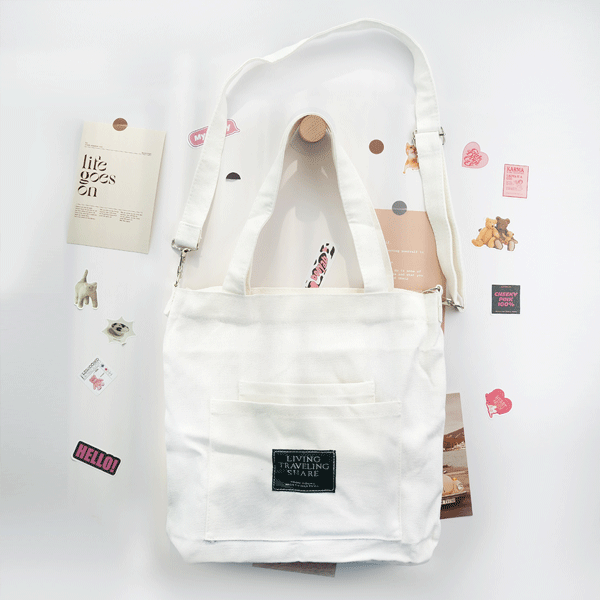
Supply the current logo and artwork files in the formats requested by the manufacturer. Identify the intended print locations, orientation and dimensions. Show how the design should sit relative to seams, handles, pockets and folded areas. An image centred on a flat panel may appear differently when the finished bag is filled or carried.
Ask which decoration method is proposed for the selected material and order. Keep the recommendation connected to the artwork, colours, coverage and desired appearance. Do not assume that a process suitable for one fabric or surface will produce the same result on another. Request a sample or another appropriate review step where the appearance is important.
Use a revision-controlled artwork proof. Include the version date, selected colour references and approval comments in one current record. A visual proof confirms layout information; it should not be treated as evidence that every physical print characteristic has been accepted. Review the actual decorated sample as well when the order requires physical confirmation.
Colour can look different across screens, printed proofs, materials and lighting conditions. Decide which reference will control the order and communicate that choice before sampling. A named colour in a chat message is usually insufficient for a project where consistency matters across repeat orders or several components.
Review the relationship between the base material, trim, lining, thread, closure and decoration. Components from different materials may not match in exactly the same way. Decide whether close coordination is acceptable or whether a more specific requirement needs to be agreed. Record which physical references have been approved and where they are retained.
If a sample uses a temporary component or an available material colour, label the substitution clearly. Approval of the overall construction should not silently approve the substitute colour for production. Separating these decisions allows sampling to progress while keeping the final colour requirement visible and unresolved until an appropriate reference is available.
Agree what the first sample is intended to prove. It may focus on shape and fit, material and construction, or a combination that includes decoration. Not every early sample needs to settle every detail, but both parties should know which decisions can be made from it and which remain open.
Prepare a sample review form with the principal requirements from the brief. Record measurements, fit observations, construction comments, decoration notes and any substitutions. Use clear photographs to illustrate a requested change. Comments such as "make it better" are difficult to act on; a measurement, marked location or comparison to an approved reference gives the sample team something concrete to revise.
Set an approval point for the final production reference. Identify the physical sample and the specification version that belong together. If the final sample contains an exception, record whether it is accepted or must be corrected. An approval email without that connection can leave uncertainty about which product details the buyer has actually approved.

Provide the proposed quantity by design, material, colour, size and artwork version. Explain whether the order will be delivered together or in separate lots. A single total quantity may hide a complicated mix of small variants, each requiring its own components, preparation and packing arrangement.
Ask the manufacturer to state the basis of the quotation and the assumptions used. Minimum quantities, sample charges, tooling or preparation costs, and delivery terms should come from the actual offer. Do not generalize a quantity or lead time from one listing to every custom product. A change in construction or order mix may require a revised proposal.
When comparing offers, use the same specification and identify any differences in scope. A lower figure may reflect a different material, simpler construction, different decoration or reduced packing requirements. Clarify those differences before making a price comparison. The useful question is whether each offer addresses the same product and commercial requirement.
Build the inspection checklist around the approved sample and specification. Typical review areas include dimensions, material appearance, construction, decoration, closures, component placement and packing. The actual checks should reflect the bag's use and the buyer's requirements rather than reproduce a generic list without context.
Use examples to distinguish acceptable variation from defects that affect function or appearance. A cosmetic organizer may need particular attention to its opening and dividers, while a tote order may emphasize handle arrangement and print placement. Where the buyer requires a formal sampling plan or test method, the responsible quality team should define it before the order is placed.
Keep claims proportional to the inspection evidence. A successful sample review supports conclusions about that sample under the reviewed conditions. It does not automatically establish performance for all quantities, all materials or every future revision. Maintaining a record of the approved configuration makes later inspections more meaningful and helps both parties investigate differences accurately.
Packing is part of the product specification when appearance, component protection or warehouse handling matters. Explain whether bags should be folded, filled, individually packed or grouped, and identify the required labels and carton information. The best arrangement depends on the construction and the buyer's receiving process.
Consider how packing may affect creases, handles, closures and printed surfaces. Ask the manufacturer to show a representative packing arrangement when these details matter. A bag that looks correct before packing may need another review after being folded or compressed in its intended packaging. Record the agreed arrangement together with any protective components.
Give the warehouse the information it will need to receive and identify the goods. Distinguish designs, colours and sizes with consistent references. Agree how carton counts and product counts will be recorded. Clear identification helps the buyer find a difference without opening every package and reduces the risk of mixing visually similar variants during fulfilment.

If the intended market or customer requires a particular material declaration, restricted-substance assessment or other document, describe that requirement during the enquiry. Ask whether the manufacturer can provide evidence relevant to the proposed material and finished configuration. A certificate image or a general statement about the company may not answer the product-specific question.
Check the scope, date and identification of any document used for an order decision. Keep claims such as recycled content, organic composition or suitability for a particular regulated use tied to appropriate evidence. A custom label or printed symbol does not establish the underlying qualification. Avoid adding such statements to packaging or marketing before the required support has been reviewed.
Where the evidence does not support a claim, revise the wording or the product brief. Factual descriptions of materials, construction and intended everyday use can still communicate useful information. The goal is to give buyers a clear understanding of what they are ordering without extending a limited document into a broader promise about every product in a supplier's range.
Maintain one current specification with a clear version reference. When a material, dimension, closure, print or packing detail changes, record the change and identify whether another sample or confirmation is needed. Avoid allowing an old proof and a newer chat message to act as competing instructions.
Discuss the effect of changes on the quotation and delivery plan before approving them. A small visual change can affect components or preparation work, while a material substitution can affect fit and decoration. The manufacturer should explain the practical implications for the proposed order, and the buyer should confirm the revised scope deliberately.
For repeat orders, compare the new requirement with the retained reference. Confirm that the material, artwork, construction and packing remain the same, or list the differences explicitly. A familiar product name does not guarantee that every detail is unchanged. This check is especially useful when people change roles or a previous conversation is no longer readily available.
Imagine a buyer developing a bag for a small group of travel accessories. The initial reference shows a rectangular pouch with a handle, but it does not establish the internal clearance, opening width or divider arrangement. A useful development brief begins with the actual accessories and explains how the user should remove and replace them. It then describes the preferred appearance without treating every visible feature in the reference as a fixed instruction.
The first sample might be intended to confirm the opening and internal layout. The review form would record whether the contents fit, whether the closure is convenient and whether the handle interferes with access. If temporary material or undecorated panels are used, those substitutions should be identified. Approval at that stage would concern the stated development questions, rather than silently approving the substitute material for production.
A later sample could combine the selected material, construction and artwork. The buyer would compare it with the updated brief and inspect how the completed bag behaves with the intended contents. Any change should be described by location and requirement. For example, asking for a wider usable opening is clearer than asking for a pouch that feels "more practical."
This is an illustrative development sequence, not a statement of results for a particular Hansun product. Its purpose is to show how a buyer can approve decisions in a controlled order. The final reference should identify the physical sample, the current specification, the artwork version and any agreed exceptions. Those references then support production and receiving inspection.
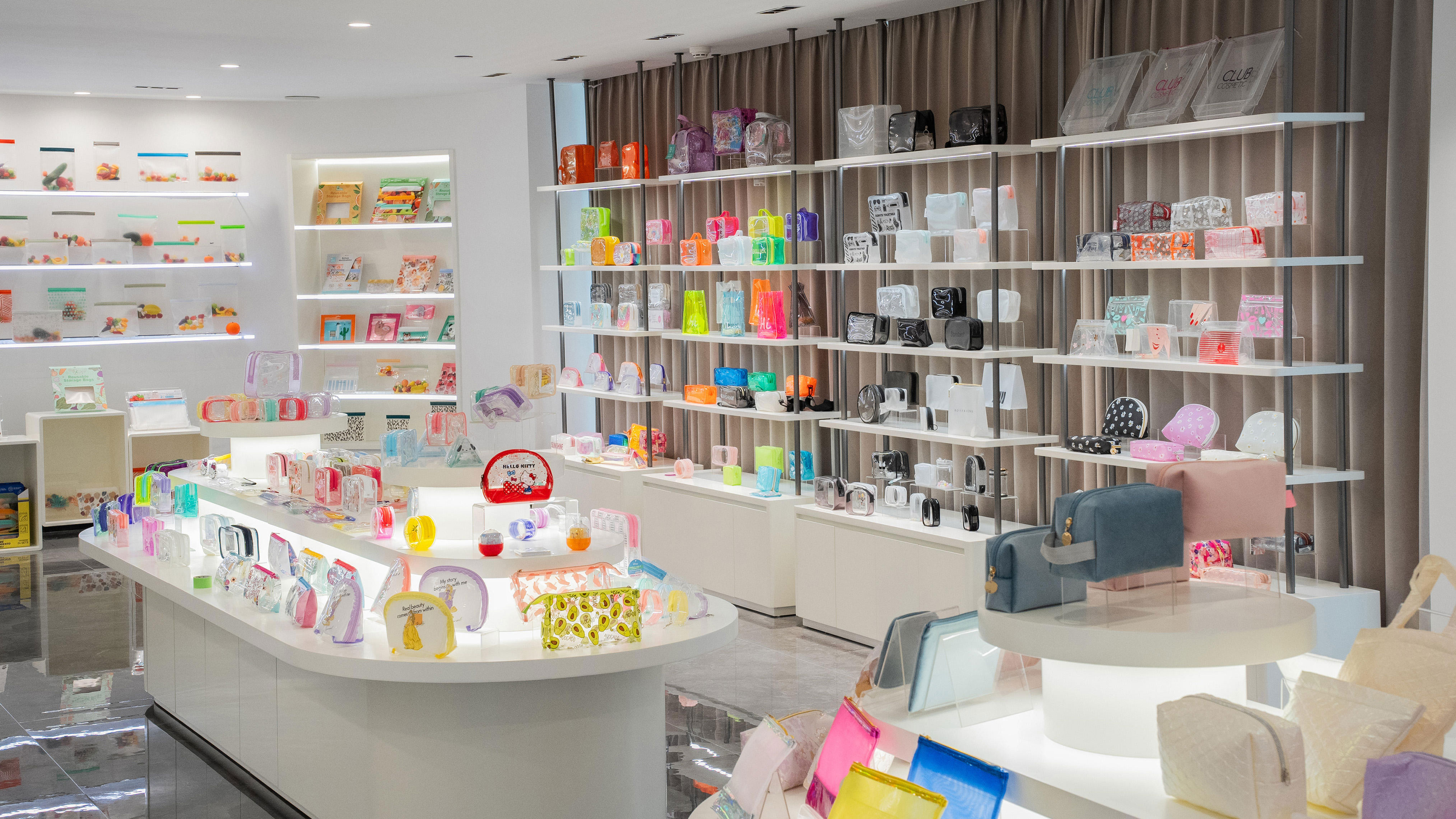
The people accepting a delivery may not have participated in the sample conversation. Provide them with the current product reference, variant list, packing information and the checks they are responsible for. Make clear which characteristics are controlled by measurements, which by a physical reference and which by an agreed inspection method.
If a difference is found, record the product and delivery identification before deciding what it means. A packing error, an artwork-version error and a construction difference need different discussions. Clear evidence helps the manufacturer investigate the relevant issue without requiring the buyer to repeat the entire development history. It also makes a repeat order easier to define when a new employee takes over the project.
Can a manufacturer quote from a photograph? A photograph can support an initial discussion, but a meaningful custom proposal needs dimensions, materials, construction, decoration and quantity information. Treat an early estimate as conditional until the specification has been clarified. Hidden details and unconfirmed components can materially affect the final product.
Does heavier material always make a better bag? No single material characteristic defines a better finished design. The suitable choice depends on the intended contents, construction, carrying method and appearance. Evaluate the assembled sample and the requirements that matter to the user instead of using material weight as a complete quality score.
Is a digital artwork proof enough for production approval? It can confirm layout and version information, but it does not establish all physical characteristics of the decorated bag. Decide which aspects need a physical sample and record them. Construction approval, material approval and artwork approval can be connected while remaining distinct decisions.
What should be included in a first custom enquiry? Provide the intended use, reference views, labelled dimensions, preferred material, closure and handle arrangement, artwork information, order mix and packing needs. Add any evidence requirements that affect the market or customer. This gives the manufacturer a practical basis for identifying the remaining questions.
Zhejiang Hansun's published bag range includes canvas bags, transparent PVC bags, cosmetic bags and other storage and carrying designs. Use the relevant product examples to explain your preferred construction and appearance, then provide the details that make your own project different. Confirm material, decoration and component options for the selected design rather than treating the whole range as one specification.
A useful next step is a single design brief with reference views, measurement instructions, material preferences, artwork, quantity breakdown and a sample review checklist. Keep the approved physical sample connected to that brief as the project develops. The result is a clearer conversation, a more comparable quotation and a practical reference for production and receiving inspection.
This website uses cookies to ensure you get the best experience on our website.

 Español
 Português
 日本語
 العربية



 Phone
Comment
(0)