

cotton bag sourcing often begins with a photograph and a short description such as soft canvas, natural fabric or washable tote. Those words can help start a conversation, but they do not define the finished bag that a buyer will receive. Fabric construction, colour, decoration, lining, handles and accessories all contribute to how a sample looks and responds to care. A sensible comparison therefore examines the complete proposed product and the instructions that would accompany it. This guide explains how to organize that review without inferring fibre content, washing performance or environmental credentials from appearance alone, and without treating a single successful sample as evidence for every variation.
Hansun's product images show fabric bag designs as well as other bag and pouch categories. The examples here illustrate visible shapes, colours, pockets and strap arrangements; photographs do not independently establish their fibre percentages or care limits. A buyer discussing a cotton bag should ask for the composition and construction of the exact proposed item, including components that differ from the body fabric. The aim is a clear enquiry and a defensible sample decision. Specific composition claims, performance limits and care wording should come from supporting product information and relevant evaluation, rather than from a generic buying guide or a familiar commercial fabric name.
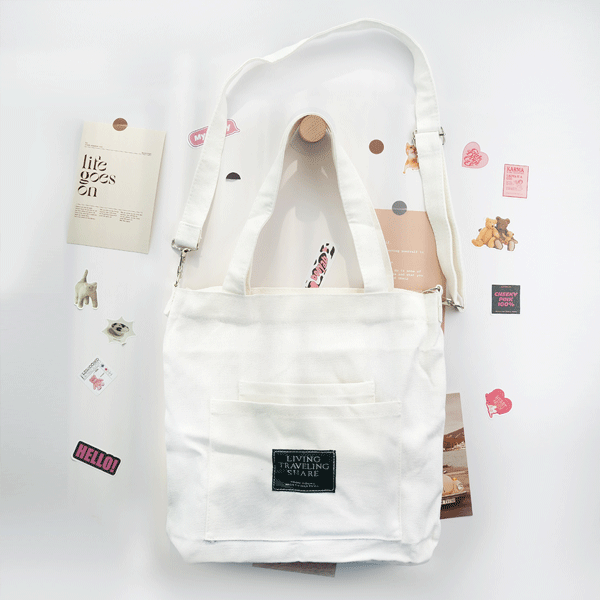
Describe how the bag will be used before deciding what good fabric means. A folded promotional tote, a retail accessory and a daily carry bag may call for different appearance, structure and care expectations. Record the intended contents, likely contact with clothing and the way the bag will be stored between uses. These are buyer requirements for discussion, not proof that any pictured design can meet them. Separate essential requirements from preferences so a supplier can identify tradeoffs. For example, a very compact folded presentation and a structured standing shape may point toward different constructions even when both products are described as cotton bags.
Ask the team responsible for customer communication what users will reasonably expect to do when the bag becomes dirty. Some buyers intend to provide only limited cleaning instructions; others want a product suitable for a defined washing routine. Do not let that decision emerge accidentally from a salesperson's informal phrase. Write the intended care scenario into the enquiry and ask whether the complete proposed construction supports it. If the supplier has not confirmed a suitable procedure, keep the scenario as an unresolved requirement. This prevents attractive fabric selection from becoming a promise that the finished product, including its decoration and accessories, has never been evaluated to support.
Request a component list for the proposed bag. Distinguish the outer body, lining if present, pocket fabric, handles, shoulder strap, thread, labels, closures and any hardware. A body described as cotton does not establish the same composition for every other component. Equally, a supplier may use a blend or a separate reinforcing material that needs to be identified before care instructions are settled. Keep the scope precise: a statement about one fabric should not become a claim about the entire finished item. If a component is optional, identify which version was included in the quotation and which version will appear in the approval sample.
Record construction terminology in a way that both buyer and supplier understand. A commercial name such as canvas may cover products with different weight, weave and finishing choices. Ask for the supplier's actual specification and sample reference instead of relying on the name alone. When the buying team receives a substitute proposal, compare the underlying description rather than accepting a familiar label as equivalent. The objective is not to demand every possible technical parameter. It is to capture the information necessary to identify the agreed fabric and recognize a meaningful change before it affects the appearance or care of the finished bag.
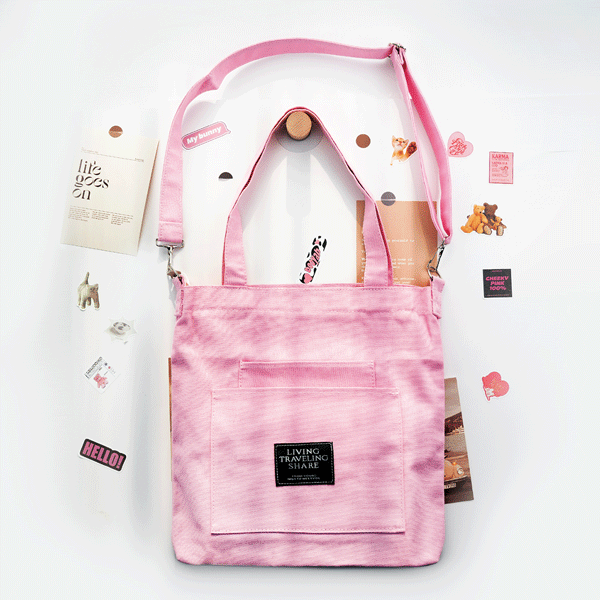
If fabric weight is specified, record its unit, the component to which it applies and the source of the value. Avoid mixing a supplier's nominal specification with a buyer's independent measurement without labelling them. A heavier stated fabric is not automatically the better choice for every project. It may change the folded volume, drape, structure or overall bag weight in ways that matter to the intended use. Compare these consequences on physical samples. Do not infer a carrying limit from fabric weight alone; the completed design, seams, handles and other construction details also require their own appropriate evaluation against the buyer's requirements.
When two quotations use different units or incomplete descriptions, resolve the ambiguity before making a price comparison. Ask the supplier to restate the proposal on a common basis and retain the original value for traceability. If a parameter cannot be confirmed, mark it as pending rather than filling the gap with a number from a similar product online. A useful comparison sheet may contain fewer values than a marketing specification, but every value should have a defined meaning. That discipline is especially helpful when the purchasing team revisits a project months later and needs to determine whether a repeat offer describes the same agreed construction.
Place samples under the same viewing conditions and compare visible texture, openness, surface irregularities and drape. Describe observations with neutral language. A visible fleck, crease or textured yarn may be acceptable for one design and undesirable for another, but the preference should be linked to the intended product. Do not identify fibre composition by touch or appearance. Ask for supporting information where composition is a purchasing requirement. Keep the assessment of visual character separate from claims about strength, durability or care performance, which need evidence appropriate to those claims. This allows design preferences to be discussed clearly without presenting subjective impressions as technical test results.
Compare flat swatches and finished bags for different reasons. A swatch makes the fabric surface easier to inspect, while a completed sample reveals how that fabric behaves in the chosen seams, pockets and strap arrangement. The two should share a traceable reference if they are being used to approve the same proposal. An excellent swatch does not prove that every finished construction is suitable. Conversely, a pleasing finished sample can hide an undocumented fabric substitution. Retain the relationship between them so a later discussion about colour, print appearance or care can be tied to the actual material and assembly that the buyer reviewed.
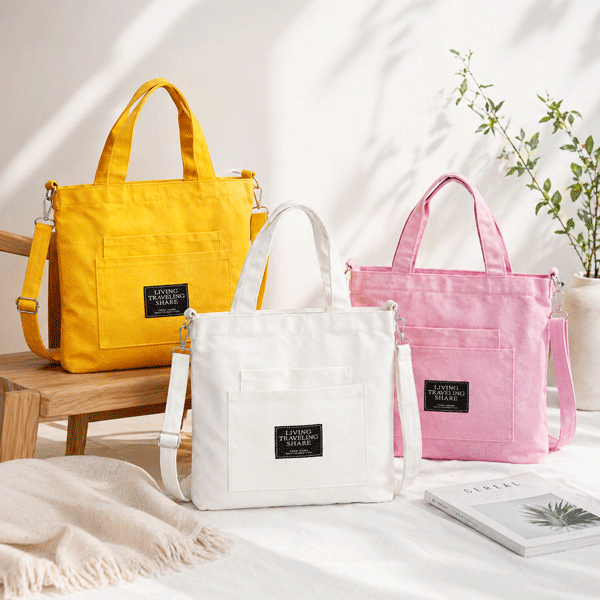
Use an agreed physical colour reference or another method accepted by both parties, and state how it will be assessed. Photographs and screens can support communication, but their appearance depends on lighting and display conditions. Natural-looking shades can also be misunderstood when a name such as ivory or cream is used without a reference. Where colour consistency matters, ask what comparison and acceptance approach is available for the exact material. Do not create a numerical tolerance casually or borrow one from another project. The buyer and supplier should agree a meaningful criterion that suits the product, the intended presentation and the evidence they can actually evaluate.
Keep colour approval connected to the finished design. A lining, binding, handle or printed panel may appear different beside the body fabric even when each component looks acceptable in isolation. Review the combination and identify which differences are intentional. If multiple colourways are planned, confirm whether each uses the same underlying material and finishing process. A result observed on a light sample should not automatically be transferred to a dark version or a different decoration. This is a reason to define representative sample coverage, not a claim that a particular colour will fail. Record what has been reviewed and what remains to be checked.
Printing, embroidery, labels and applied decoration can change the care questions even when the body fabric is unchanged. Ask which decoration method is proposed for the artwork and material under discussion, and request a decorated sample when appearance after care is important. A blank fabric sample cannot establish the behaviour of the final print or accessory. Keep the artwork version, placement reference and decoration details with the sample record. This avoids a common gap in which one team approves the fabric while another approves the graphic, but nobody checks the finished combination that will actually be delivered to the end user.
Look at the decoration before and after any agreed evaluation using the same observation conditions. Note changes in legibility, appearance, attachment or surface condition without asserting a cause that has not been established. If a concern appears, share the sample reference and the exact care procedure used with the supplier. Do not resolve it by silently lowering the intended instructions or substituting a decoration method that has not been quoted and approved. The review should produce either a confirmed construction and supported wording or a visible list of open decisions. That is more useful than a broad statement that all printed cotton bags are easy to maintain.
A care scenario needs more detail than the word washable. Agree who will evaluate the sample, what procedure will be followed, which components are included and what observations will determine whether the result is acceptable. Use the supplier's supported instructions and appropriate professional evaluation where necessary. This guide does not prescribe a universal temperature, detergent, drying method or number of cycles for every bag. Those choices depend on the actual construction and the claim being considered. A buyer should not publish an attractive care instruction simply because a similar-looking product elsewhere uses it. Confirm the procedure for the product that is actually being ordered.

Document the sample's initial condition before the evaluation. Identify the item, artwork version, relevant dimensions and visible features that will be reviewed afterwards. Keep an unevaluated comparison sample where practical. Record the procedure actually followed, including departures from the agreed plan, rather than recording only a pass or fail. A result with uncertain conditions may still reveal an issue, but it cannot fairly establish performance under a procedure that was not followed. Clear records also help the supplier distinguish between a design concern, a material difference and a misunderstanding about the proposed care instructions, without assuming the cause from a single photograph.
Choose consistent reference points when measuring a sample before and after a care evaluation. Bag width, height, pocket position and handle drop describe different aspects of the finished item; do not collapse them into one vague statement that the bag changed size. Record how the item was positioned and what condition it was in when measured. The method and acceptance criteria should be appropriate to the project and agreed in advance. If a change is observed, report the actual comparison rather than inventing a general shrinkage percentage for a whole material category. Keep observed sample behaviour separate from a declared specification or a future production commitment.
Appearance deserves a separate review alongside dimensions. Note whether the shape, drape, seams, decoration and accessories remain suitable for the intended presentation. Some changes may be acceptable under a deliberately relaxed aesthetic while others undermine a product designed to look structured. The purchasing team should decide this explicitly instead of treating every visible difference as either harmless or unacceptable by default. A useful approval record explains why the sample remains suitable, or identifies what must be revised. That decision should refer to the agreed use and supported care scenario, not to a claim that all natural fibres behave in a single predictable way.
A cotton description does not by itself prove organic origin, recycled content, biodegradability or a lower environmental impact. If any of these attributes is essential, request evidence relevant to the exact product and proposed claim. Verify its scope before approving customer-facing wording. A supplier's general business statement or a photograph of a certificate may not establish that a particular bag order is covered. This article makes no such claim for the illustrated designs. Keep substantiated attributes separate from visual preferences such as a natural colour or an uncoated appearance, which do not provide evidence of a supply-chain or environmental qualification.
Decide which claims will actually appear on labels, packaging and sales materials. Review them together with the commercial and product teams so that an informal phrase in the enquiry does not expand into a public promise. When evidence is incomplete, remove or hold the unsupported claim while continuing the rest of the sample review where possible. This does not require abandoning a useful fabric design. It means the product can be evaluated on confirmed construction and appearance while separate qualifications remain unresolved. A disciplined buyer can compare samples effectively without asking the supplier to endorse language that neither party has yet supported.

Once the desired construction is clearer, send the same component description, sample reference and care expectations to each party involved in the comparison. Ask suppliers to identify deviations explicitly. A lower quote may describe a different fabric, decoration or accessory arrangement, while a higher one may include requirements that were never requested. Resolve those differences before drawing a conclusion about value. Do not invent a market price or assume that a specific cost difference proves quality. The comparison should explain what is included, what has been evaluated and what still needs confirmation for the exact order quantity and product version under discussion.
Keep commercial details such as order quantity, packing, delivery basis and sample responsibilities alongside the technical scope, but label them separately. A material change proposed to meet a price target should return to the appropriate approval step rather than being accepted only in the quotation sheet. Equally, a revised care requirement may change the construction that the supplier can offer. Make those dependencies visible. The goal is a coherent offer for one identifiable product, not a collection of favourable statements taken from several incompatible options. This gives the buyer a more reliable basis for deciding whether a proposal fits the project and its customer communication.
Retain the approved finished sample, linked material description, decoration reference and final care wording according to the buyer's document process. Give the set a version that can be cited in the purchase order and later correspondence. A folder of unlabelled photographs is difficult to use when a new employee or supplier representative joins the project. State which sample is the commercial reference and which earlier samples remain for comparison only. If an approved bag is subsequently evaluated under a different care procedure, keep that observation separate until the relevant people decide whether the product instructions or specification should change.
For a repeat order, ask whether the proposed material, finishing, decoration or component supply has changed. A familiar product name does not prove an identical construction. Review any proposed substitution against the approved set and determine whether another sample or evaluation is needed. Do not restart every test automatically when nothing relevant has changed, but do not waive review simply because the order is called a repeat. The useful question is whether the existing evidence still applies to the proposed product. That approach supports continuity while keeping a clear path for necessary changes instead of allowing undocumented substitutions to become the new default.
Before final approval, ask someone who was not involved in development to read the proposed care wording beside the finished bag. Have them explain what actions the wording permits and what remains unclear. This is a communication check, not an additional performance test. Terms that seem obvious to the sourcing team can be ambiguous to a customer, especially when the bag has detachable straps or decorative accessories. Resolve those ambiguities with the supplier before producing labels. If instructions will be translated, preserve the approved meaning and have the relevant language reviewed independently; a fluent translation cannot make an unsupported procedure suitable. Keep the final wording version linked to the product reference so packaging, online descriptions and sales staff all use the same confirmed instruction.

Can fibre composition be confirmed from the sample photograph? No. A photograph can help identify visible design features, but it cannot reliably establish fibre percentages or the composition of hidden components. Request a clear declaration for the relevant materials and supporting evidence appropriate to the purchasing requirement. If the supplier describes the outer fabric as cotton, clarify whether the statement covers only that fabric or the whole finished product. Keep the scope intact when writing the specification and customer description. This avoids converting a limited material statement into a broader claim that nobody has actually made or verified for the exact bag being ordered.
Is a heavier fabric always more durable? Weight alone does not answer how a completed bag will perform in its intended use. Construction, seams, handles, decoration and other details also matter. Compare representative finished samples against defined requirements, and use suitable evaluation when a performance claim is important. A heavier proposal may offer a different structure while also affecting folding and handling. The right choice is the one that meets the agreed product brief with appropriate evidence. Avoid turning an easily compared number into a substitute for reviewing the assembled item, particularly when the proposed bag includes components that differ from the main body fabric.
Can care instructions from a blank tote be used on a decorated version? They should not be transferred automatically. Decoration and accessories can introduce different considerations, so the supported instructions need to apply to the finished construction. Identify the method, artwork and components that were included in the relevant evaluation. If the decorated sample has not been reviewed, keep its care wording pending or obtain confirmation supported by appropriate evidence. This is especially important when a project changes late in development, because a small visible addition can make an earlier blank-sample approval incomplete for the product that the customer will ultimately receive.
What should a buyer do when a sample changes after care? Preserve the sample and record the procedure, initial condition and specific observations. Compare the result with the agreed criteria and share the evidence with the supplier. Avoid asserting a manufacturing cause before it has been investigated. Possible next steps include clarifying the procedure, reviewing a component, revising the design or obtaining another representative evaluation, depending on the evidence. Keep responsibility for approval clear so a concern is not lost between purchasing and design. A documented unresolved result is more useful than an unsupported reassurance that the next batch will behave differently.
A useful cotton bag enquiry brings together the intended use, component description, visual reference, decoration and supported care expectations. Send Hansun those requirements as a coherent brief and ask which proposed construction can be sampled and documented for them. Keep visual observations, supplier declarations and evaluation results distinct throughout the review. Once the product is approved, preserve the reference set and check meaningful changes on reorders. This creates a practical basis for purchasing and customer communication: the buyer can explain what was selected, what evidence supports it and which statements remain outside the confirmed scope of the finished bag.
This website uses cookies to ensure you get the best experience on our website.

 Español
 Português
 日本語
 العربية



 Phone
Comment
(0)