

cotton bag sourcing begins with a clear description of how the bag will be used. A flat promotional tote, a lined everyday carry bag and a compact pouch can share a material description while needing different dimensions, handles, seams and print arrangements. Before comparing quotations, define the article that the buyer expects to receive and the sample evidence that will support approval. This makes the discussion about a usable product rather than an attractive image alone.
The checklist below helps purchasing teams organize fabric, construction, artwork, sampling and delivery decisions for a custom bag order. It does not assign an unverified fabric composition or performance rating to a photograph. Material claims, test requirements and order-specific commitments should be confirmed for the exact product proposed, while general design questions can be resolved through drawings and representative samples.
Describe the intended contents, their size and how the bag will normally be carried. A bag intended for folded clothing has a different practical brief from one intended for bottles, documents or small accessories. If the contents have corners, projecting parts or surfaces that need protection, explain those details rather than assuming that a supplier can infer them from the requested bag dimensions.
Identify the setting as well: retail handover, event distribution, daily carrying or product packaging. This helps explain which features matter to the buyer. It does not justify an unsupported claim about load capacity or service life. If a particular carrying requirement is important, turn it into a defined evaluation question for the sample. The supplier can then discuss the proposed construction and the evidence needed to support the intended use.
Provide a drawing showing finished width, height and any base or side gusset. Mark the opening, seams, handle positions and usable internal space. State whether a dimension is measured flat, opened or along a curved panel. Two quotations can appear to describe the same size while referring to different measurement points, so the drawing should make the reference method unambiguous.
Check the bag with the actual intended contents during sampling. A nominal outer width does not guarantee that an object fits through the opening or sits comfortably inside. Seams, linings, closures and the shape of the contents can affect usable space. If several sizes are needed, identify each variant separately and record which components change. This prevents a change in one size being silently applied to all variants without review.
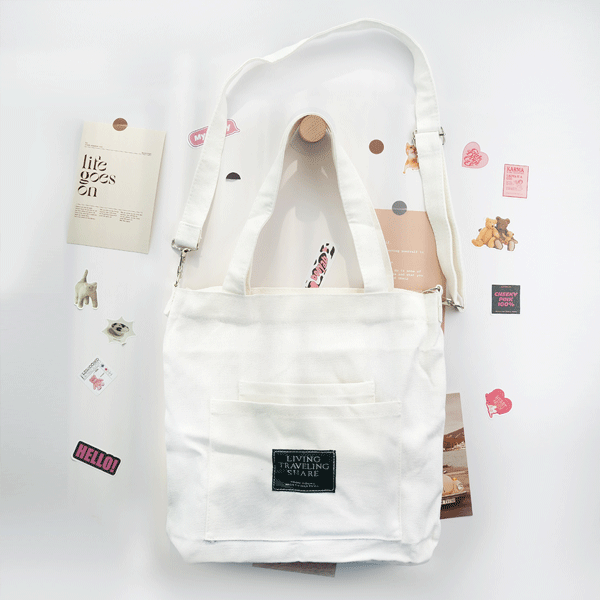
Use an exact fabric description when it is available. Cotton content, blend composition, weave and finish are separate attributes. The visual appearance of a woven bag cannot prove that it is cotton, and a natural colour does not establish an organic or recycled claim. Ask for the proposed material specification and review the evidence relevant to any composition or sourcing statement that will appear on the finished product.
Where the fabric has not yet been selected, state that it is a selection decision rather than filling the gap with a marketing label. Request swatches with identifiable references so that the approved choice can be linked to the order. If the supplier offers an alternative, compare it against the same intended use and construction requirements. A visually similar fabric may still need a separate review of handling, print appearance and other agreed characteristics.
Fabric weight can help describe a material, but it should not be treated as a complete durability specification. Weave, yarn, finishing, seam design and handle attachment also influence how the finished bag behaves. Ask the supplier to identify the units used for weight and to confirm that the figure refers to the selected fabric. Avoid comparing numbers expressed on different bases without converting and checking their meaning.
Evaluate swatches and finished samples together. A fabric that feels suitable as a flat piece may drape differently once cut and sewn. A heavier-looking sample may also differ in stiffness or surface texture from what the buyer wants. The useful purchasing question is whether the selected material and construction suit the intended article. Record that decision against the actual sample reference instead of relying on a general description such as thick, premium or heavy duty.
Show handle length, width, position and attachment on the drawing. Distinguish the full handle length from the usable drop, and explain how the buyer intends the bag to be carried. Hand carrying, shoulder carrying and an adjustable strap are different design choices. If a long strap or separate fittings are proposed, identify them as individual components in the sample and quotation.
Review handle comfort with representative contents. Check clearance at the opening and whether the attachment interferes with internal pockets or the planned print area. These observations should support a construction discussion, not become an invented load rating. Any formal strength requirement needs an agreed method and acceptance criteria for the exact article. Photographs showing someone holding a bag are useful for illustrating style, but they are not evidence of a verified carrying limit.
A flat bag and a bag with a shaped base can have similar outer dimensions but behave differently when filled. Describe whether the design needs a gusset, a boxed base, a lining or another structure. Use a sample or drawing to show the intended form. This is particularly helpful when the bag must hold a product upright or present neatly during retail handover.
Ask how the proposed construction affects folding, packing and the visible finish. Extra components may change the shape, usable space and production process, so they should not be treated as a minor note added after the sample is approved. Review the whole article after any structural change. The final brief should describe the bag that will be supplied, including features that are hidden in a front-facing product photograph.
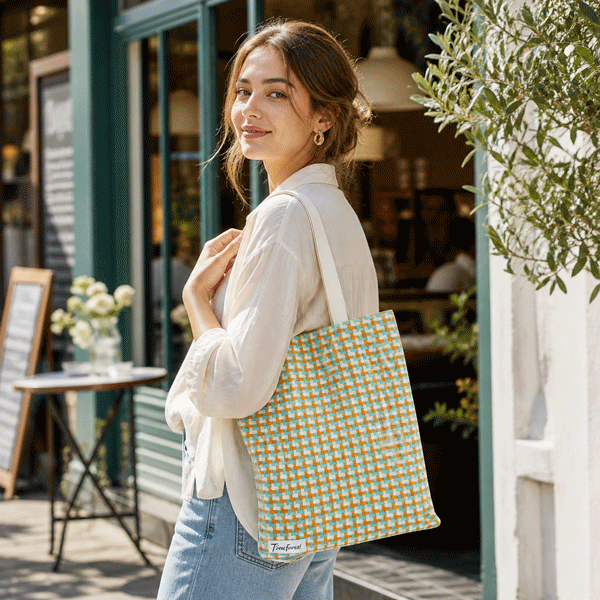
Mark each pocket's location, opening and finished dimensions. State what it needs to hold, and check that the item can be inserted and removed comfortably. If a closure is required, identify the proposed type and its relationship to the bag opening. A zip, snap, drawcord and open top create different user experiences and should not be substituted simply because they occupy a similar position on a drawing.
During sampling, check access with the handles and straps in their normal positions. Also inspect whether pocket construction reduces the main compartment or affects the front print area. A feature that works on an empty sample may be inconvenient with the intended contents in place. Record the observations and required changes clearly, so that approval refers to the revised construction rather than an earlier sample that no longer matches the order.
Choose how fabric colour will be communicated and approved. A screen image is useful for discussion but may not be a reliable final colour reference. Ask what physical swatch or other agreed reference will control the selection, and keep it identified with the sample record. If handles, lining or fittings use different materials, approve their colours separately where the visual relationship matters.
Discuss acceptable variation before production rather than waiting for the shipment. Different materials and surfaces can show colour differently, and the buyer should agree how the finished article will be assessed. Avoid promising an exact match from a digital image alone. If a coordinated set is important, review the components together under the agreed conditions and record the final decision in one approval package.
Supply artwork in the format requested by the supplier and include the intended print dimensions and placement. Identify the front and back of the bag, the orientation and the distance from meaningful reference points such as seams or the opening. A logo file without placement information leaves important design decisions unresolved, even if the image itself is clear.
Keep text, spelling and approved brand assets under the buyer's control. Ask for a proof showing the artwork on the proposed bag drawing, then review a representative printed sample where that is part of the agreed approval process. Permission to use a logo should come from the relevant rights holder; a design displayed in a supplier's showroom does not establish permission for another buyer to reproduce that design or brand.
Discuss the artwork, fabric surface, colour arrangement and desired appearance with the supplier before choosing a printing method. Fine details, large coverage and multicolour designs may raise different production questions. Ask what method is being proposed and what limitations or sample checks are relevant to that combination, rather than assuming that one method is suitable for every cotton bag.
Review the print on the selected fabric. The same artwork can look different on another texture or colour, so a proof on unrelated material may not answer the final appearance question. If the buyer needs a particular evaluation of rubbing, washing or another characteristic, define it with appropriate technical input. Do not assign a general permanence claim to an image or transfer a test result from a different printed article.
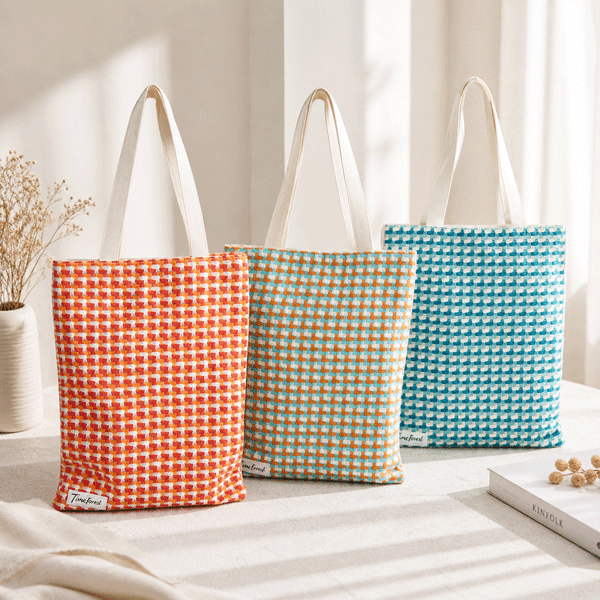
Claims such as organic, recycled, certified or environmentally preferable require more than an appearance or a broad product category. Identify the exact statement the buyer wants to make, the product to which it applies and the documentation needed to support it. Review that information for the actual order before putting a claim on a hangtag, product page or shipping document.
If the evidence is not available, use a factual material description that can be supported and keep the claim out of the finished copy. A reusable design does not by itself prove a particular environmental outcome, which can depend on how it is made and used. This checklist therefore treats sourcing statements as separate approval items instead of treating a cotton appearance or a supplier photograph as a substitute for documentation.
Send the same brief to every supplier being compared. Include the drawing revision, fabric reference, colour, handles, pockets, closure, artwork, packing and requested quantities. Ask the supplier to identify any proposed alternative rather than silently changing a component to reach a different price. The purpose is to make the differences visible before the buyer compares the totals.
Break out optional features and unresolved choices. A quote for an unlined bag should not be treated as directly comparable with one that includes lining, internal pockets and a different handle construction. Likewise, distinguish sample arrangements from the production order. Prices and quantities must come from the actual quotation; this guide provides no assumed minimum order, unit price or delivery promise for a particular Hansun product.
Agree what each sample is meant to confirm. An initial construction sample may help review shape and dimensions, while a later sample may incorporate the selected fabric, fittings and artwork. The names used for sample stages can vary, so define their contents and approval purpose rather than relying on a label alone. Record any differences from the proposed production article.
When a sample arrives, compare it with the same drawing and component list sent with the enquiry. Gather feedback from the people responsible for product use, artwork and purchasing, then consolidate it into one decision. Conflicting comments spread across separate messages can lead to an ambiguous revision. A single marked review makes it easier to understand what has been accepted and what needs to change before the next stage.
Review dimensions, shape, seams, handle attachment, pockets, closures, print placement and visible cleanliness as separate items. Use the intended contents to check practical access and carrying style. Take photographs to explain observations, but retain the physical sample when texture, colour or construction details are important. A photograph alone may hide a seam detail or distort the colour relationship that the buyer is trying to approve.
Distinguish a preference from a defect against the agreed specification. If the buyer changes the design after seeing the sample, record it as a revision rather than treating the earlier brief as unchanged. This helps both parties discuss any effect on cost, timing or the next sample. Approval should be tied to the final combination of drawing, components and sample, not a general statement that the bag looks acceptable.

Decide which characteristics will be checked during production and before shipment, and agree who is responsible. The plan should identify the product variants and the criteria relevant to the order. If a formal sampling or testing approach is required, use an appropriate agreed method; do not assume that a general statement such as quality checked defines the coverage or acceptance threshold.
Make important visual references available to the inspection team. They may need the approved sample, artwork proof, colour reference and packing specification as well as the measurement sheet. Record how discrepancies will be reviewed and communicated. This creates a practical route for resolving a problem without assuming that every difference can be judged from a brief video or that approval of one early sample replaces later order checks.
Explain how the bags will be handled after delivery. Retail presentation, direct distribution and further packing by another facility may need different folding, grouping and label arrangements. State the required count per pack or carton when known, and ask the supplier to confirm the proposed arrangement. Do not leave folding and packing until the end if they affect print appearance or the buyer's receiving process.
List the information required on labels and carton marks, and identify who approves it. Check variant identification so that different sizes or colours can be received without opening every package. Any destination-specific or customer-specific requirement should be reviewed for the actual order. A generic packing description is a starting point for discussion, not evidence that every market, retailer or transport requirement has been satisfied.
Before agreeing a schedule, identify the decisions that must be complete: material selection, artwork, sample approval, quantities and packing. Ask the supplier which milestones control the proposed production timing and what happens if the buyer changes a component. This is more useful than attaching a date to an enquiry that still contains major unresolved design choices.
Keep production, dispatch and delivery as separate milestones. Their responsibilities and assumptions should be confirmed in the actual commercial agreement. This checklist does not state a fixed turnaround time for cotton bags or imply that a sample date guarantees a shipment date. A purchasing team can reduce avoidable delay by approving a complete brief promptly, while still asking for clear written confirmation of the order-specific schedule.
A repeat order should refer to the approved article and its component references rather than a vague request for the same bag. Keep the final drawing, artwork, fabric and colour references, sample approval, packing instructions and relevant inspection criteria together. Note any permitted changes and whether a revised sample is required before the next production run.
Review substitutions explicitly. A replacement fabric or fitting may be offered because the original component is no longer available, but it should not automatically inherit the old approval. Compare the proposed change against the intended use, appearance and agreed criteria. Maintaining this connection between the order and its evidence helps preserve continuity even when the purchasing team or supplier contact changes between production runs.

A bag order may involve purchasing, marketing, product development and a receiving or quality team. Identify which person approves dimensions and fit, which person checks artwork and which person authorizes the commercial order. One contact can coordinate the discussion, but the final approval package should show that the relevant decisions have been collected. This avoids a print proof being treated as approval of construction or a price acceptance being interpreted as approval of every visual detail.
Use a structured comment list when several people review the same sample. Give each observation a reference, describe the requested result and identify whether it changes the drawing, component list or artwork. Ask the supplier to respond against the same list. Once the changes are agreed, issue a revised consolidated brief so that production is not expected to reconcile separate and potentially contradictory messages.
Keep a clear boundary between a sample that can be used for discussion and a sample approved for production. Label retained samples with the relevant version and date, and record any remaining exceptions. If approval is conditional, state the condition directly and identify the evidence needed to close it. This makes the decision practical for both the buyer and the supplier without relying on a general expression of satisfaction that leaves important details unresolved.
Before placing a large order, consider how the buyer will count, identify and store the delivered variants. A useful bag can still create avoidable receiving work if sizes, colours or artwork versions are mixed without clear identification. Agree the packing list structure and carton marks against the order's variant list. Review them together with the physical packing arrangement rather than treating the paperwork as an unrelated final step.
If bags will be supplied to several destinations, identify the allocation before packing approval. Confirm who checks the destination quantities and how later changes will be controlled. The exact delivery and transport terms belong in the commercial agreement. The sourcing checklist's role is to ensure that the article, its packaging and the buyer's receiving expectations describe the same order.
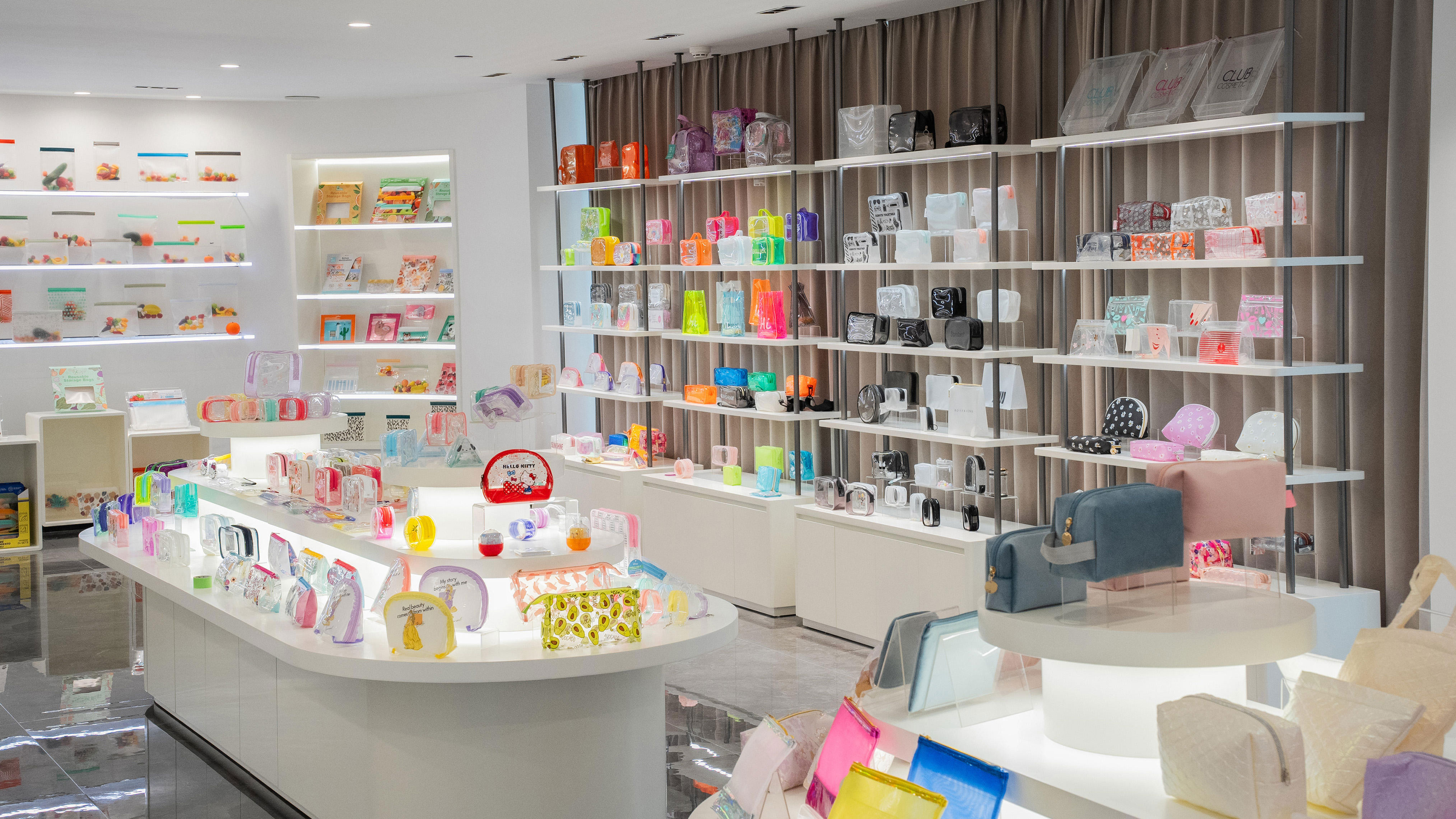
No. Photographs can show colour, surface appearance and construction details, but they do not prove fibre composition or a certification claim. Request the proposed material specification and the supporting evidence needed for the intended product description. The images accompanying this guide illustrate bag designs and factory or showroom views; their appearance should not be used to assign an unverified cotton percentage, organic status or performance rating to a particular article.
The appropriate fabric depends on the intended article and construction. Weight is one description of a material, while weave, finishing, seams and handle attachment also matter. A heavier option may not provide the drape or folding behaviour the buyer wants. Compare representative finished samples against the agreed use and acceptance criteria, rather than treating the largest weight figure as an automatic measure of overall suitability.
Use the image to start a discussion, then convert the visible features into a drawing and component list. Identify what cannot be determined from the image, including internal construction, exact dimensions, material composition and print requirements. The supplier can help discuss possible arrangements, but the buyer should approve the final specification and sample. A reference image does not authorize copying another brand's protected artwork or establish that hidden features have been included.
Consider another sample when a change affects fit, construction, material, print appearance or another important approval criterion. The buyer and supplier should agree which changes require renewed review and document that decision. Small-looking changes can have consequences elsewhere in the design, such as a pocket affecting the main compartment or a different fabric altering the print result. Keep the final approval linked to the version actually ordered.
Send the intended use, a dimensioned drawing, the desired fabric reference or selection questions, colour, handles, closures, artwork, quantities and packing requirements. Add the sample and inspection questions that still need an answer. Hansun can then review the proposed bag against a concrete brief. Composition, available options, price, quantity and timing should be confirmed for that proposal, with the approved sample and written specification forming the basis of the order.
This website uses cookies to ensure you get the best experience on our website.

 Español
 Português
 日本語
 العربية



 Phone
Comment
(0)