

bag material selection is a purchasing decision about the whole product, rather than a choice of one familiar fabric name. The shell, lining, handles, closures, decoration and seams work together in the finished article. A photograph may help a buyer describe an appearance, but it cannot establish the exact composition or the suitability of every component. A useful brief connects the intended use to the sample and the information that must be confirmed before ordering.
This guide explains how to reduce specification gaps when sourcing custom carrying bags, fabric totes and transparent bags. It focuses on questions, samples and approval records that a buyer can discuss with a manufacturer. It does not assign unverified material grades, certifications or performance ratings to the products shown. Where a requirement matters to the order, the selected construction and the evidence supporting it need to be identified explicitly.
Describe what the bag will carry, including the shape, dimensions and typical combination of items. Explain whether rigid boxes, soft goods, bottles or small accessories are involved. A broad description such as promotional bag leaves important questions unanswered. The manufacturer needs to understand how the contents occupy the internal space and interact with the opening, handles and base before it can discuss an appropriate construction or prepare a meaningful sample for review.
Keep intended contents separate from unsupported load claims. If a carrying requirement is essential, state the actual use case and ask how it can be evaluated on the proposed finished sample. Do not infer a rating from the apparent thickness of a handle in a photograph. The review should concern the complete bag and agreed use, with any claimed result tied to identified components, a defined method and the supplier's supporting information.
Describe where and how the bag will be used. Retail presentation, event distribution, travel organization and repeated everyday carrying can create different priorities. Include whether the bag must fold for storage, stand for display or allow its contents to be seen. Rank the characteristics that matter to the purchase. Without that context, a supplier may propose a material that looks attractive while solving a different problem from the one the buyer intended.
Environmental exposure also needs a specific discussion. If moisture, abrasion, sunlight or contact with other surfaces matters, explain the expected conditions and ask what evidence is available for the selected construction. Avoid treating a general material category as a universal guarantee of resistance. Where the requirement is not yet defined, request a sample comparison or a documented clarification instead of replacing missing information with an adjective such as durable or waterproof.
A buyer may begin with a reference image showing a smooth surface, a natural-looking texture or a transparent panel. Use the image to describe those visible characteristics, then request the actual material specification. Similar appearances can result from different constructions. Record what the supplier confirms about the proposed shell and keep that information connected to a physical swatch or sample rather than assuming that the photograph establishes composition.
Where the reference belongs to another brand, use it only to communicate the relevant design objective and obtain any necessary rights for artwork that will actually be reproduced. Do not copy another company's logo or assume that a reference product's claims apply to the new order. A clear brief can describe shape, panel arrangement and desired appearance while leaving the manufacturer room to propose a construction that is independently specified and approved.
The shell specification should identify the material beyond a short catalogue name where the application requires more detail. Ask what information the supplier can provide about composition, construction, thickness or weight, surface finish and backing. Different measurements describe different characteristics, so keep their units and methods clear. Record unavailable information as a gap rather than inserting a value from a similar bag or a general internet material chart.
Distinguish a current production reference from an early proposal. A swatch presented during the enquiry may be replaced during sampling because availability, appearance or construction changes. If that happens, request a new identification and review the consequences for decoration, sewing and the finished appearance. The approval record should describe the material that will actually be used, with substitutions requiring a clear explanation and an appropriate level of renewed approval.
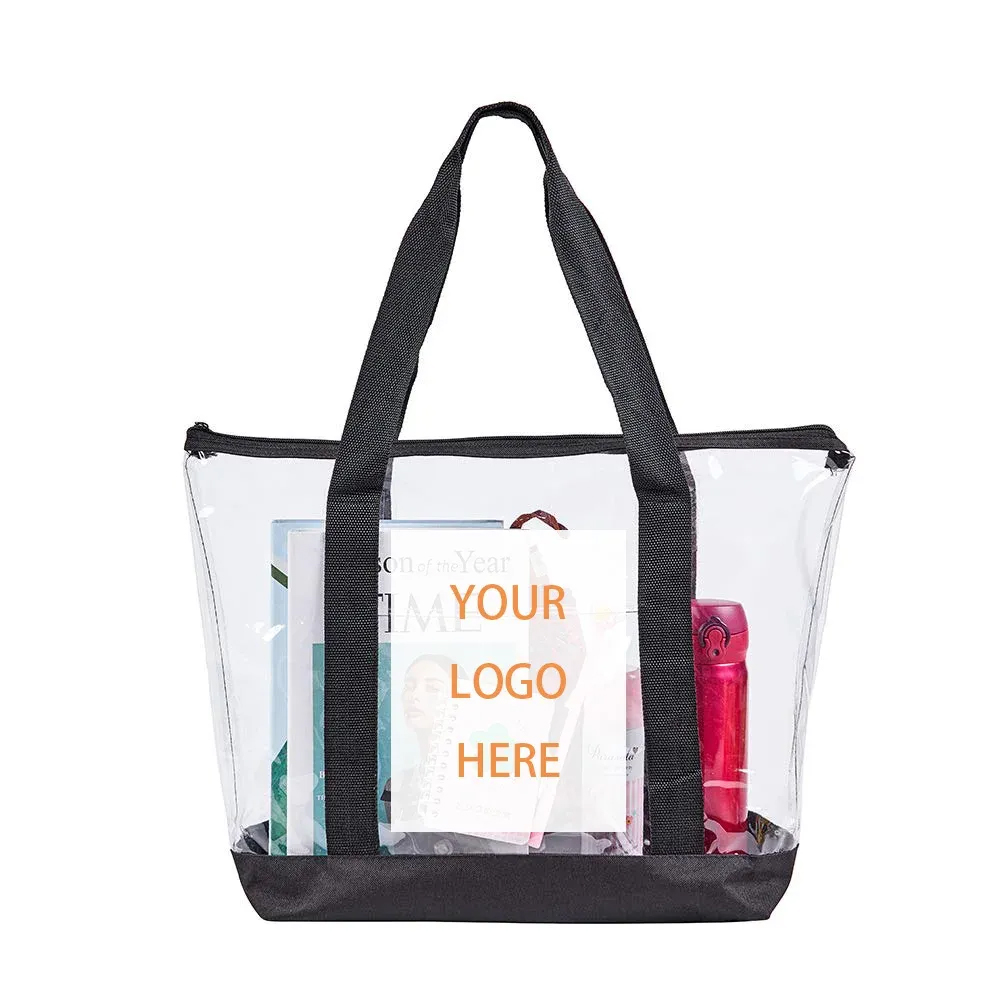
Transparent bags allow a buyer to discuss visibility, panel clarity and the presentation of contents, but a clear photograph does not establish the polymer type or its properties. Where a quotation identifies PVC or another material, record that identification and ask for the supporting specification relevant to the intended use. Check whether the sample includes different materials in the base, binding, handles or zipper area rather than treating the whole bag as one uniform sheet.
Inspect the actual sample under ordinary viewing conditions agreed by the parties. Discuss visible haze, surface marks, stiffness and the way seams or folds affect appearance, without turning these observations into unmeasured performance claims. If the destination or application requires particular documentation, identify that requirement before ordering and have it reviewed for the exact material and product. A generic category description cannot establish that the selected bag meets every possible market requirement.

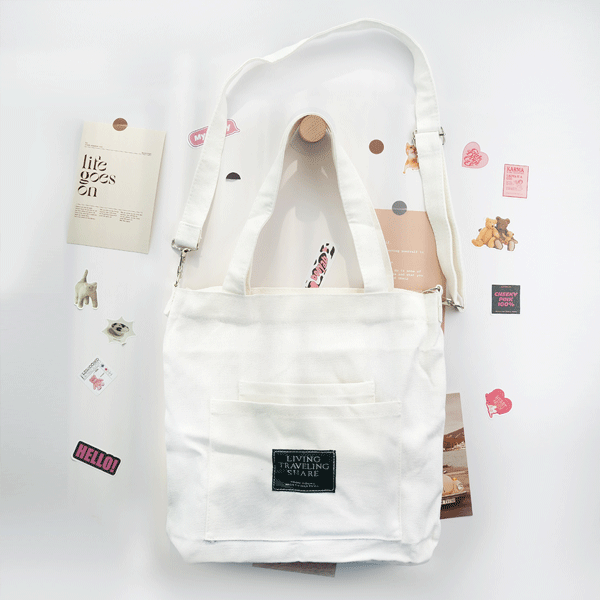
For a fabric tote, ask how the material is described and which details are controlled in the proposed sample. Composition, weave or knit construction, finish, weight and backing can influence the feel and behaviour of the finished bag. A casual label such as canvas may be useful in conversation while remaining insufficient for a controlled order. Request the information needed to distinguish the approved material from alternatives that look similar in a small photograph.
Avoid assigning an environmental or certification claim to a fabric because it has a natural colour or texture. If a claim is required for the product or its marketing, ask for evidence that applies to the exact proposed supply and have the claim reviewed separately. The bag can still be specified through its visible design and documented construction while those questions remain open. Appearance, material identity and substantiated claims are separate approval subjects.
Ask for identified swatches when comparing proposed materials. Keep each swatch associated with its supplier reference, colour and revision, and avoid relying on an unlabelled collection after several conversations. Review alternatives under consistent lighting and handling conditions. Screen images can help with remote communication, but differences in cameras, displays and illumination limit what they establish about colour, texture or transparency compared with the physical material.
Record what the comparison actually shows. One swatch may feel more flexible, another may hold a fold differently, and a third may show a different surface texture. Those observations can guide a sample discussion without proving that one is universally better. Connect the preference to the intended bag use and ask the supplier how the selected material will behave in the proposed panel, seam and decoration arrangement before approving it for production.
If the bag includes a lining, identify it as a separate component in the brief. Ask whether it has its own material, colour, finish and construction reference. Explain the function expected from it, such as covering internal seams or changing the presentation of contents. The lining should not disappear inside a shell-only material description, because a change to that component can alter the feel, internal space and appearance of the finished bag.
Review how the lining connects to openings, pockets and closures in the sample. A buyer should be able to distinguish a decorative preference from a construction concern that affects the intended use. If the manufacturer proposes leaving the bag unlined, request an explanation and compare the resulting sample against the same requirements. Approval should identify which arrangement was selected, rather than leaving two different constructions circulating under the same product title.
Handle material, dimensions, attachment and placement need their own specification. Explain how the bag is intended to be carried and whether a particular handle length or appearance is essential. Record the reference points used for measurements. Two bags can share the same body material while feeling different in use because the handles sit differently, have different flexibility or connect to the body through a different arrangement.
Ask the supplier to explain the proposed attachment and any supporting construction relevant to the intended contents. Review the complete sample instead of judging a handle alone. Photographs of an attachment can document appearance, but they do not establish an untested carrying rating. If the project requires a defined evaluation, agree its scope and evidence before using the result in an approval decision or in customer-facing product information.
Identify the closure required by the application and the components proposed for the sample. A zipper, snap, drawstring or open top changes how the bag is used and how material interfaces are constructed. If a zipper is selected, include the relevant opening arrangement and component references. Do not assume that a similar colour or visual shape makes a replacement equivalent to the closure reviewed during sampling.
Use the intended contents to assess access through the actual opening. A nominal bag width does not automatically describe the usable opening once binding, seams and closure components are included. Ask the manufacturer to show the relationship on the sample and keep the measurement method consistent. Where the design has several pockets or openings, identify them separately so that an answer about one feature is not incorrectly applied to another.
Discuss the intended artwork and decoration method while selecting the material, rather than after the bag construction has been approved. Provide the relevant design files and explain the desired placement, size and appearance. Ask which aspects need a sample on the actual selected material. A decoration result on a different colour, finish or substrate may provide background information without establishing the result that the buyer will receive on the ordered bag.
Agree how artwork revisions will be identified and who can approve them. Keep material approval and decoration approval connected but distinguish their scope. A buyer may approve the shell swatch while still reviewing print placement or a label detail. Record those states explicitly. This allows sampling to progress without an informal approval of one component being interpreted as approval of an unfinished design or an unreviewed production version.
Use a clear colour reference for each visible component where colour matters. The shell, handles, zipper tape, lining and printed artwork may require different references or comparison methods. Ask how the supplier proposes to confirm them and which physical sample will guide approval. A single colour name can be too broad to control the appearance of several different materials assembled into the same bag.
Discuss any expected variation through the proposed material and process rather than inventing a universal tolerance. If colour consistency between batches is important, request a documented agreement appropriate to the order and keep the approved reference available for reorders. Photographs can support the communication record, but they should not be treated as the sole evidence for a subtle colour decision that depends on illumination, material texture or surface reflection.

Specify the finished bag dimensions using a drawing or a consistently annotated sample. Distinguish the outside panel dimensions from usable internal space and from the opening. Include base or gusset dimensions where relevant, together with the point from which handle length is measured. A list of numbers without clear measurement points may allow two people to report different results for the same bag while each believes the specification is being followed.
Review the sample with representative contents and record observations that affect the intended use. This can reveal a gap between an attractive flat layout and the space needed for the actual items. If a dimension changes after that review, ask how the change affects other panels, handles, artwork and packing. Treat the revised design as a connected product rather than adjusting one isolated number without reviewing its consequences.
During sample review, examine visible seams, bindings, edges and transitions between materials. Describe concerns in terms of their location and observed appearance, supported by clear photographs if useful. Ask the manufacturer which construction is intended and whether the sample represents it. A photograph of one seam is not enough to establish an overall performance result, but it can provide a precise starting point for discussing a defect or a design preference.
Keep acceptance criteria proportionate to the application and distinguish appearance standards from functional evaluations. Where a seam or attachment requires testing, agree the method and reporting for the actual sample rather than adopting an unrelated claim from another product. Retain the approved sample and relevant construction information so that a later inspection can refer to the same baseline instead of relying on a remembered impression from an early development meeting.
If the buyer expects a particular cleaning method, discuss it before approving the material and decoration. Ask which instructions the supplier can support for the complete bag. A shell material may be only one part of the issue: handles, lining, labels, closures and printed areas can also affect the finished product's care requirements. Do not describe the bag as washable or easy to clean without defining what that statement means for the selected construction.
Explain how the bags will be stored before distribution and how they will be packed. Folding, stacking and contact between decorated surfaces can affect presentation, so include those conditions in the sample discussion where relevant. Request a review of the actual packing arrangement rather than assuming that a photographed display sample represents the condition of a bulk shipment after storage. Keep any resulting care or storage guidance tied to the supplier's confirmed information.
List any claims or documents that are essential to the project and identify who needs to assess them. A procurement team may need a composition statement, a relevant test report or other product-specific information. Ask whether the available evidence covers the proposed material, finished construction and intended market. The presence of a document in a media library or catalogue is not, by itself, proof that it applies to the bag being ordered.
Record document identity, scope and any unresolved applicability questions in the purchasing file. Do not replace missing evidence with a broad promise or assume that a different product's result transfers automatically. If the evidence is unavailable, decide whether the design, claim or purchasing requirement needs to change. This keeps the technical discussion honest and prevents an attractive marketing phrase from becoming an unsupported contractual expectation or product label.
Divide approval into clear subjects where that helps the project: materials, construction, dimensions, decoration and packing. State which sample or revision supports each decision. A development sample may be suitable for reviewing shape while remaining unsuitable as the final colour reference. Recording that limitation allows the team to use the sample productively without treating every feature it contains as approved for bulk production.
Before final approval, reconcile the stages into one current specification. Confirm which shell, lining, handle, closure and artwork references apply together. Mark superseded alternatives so that an old swatch or drawing does not remain an active instruction. The final approval should describe a coherent bag that can be checked against a real sample, rather than a collection of individually attractive components that were never reviewed as one finished construction.
Provide the same approved or proposed specification to each supplier involved in a comparison. Ask quotations to identify the material references, construction, decoration, packing and quantities they cover. Separate included components from options and unresolved details. A price difference may reflect a different shell, handle or packing arrangement rather than an equivalent offer, so resolve those differences before treating the figures as directly comparable purchasing evidence.
Avoid assuming an unconfirmed minimum quantity, delivery period or customization entitlement from a general website image. Request the actual commercial conditions for the specified bag. Keep those conditions connected to the technical version used for the quotation. If the design changes, ask whether the commercial proposal still applies. This prevents an earlier price or schedule from remaining in use after the material and construction assumptions behind it have been replaced.
Agree how proposed substitutions will be communicated. A change can concern an apparently small component while still affecting appearance, use or decoration. Ask the manufacturer to identify the reason, the replacement reference and the implications for the approved sample. Treat availability discussions as a reason to review the proposal, rather than as permission to replace a component without telling the buyer that the specification has changed.
Keep a revision record showing the accepted change and the evidence reviewed. Where a substitution requires a new swatch, sample or document, connect it to the order before approval. This does not mean that every change needs the same level of evaluation. It means that the people responsible can make a proportionate decision with the relevant information, instead of discovering an undocumented difference during inspection or after the bags reach their intended users.
Create an inspection checklist that refers to the approved specification and sample. Include the material identity, visible construction, dimensions, decoration and relevant functional observations. Define which features are checked on a finished bag and which are supported by component records or agreed documents. A checklist should help a reviewer make consistent decisions; it should not introduce new requirements that were never discussed with the manufacturer during development.
Review the packing arrangement using the same product version. State how variants are identified and how individual bags, inner packs and cartons relate to the order. If presentation after unpacking matters, include that expectation and request suitable sample evidence. Keep shipment organization separate from unsupported protection claims: a neat carton photograph does not establish how the product will perform under every transport or storage condition.
For a reorder, start from the last approved specification and ask whether its materials and components remain available as identified. Do not assume that a familiar product title guarantees the same construction. Review any proposed differences against the retained sample and the use requirements. If the buyer wants a deliberate change, issue a revised brief so that the manufacturer can distinguish a new instruction from a request to repeat the previous approved version.
Retain a compact purchasing file with the current drawing, material references, artwork revision, sample approval and packing information. Keep the record usable for the people who will place and review future orders, without collecting unrelated claims. This gives a material-selection discussion with Hansun a clear practical outcome: an identified finished bag and an evidence-based approval record that can be understood by both the buyer and the manufacturer when the order is repeated.
This website uses cookies to ensure you get the best experience on our website.

 Español
 Português
 日本語
 العربية



 Phone
Comment
(0)